Topic Battle

Where Everything Fights Everything

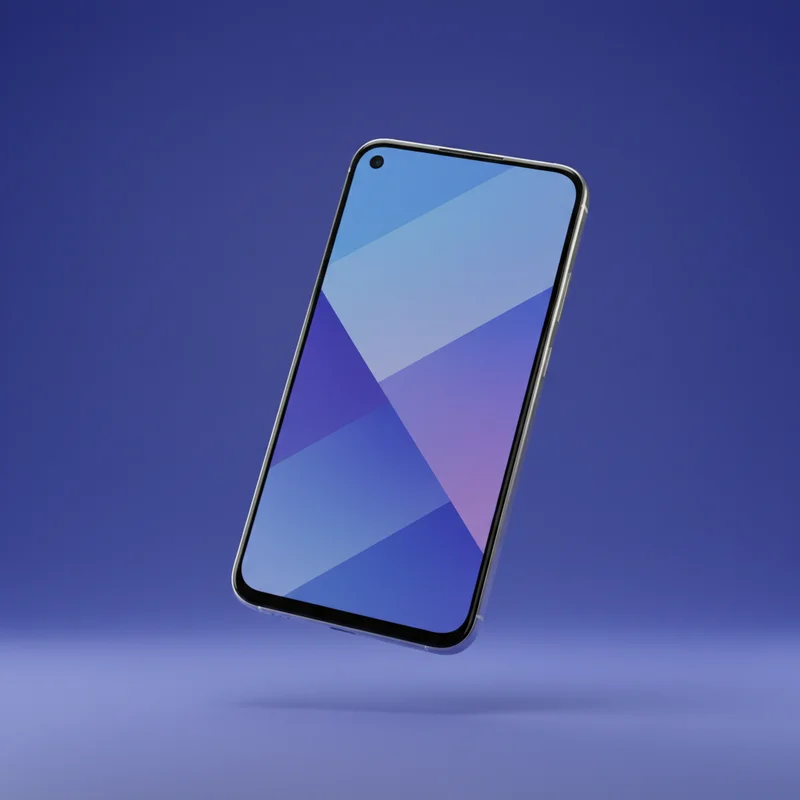
Android Phone

Android Phone

Google's mobile operating system powering billions of devices worldwide.

VS
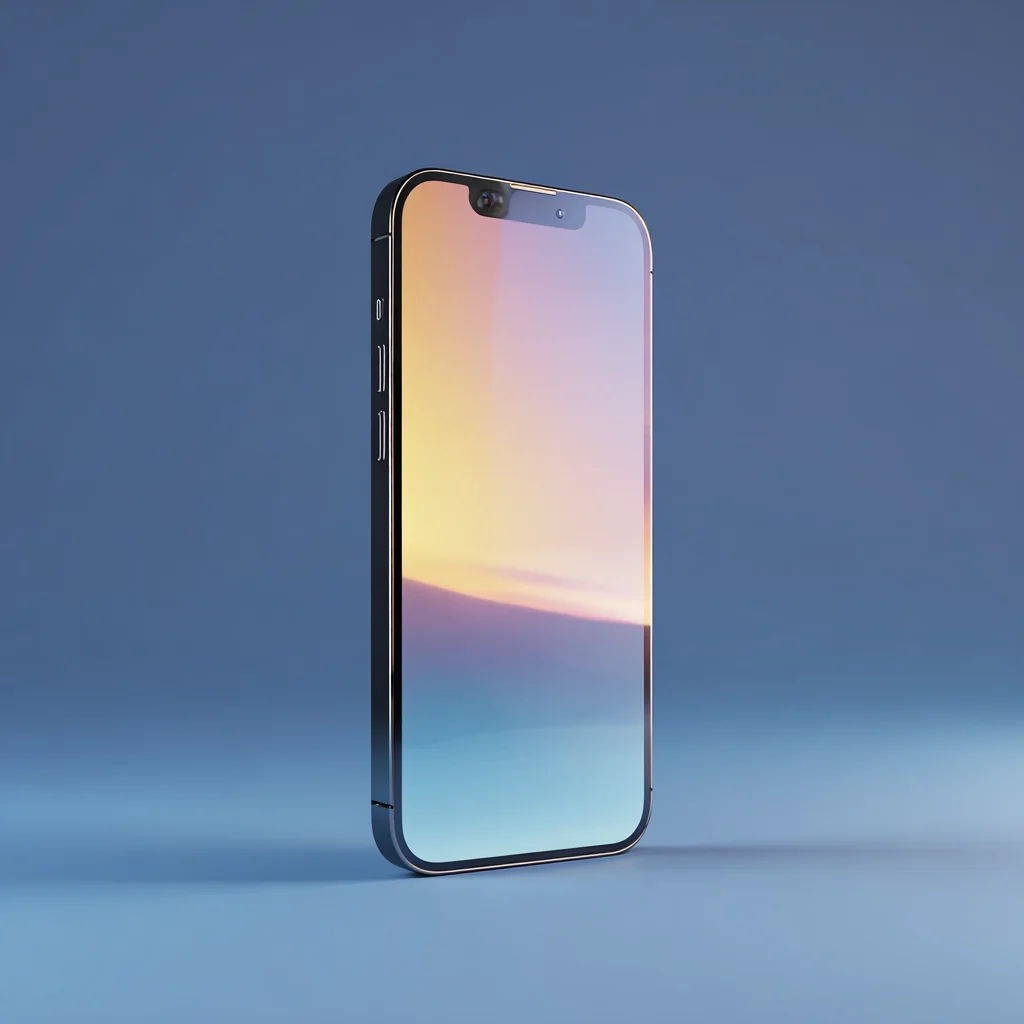
iPhone

iPhone

Apple's flagship smartphone line, known for its iOS operating system, premium build quality, and ecosystem integration.

Battle Analysis

Customisation android-phone Wins
30%
70%
Android Phone iPhone

Android Phone

iPhone

Apple's approach to customisation has evolved from rigid uniformity to what might charitably be called controlled flexibility. Recent iOS versions permit home screen widgets, alternative browsers (though still using WebKit), and limited icon arrangement. Yet the fundamental experience remains constrained by Apple's design philosophy.

The rationale is not without merit: consistency ensures reliability. iPhone users enjoy predictable behaviour across all applications, a blessing for those who view technology as a tool rather than a hobby. The trade-off between freedom and stability remains genuinely contested.

VERDICT

Android's open architecture permits modifications at every level, from launchers to ROMs, that iOS fundamentally prohibits
Market dominance iphone Wins
30%
70%
Android Phone iPhone

Android Phone

iPhone

Apple's 27% market share belies its extraordinary influence. In the United States, iPhone commands approximately 55% of the smartphone market. Among teenagers, this figure exceeds 85%, suggesting generational momentum that bodes well for future dominance. The App Store generates roughly double Google Play's revenue despite serving fewer users.

Apple's vertical integration means a single company controls hardware, software, and services. This coherence enables strategic pivots impossible for the fragmented Android ecosystem. When Apple commits to a direction, two billion devices follow.

VERDICT

Apple's profit dominance and demographic momentum suggest influence exceeding its numerical market position
Value proposition android-phone Wins
30%
70%
Android Phone iPhone

Android Phone

iPhone

Apple's pricing strategy appears aggressive until one examines total cost of ownership. iPhones retain approximately 60-70% of their value after two years, compared to 30-40% for most Android flagships. Software support extending to six or seven years means devices remain functional far longer than the Android average of three to four years.

The cheapest iPhone SE, at $429, delivers flagship-class performance through Apple's silicon advantage. Whilst the initial investment exceeds budget Android options, the long-term economics prove more competitive than sticker prices suggest.

VERDICT

Android's market breadth democratises smartphone access across all economic strata, a value iPhone's premium positioning cannot match
Privacy and security iphone Wins
30%
70%
Android Phone iPhone

Android Phone

iPhone

Apple has transformed privacy into a competitive advantage. The App Tracking Transparency framework alone cost Meta an estimated $10 billion in advertising revenue, demonstrating the company's willingness to prioritise user privacy over industry relationships. Safari's Intelligent Tracking Prevention, Mail Privacy Protection, and on-device processing represent a comprehensive anti-surveillance architecture.

Security updates reach 90% of compatible devices within weeks of release. The closed ecosystem, whilst limiting freedom, creates a significantly smaller attack surface. Apple's stance positions privacy not as a feature but as a fundamental human right.

VERDICT

Apple's unified update system and aggressive anti-tracking measures create measurably superior protection against both hackers and advertisers
Ecosystem integration iphone Wins
30%
70%
Android Phone iPhone

Android Phone

iPhone

Apple's ecosystem represents perhaps the most sophisticated walled garden in technological history. The integration between iPhone, iPad, Mac, Apple Watch, and AirPods achieves a level of symbiotic harmony that borders on the uncanny. Features like Universal Clipboard, Handoff, and AirDrop function with a reliability that Android users can only observe with quiet envy.

This integration carries a price: approximately $3,000-5,000 to fully inhabit Apple's world. Yet for those within, the experience is one of remarkable cohesion. Messages sync instantaneously, calls transfer between devices, and files flow freely through the ecosystem.

VERDICT

Apple's vertical integration creates an unmatched symphony of device cooperation that Android's fragmented approach cannot replicate
👑

The Winner Is

iPhone

48 - 52

The evidence presents a portrait of two genuinely successful but fundamentally different approaches to mobile computing. Android wins decisively on customisation and value proposition, offering freedom and accessibility that iPhone cannot match. Apple prevails on ecosystem integration, privacy, and market influence, demonstrating that quality occasionally trumps quantity.

With a final score of 52-48 in favour of iPhone, this analysis concludes that Apple's integrated approach currently delivers a more cohesive overall experience, though Android's openness remains essential for users who prioritise autonomy over harmony. Neither platform is objectively superior; each serves different human needs with considerable competence.

Android Phone
48%
iPhone
52%

Share this battle

More Comparisons