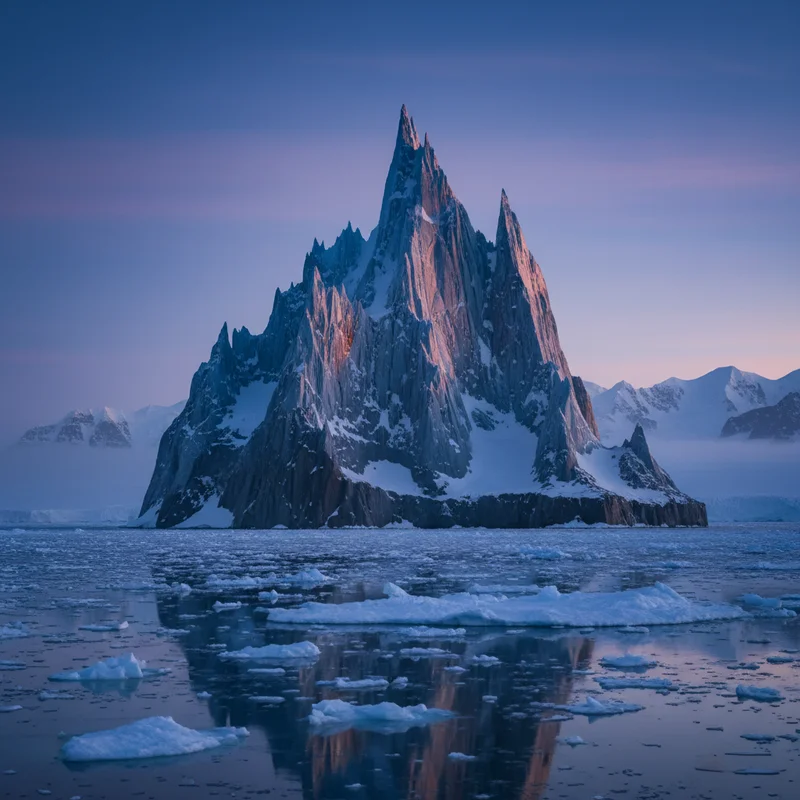

Antarctica
Antarctica has maintained its fundamental character for approximately 34 million years, since the formation of the Antarctic Circumpolar Current isolated the continent climatically. The ice sheet, averaging 1.9 kilometres in thickness, contains ice formations dating back 800,000 years. In terms of geological durability, Antarctica represents one of Earth's most persistent features.
However, contemporary climate models project significant ice loss over coming centuries. The continent's current configuration, whilst ancient, faces unprecedented challenges. Its durability, whilst impressive on human timescales, proves finite on planetary ones.
Procrastination
The temporal persistence of procrastination warrants serious academic attention. A single instance of task deferral can propagate across days, weeks, or decades. Tax returns have remained unfiled for years. Novels have sat unwritten for entire lifetimes. The phenomenon exhibits a self-reinforcing quality: the longer one procrastinates, the more daunting the postponed task becomes, thereby increasing the probability of continued deferral.
Psychologists identify procrastination as a trait-level characteristic in approximately 20% of adults, suggesting permanent residence in their behavioural repertoire. The habit persists across career changes, relationship transitions, and geographical relocations. It travels with the individual indefinitely.