
Athlete
The athlete demonstrates remarkable velocity across multiple locomotion modalities. Elite sprinters achieve 27.78 mph over 100 metres, with Usain Bolt's peak velocity recorded at 27.33 mph during his 2009 world record performance. Cyclists sustain speeds exceeding 45 mph on flat terrain, whilst downhill skiers routinely surpass 90 mph.
Neural processing speed, whilst modest compared to silicon alternatives, enables reaction times of 120-150 milliseconds for elite competitors. This biological latency, though measurable, proves sufficient for intercepting objects travelling at considerable velocity, as demonstrated by cricket batsmen facing deliveries exceeding 95 mph.
The athlete's capacity for autonomous velocity generation represents a fundamental advantage. No external power source, charging cable, or user intervention is required to initiate movement. The system is entirely self-contained and self-directed.
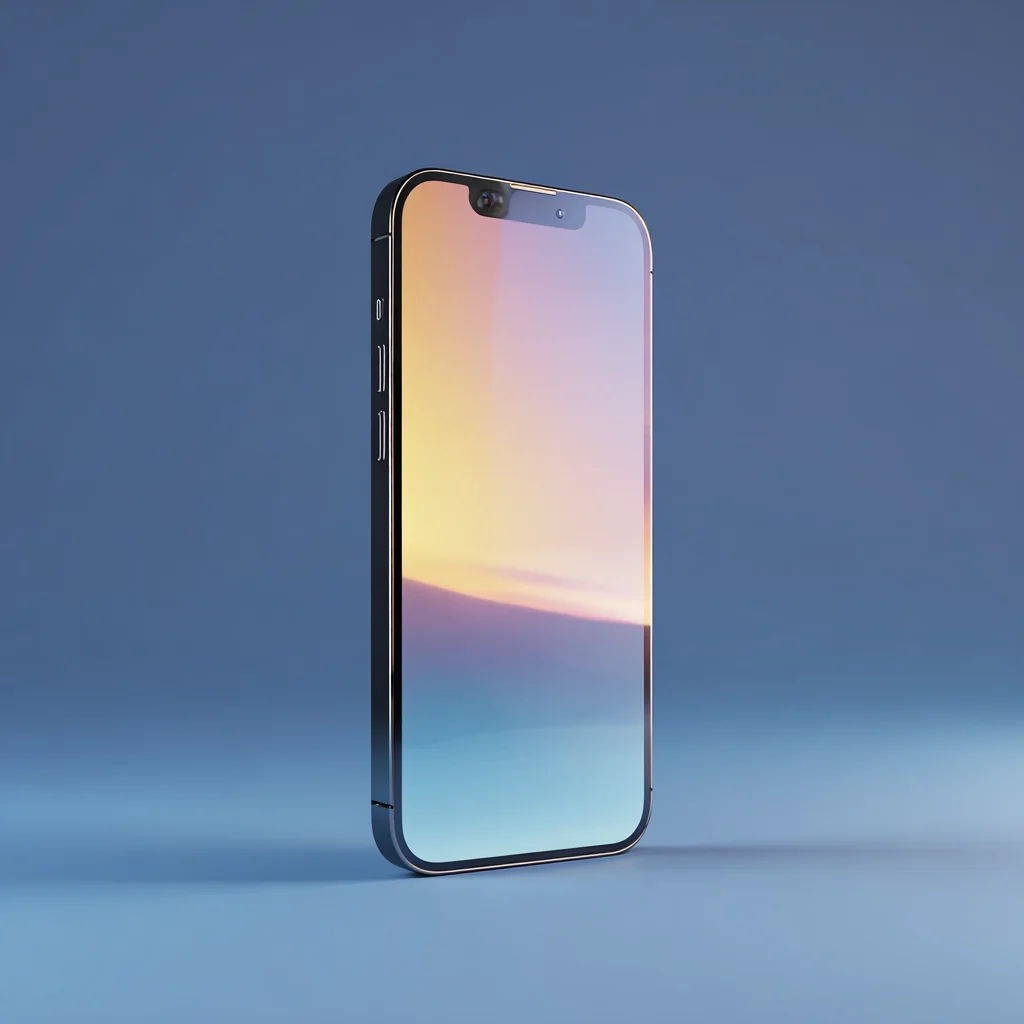
iPhone
The iPhone's computational velocity operates at genuinely impressive scales. The A17 Pro chip processes instructions at 3.78 GHz, executing approximately 17 trillion operations per second through its neural engine. Data transmission occurs at up to 10 Gbps via 5G connectivity, enabling the transfer of entire film libraries in mere minutes.
Physical displacement, however, presents a significant limitation. The iPhone possesses zero autonomous locomotion capability. Left unattended, the device achieves a velocity of precisely 0 mph under all conditions except gravitational free-fall, during which terminal velocity approaches 120 mph before catastrophic structural failure.
Response latency for user inputs measures approximately 8.3 milliseconds, creating the illusion of instantaneous interaction. This represents a triumph of human-computer interface engineering, though it requires external agency to initiate.
VERDICT
Whilst the iPhone demonstrates superior computational velocity by several orders of magnitude, the criterion of speed fundamentally implies physical displacement through space. On this measure, the athlete achieves meaningful velocity whilst the iPhone achieves none without external assistance.
The athlete's autonomous locomotion capability, combined with genuinely impressive peak velocities across multiple sporting disciplines, establishes clear superiority. An iPhone placed at a starting line will remain there indefinitely; an athlete will not. This distinction proves decisive.