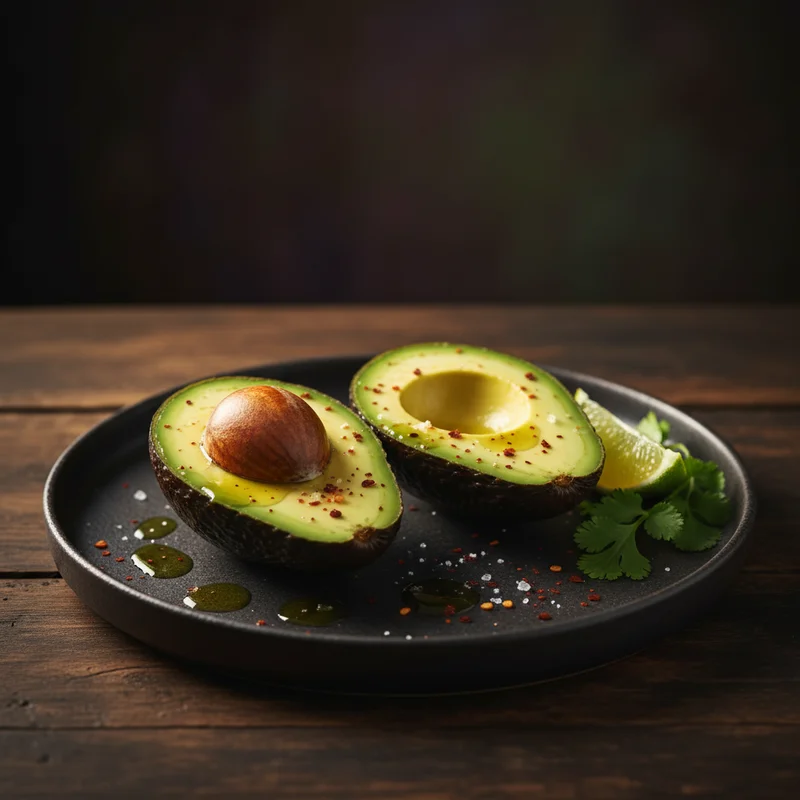

Avocado
From an agricultural perspective, the avocado demonstrates considerable limitations. The species requires specific climate conditions—frost intolerance restricts commercial cultivation to subtropical and Mediterranean zones. Each tree demands approximately 70 litres of water per fruit produced, a resource intensity that has generated environmental concern in drought-prone growing regions. The fruit cannot survive temperatures below negative one degree Celsius. Transport requires precise temperature management, and the aforementioned ripening window presents logistical challenges that have inspired significant cold-chain innovation. These constraints reveal what botanists term ecological inflexibility.
Cat
The domestic cat exhibits what evolutionary biologists regard as extraordinary adaptive capacity. Populations thrive from Scandinavian winters to Australian deserts, from Himalayan elevations to sea-level humidity. The species has successfully colonised every continent except Antarctica. Cats demonstrate dietary flexibility, surviving as both obligate carnivores and opportunistic scavengers. Their thermoregulatory systems accommodate temperature ranges spanning 50 degrees Celsius. Perhaps most remarkably, cats adapt their behaviour to human schedules whilst maintaining fundamental independence—a combination that has ensured their success across virtually every human habitat on Earth.