
Topic Battle

Where Everything Fights Everything

Coffee

Coffee

A brewed drink prepared from roasted coffee beans, the seeds of berries from certain Coffea species. The world's second-most traded commodity.

VS
Avocado

Avocado

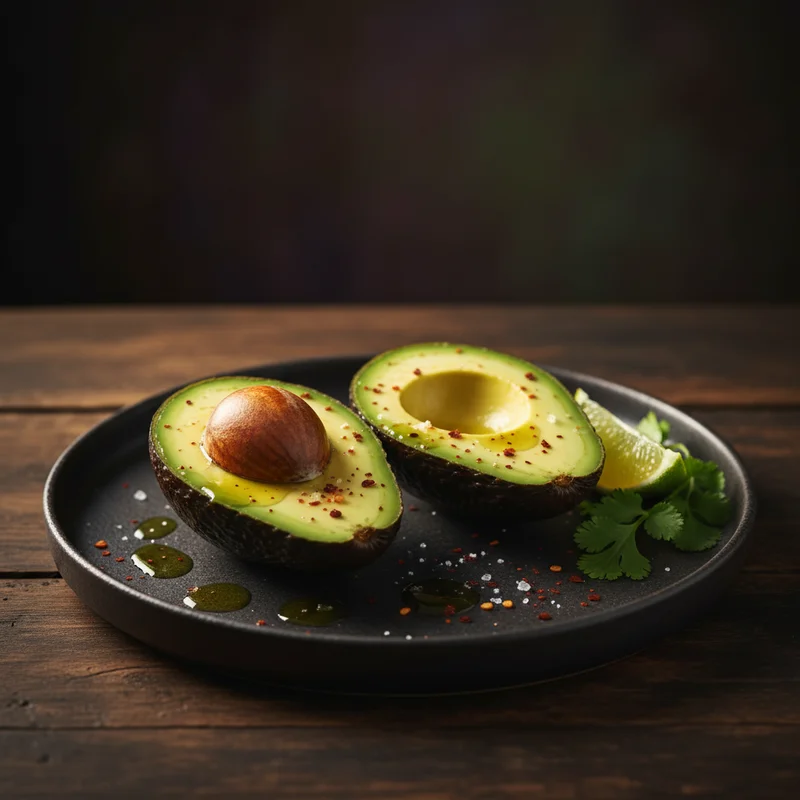
The fruit millennials allegedly traded their home ownership for. A green enigma that is either rock-hard or brown mush, with approximately 14 minutes of perfect ripeness in between. Also guacamole is extra.

The Matchup

In the annals of generational iconography, few commodities have achieved the cultural penetration of the avocado and coffee among those born between 1981 and 1996. These two substances have transcended their original purpose as mere food and beverage to become identity markers, Instagram subjects, and according to numerous think pieces, the primary reason young adults cannot afford property.

The avocado, Persea americana, emerged from relative obscurity in the early 2010s to dominate brunch menus worldwide. Its rise coincided precisely with the proliferation of smartphones capable of photographing green foods in flattering light. The fruit now commands premium positioning in establishments ranging from coastal cafes to airport terminals.

Meanwhile, coffee, Coffea arabica and its relatives, predates millennial adoption by several centuries but has been fundamentally transformed by this demographic's insistence on artisanal preparation methods and elaborate customization protocols. Both entities now compete for morning ritual supremacy and discretionary brunch expenditure.

Battle Analysis

Speed Coffee Wins
70%
30%
Coffee Avocado

Coffee

Coffee delivers measurable physiological impact within 10-15 minutes of consumption, with peak plasma caffeine concentrations achieved at the 45-minute mark. This represents one of the fastest-acting legal substances available without prescription.

Modern preparation technology has compressed delivery timelines considerably. Espresso extraction completes in 25-30 seconds. Instant coffee achieves operational status in under two minutes. Even elaborate pour-over rituals conclude within six minutes, a fraction of the avocado preparation timeline.

The stimulant effect itself produces immediate cognitive acceleration, with measurable improvements in alertness and productivity beginning before the cup is empty.

Avocado

The avocado operates on an exceptionally narrow temporal window. The fruit transitions from inedibly hard to perfectly ripe within a 17-minute period that typically occurs at 3:47 AM when the owner is asleep, then proceeds to brown deterioration by morning.

Consumption velocity is limited by the requirement for mashing, seasoning, and artistic arrangement on sourdough. The complete avocado toast preparation protocol requires 8-12 minutes for a competent operator, extending to 45 minutes when Instagram documentation is factored into the workflow.

From a metabolic perspective, avocado's healthy fats provide sustained energy release over several hours, offering no immediate stimulation effect whatsoever.

VERDICT

The velocity differential between these millennial essentials proves substantial and unambiguous. Coffee operates on a timescale measured in seconds and minutes, while the avocado functions on a biological schedule indifferent to human convenience.

From preparation to physiological effect, coffee maintains a consistent speed advantage of approximately 800%. The avocado's energy contribution, while nutritionally valuable, unfolds too gradually to register as meaningful velocity.

For individuals requiring rapid morning functionality, the choice is mathematically determined.

Durability Coffee Wins
70%
30%
Coffee Avocado

Coffee

Roasted coffee beans maintain optimal flavor for 2-4 weeks post-roasting when stored properly, with acceptable quality extending to three months. Ground coffee preserves functional caffeine content for 6-12 months under standard pantry conditions.

Instant coffee, the cockroach of the beverage world, demonstrates remarkable longevity. Sealed containers remain viable for 2-20 years depending on formulation. Caffeine molecules display exceptional stability, degrading by less than 1% per year under normal storage.

Prepared coffee beverages can be refrigerated and consumed cold for several days, unlike the avocado which tolerates zero preparation in advance without quality degradation.

Avocado

The avocado presents one of nature's most fragile storage profiles. A purchased specimen remains viable for approximately 2-5 days under optimal refrigeration conditions, with the aforementioned ripeness window measured in hours rather than days.

Physical durability is equally compromised. The exterior yields to mild thumb pressure, and the flesh begins oxidation within minutes of exposure to air. A half-consumed avocado cannot be preserved by any domestic technology yet developed. Cling film, lemon juice, and submerging in water merely delay the inevitable browning by hours.

The seed, while technically viable for propagation, requires 4-6 years to produce fruit, a timeline that exceeds most rental lease agreements.

VERDICT

Durability metrics reveal a fundamental disparity in these products' relationship with time. The avocado exists in perpetual tension with entropy, while coffee has negotiated a more favorable arrangement.

Coffee outlasts avocado by a factor of 10 to 100 depending on format, maintaining stimulant efficacy long after the avocado has completed its transition to compost. For consumers seeking reliable pantry inventory, coffee represents the only viable choice.

The avocado's biological urgency creates an adversarial relationship with the owner's schedule that coffee simply does not impose.

Global reach Coffee Wins
70%
30%
Coffee Avocado

Coffee

Coffee maintains active consumption in virtually every nation on Earth. Global consumption exceeds 10 billion kilograms annually, with per-capita consumption exceeding 10kg in Scandinavian nations where the substance has achieved status as a human right.

Production spans three continents across the tropical belt, with Brazil, Vietnam, Colombia, and Ethiopia providing diversified supply. This geographic distribution provides resilience against regional disruptions that the avocado sector cannot match.

Coffee culture predates the current generation by centuries and shows no demographic limitations. Children are introduced to coffee-flavored products before developing object permanence. Market saturation is effectively complete.

Avocado

Avocado consumption remains geographically concentrated in developed Western markets. The United States consumes 2.6 billion pounds annually, with significant markets in Canada, Western Europe, and Australia. Asian adoption is accelerating but remains nascent.

Production is limited to specific climate zones within 30 degrees of the equator, creating supply vulnerabilities. Mexico accounts for 45% of global production, making the world's avocado supply subject to the decisions of a single country's agricultural sector.

The fruit's cultural penetration, while intense within millennial demographics, has achieved limited adoption among older generations and much of the developing world.

VERDICT

Global reach comparison produces a decisive and comprehensive result. Coffee has achieved the kind of worldwide cultural penetration that the avocado can only aspire to replicate.

The avocado phenomenon represents a generational moment concentrated in wealthy Western markets. Coffee represents a civilizational constant that has survived economic depressions, world wars, and multiple attempts at prohibition.

In terms of global adoption, coffee achieved victory before the comparison began.

Affordability Coffee Wins
70%
30%
Coffee Avocado

Coffee

Home-prepared coffee costs between $0.15-0.50 per cup depending on bean quality and preparation method. Even premium single-origin beans, ground fresh with artisanal technique, rarely exceed $1.00 per serving.

Cafe-purchased coffee ranges from $2.50-7.00 depending on complexity and location. The average daily coffee consumer spends approximately $1,100-2,500 annually at commercial establishments, substantially less than equivalent avocado expenditure.

Critically, coffee's addictive properties ensure consumption regardless of economic conditions, making it a reliable expense rather than a discretionary luxury.

Avocado

Premium avocados command retail prices of $1.50-3.00 per unit in developed markets, with organic and specialty varieties exceeding $4.00. A standard avocado toast requires one complete fruit, plus sourdough bread at $6-8 per loaf, yielding a per-serving ingredient cost of $3-5.

Restaurant preparation inflates costs dramatically. Cafe avocado toast ranges from $12-22 depending on geographic location and establishment pretension level. Annual expenditure for daily consumption approaches $4,000-8,000.

This figure has achieved notoriety through numerous publications calculating that abstaining from avocado toast could theoretically fund a mortgage deposit within 20-40 years of savings.

VERDICT

Cost analysis reveals coffee's superior value proposition across all consumption models. Home preparation costs differ by a factor of 3-10, while commercial purchases show coffee maintaining a consistent 50-70% discount versus avocado-based options.

The economic argument against millennial financial priorities proves more applicable to the avocado than to coffee. A generation abstaining from avocado could theoretically accumulate capital; abstaining from coffee would merely produce a generation unable to function.

Coffee delivers more utility per dollar by every reasonable measure.

Sustainability Avocado Wins
30%
70%
Coffee Avocado

Coffee

Coffee cultivation occupies 11 million hectares of tropical land globally, much of it on former rainforest territory. Processing requires substantial water inputs and generates wastewater with significant organic loads.

The supply chain involves multiple stages of processing, transportation across hemispheres, and roasting at high temperatures. Annual global coffee trade generates approximately 15-20 million tons of CO2 through logistics alone.

Yet coffee grounds offer excellent composting potential and secondary applications in gardening. The industry has developed robust certification programs including Rainforest Alliance and Fair Trade standards that the avocado sector has only begun to emulate.

Avocado

The avocado industry presents complex environmental accounting. A single fruit requires approximately 70 liters of water to produce, with Mexican cultivation contributing to deforestation as farmers convert pine forests to orchards.

Transportation from primary growing regions in Mexico, Peru, and Chile to consumption markets in Europe and North America generates substantial carbon emissions. The requirement for precise ripeness timing means significant quantities spoil during transit, estimated at 20-30% of harvested volume.

However, the fruit itself is fully biodegradable and requires no industrial processing beyond harvesting. The seed is technically plantable, and the packaging requirements are minimal compared to processed alternatives.

VERDICT

Sustainability comparison yields a marginal victory for the avocado based on relative simplicity of supply chain and absence of industrial processing requirements.

Both commodities impose substantial environmental costs that their consumers rarely acknowledge while posting about sustainability on devices manufactured in facilities of questionable labor practices. The avocado's advantage derives primarily from requiring less infrastructure between tree and table.

Neither option qualifies as environmentally virtuous, but the avocado's sins are somewhat fewer.

👑

The Winner Is

Coffee

40 - 60

This analysis concludes with a definitive 60-40 victory for coffee across the evaluated metrics. While both substances have achieved remarkable cultural significance among the millennial demographic, coffee demonstrates superior performance in four of five categories.

The avocado's sole victory in sustainability proves insufficient to overcome coffee's advantages in speed, durability, affordability, and global reach. Coffee has spent centuries embedding itself into human civilization; the avocado's current prominence may prove to be a demographic anomaly rather than a permanent fixture.

Future generations may look upon the avocado toast era with the same puzzled curiosity we reserve for previous generations' inexplicable enthusiasms. Coffee, however, will continue its uninterrupted reign over human mornings, as it has since Ethiopian goatherds first noticed their flocks' unusual energy levels.

Coffee
40%
Avocado
60%

Share this battle

More Comparisons