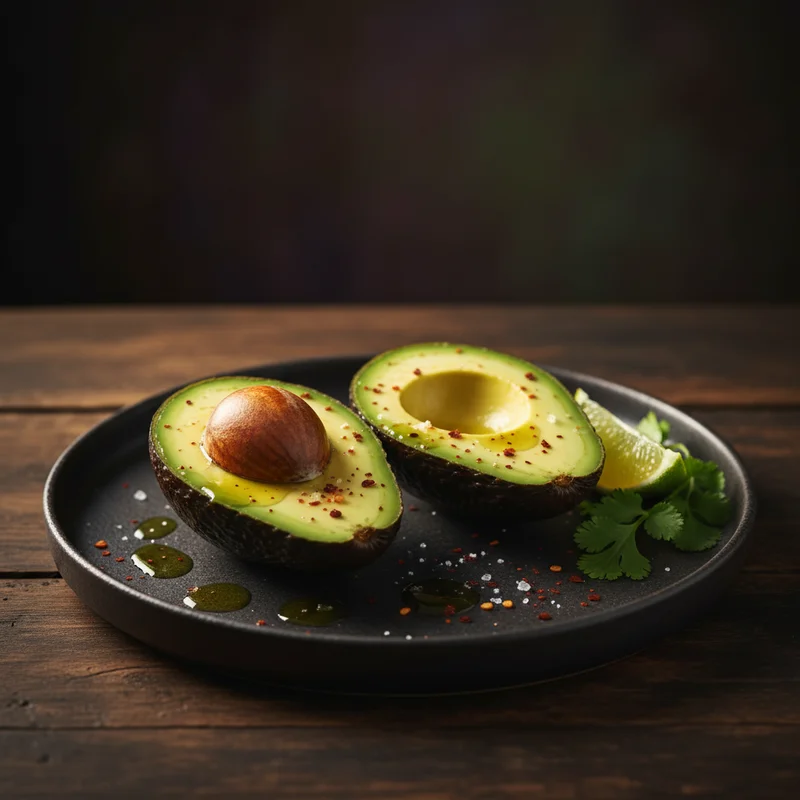

Avocado
The avocado demonstrates remarkable inflexibility in its environmental requirements. The fruit demands specific temperature ranges, consistent moisture, and particular soil conditions that limit viable cultivation to a narrow band of global geography. Climate change threatens existing growing regions while potentially opening new ones, but the tree's seven-year maturation period makes adaptation agonisingly slow. In the kitchen, the avocado's window of perfect ripeness spans approximately forty-eight hours, outside of which it oscillates between rock-hard inedibility and brown, mushy disappointment. This is not an organism designed for flexibility.
Dog
The domestic dog represents perhaps the most adaptable large mammal on Earth. Canis familiaris thrives from the Arctic tundra to the Saharan fringe, from Himalayan villages to Pacific island atolls. The species has diversified into over four hundred recognised breeds, ranging from the two-kilogram Chihuahua to the ninety-kilogram English Mastiff. Dogs adapt their behaviour to human emotional states, adjust their activity levels to their owners' lifestyles, and modify their sleep patterns to match household rhythms. This is an organism that has effectively outsourced its survival strategy to partnership with humans, achieving thereby a flexibility that few species can match.