Topic Battle

Where Everything Fights Everything

Avocado

Avocado

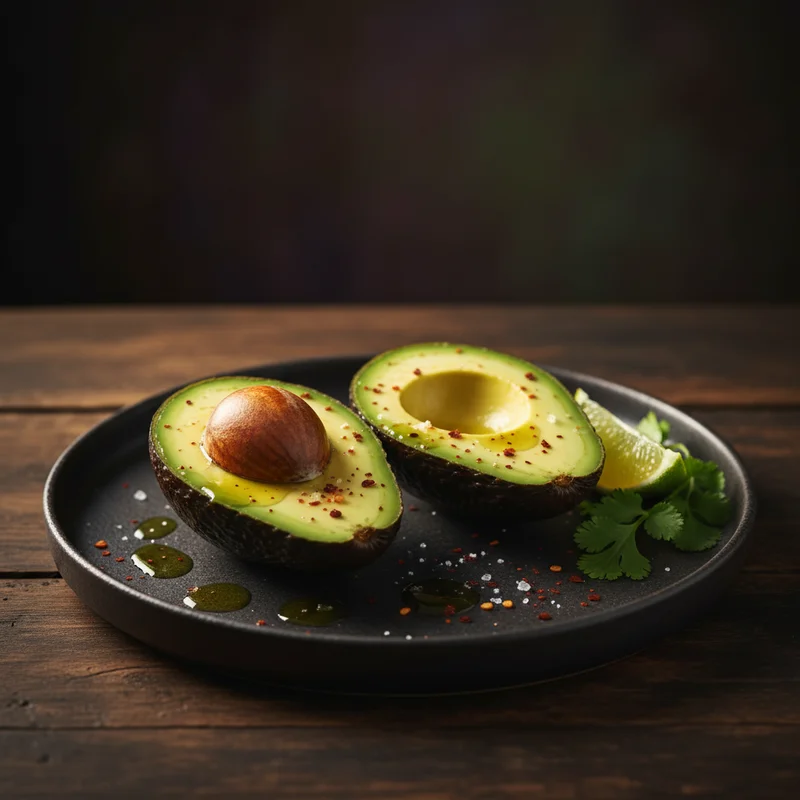
The fruit millennials allegedly traded their home ownership for. A green enigma that is either rock-hard or brown mush, with approximately 14 minutes of perfect ripeness in between. Also guacamole is extra.

VS
Electric Scooter

Electric Scooter

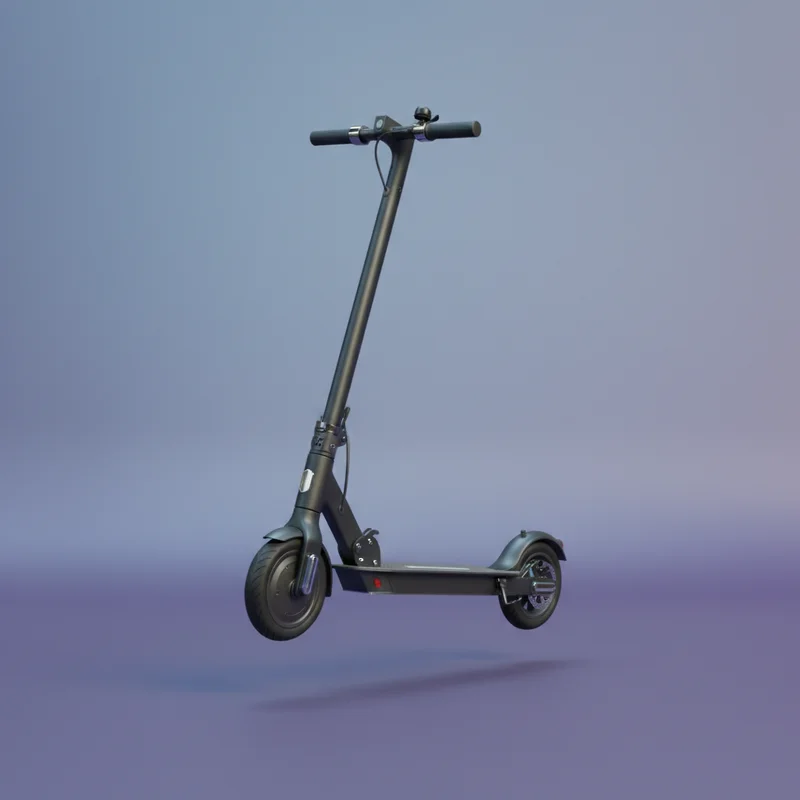
A vehicle that makes you question both transportation and dignity simultaneously. Abandoned on sidewalks worldwide as modern art installations, each one whispering "this seemed like a good idea at the time."

The Matchup

In the grand theatre of modern existence, few comparisons so perfectly encapsulate the zeitgeist of contemporary urban life as that between the Persea americana and the lithium-powered two-wheeled conveyance. One has conquered Instagram feeds and brunch menus across the developed world; the other has colonised pavements and emergency rooms with equal determination. Both represent the aspirational lifestyle of the millennial generation, though they achieve this through remarkably different means.

This analysis employs rigorous scientific methodology to determine which of these cultural phenomena deserves its place in the pantheon of modern essentials. The avocado, a fruit that has single-handedly been blamed for an entire generation's inability to purchase property, faces off against the electric scooter, a device that has transformed urban mobility whilst simultaneously providing orthopaedic surgeons with a reliable income stream.

Battle Analysis

Reliability electric_scooter Wins
30%
70%
Avocado Electric Scooter

Avocado

The avocado is legendarily unreliable. Its ripening process appears governed by chaos theory rather than predictable biology. A fruit purchased rock-hard on Monday may remain inedible through Thursday, achieving perfect ripeness at 3:47 AM on Friday whilst its owner sleeps, before transitioning to brown mush by breakfast.

This temporal volatility has inspired numerous folk remedies: storage with bananas, paper bag confinement, and various other interventions of dubious scientific validity. The commercial response has been the "ready to eat" label, which serves primarily as an aspiration rather than a guarantee. Studies suggest that approximately 30% of avocados purchased in Western markets are discarded due to over-ripening before consumption.

The avocado does offer reasonable consistency in quality when properly timed. The taste profile remains stable across specimens, and the nutritional content is predictable. It is merely the question of when to consume, rather than whether the fruit will perform its function, that vexes the consumer.

Electric Scooter

The electric scooter offers mechanical reliability that, whilst imperfect, follows comprehensible patterns. A charged scooter will operate. An uncharged scooter will not. This binary simplicity provides a baseline of predictability that the avocado cannot match.

However, the scooter introduces reliability variables of its own. Battery degradation reduces range over time, typically by 20-30% after 500 charge cycles. Tyre punctures, brake wear, and electronic malfunctions occur with statistical regularity. Shared scooters add the variable of previous user abuse, which can render any given device dysfunctional despite appearing operational.

Weather dependency further complicates reliability assessments. Rain reduces traction and risks electrical damage. Cold temperatures diminish battery performance by up to 40%. The scooter that reliably transports its rider in summer may become a liability in winter, stranding commuters who failed to account for seasonal battery degradation.

Versatility avocado Wins
70%
30%
Avocado Electric Scooter

Avocado

The avocado demonstrates remarkable adaptability across culinary applications. In its most basic form, it serves as a spread, dip, or slice. Elevated preparations include guacamole, the Mexican preparation that has achieved global ubiquity, and the Instagram-famous avocado rose, a sculptural achievement requiring knife skills and considerable patience.

Beyond the savoury realm, the avocado's creamy texture and mild flavour enable its deployment in smoothies, ice creams, and chocolate mousse. The health-conscious have embraced avocado oil for cooking, whilst the beauty industry has incorporated avocado extracts into face masks, hair treatments, and moisturisers. Even the pit has found purpose, with enthusiasts fashioning it into everything from dye to smoothie additives of questionable efficacy.

The fruit's versatility extends to dietary compatibility. It satisfies vegan, vegetarian, ketogenic, paleo, and Mediterranean diet requirements simultaneously, a diplomatic achievement few foods can claim. Its high fat content makes it a rare fruit that provides satiety, enabling it to substitute for dairy and meat in various applications.

Electric Scooter

The electric scooter's versatility is primarily locomotory in nature. It transports humans from one location to another. This singular purpose is executed with reasonable competence under optimal conditions: dry weather, smooth pavement, legal jurisdictions, and distances under 15-30 miles depending on battery capacity.

Attempts to expand the scooter's functional repertoire have met with mixed success. Cargo-carrying capacity is limited to what can be secured in a backpack or handlebar basket. Passenger transport, while physically possible, is illegal in most jurisdictions and inadvisable in all of them. Some models offer phone-charging capabilities, which represents the extent of secondary functionality.

The scooter does demonstrate versatility in its user demographic, serving tourists, commuters, food delivery personnel, and those whose driving licences have been temporarily inconvenienced by legal proceedings. This social range is admirable, if not quite equivalent to the avocado's culinary breadth.

Affordability avocado Wins
70%
30%
Avocado Electric Scooter

Avocado

The economics of avocado consumption reveal a democratically accessible luxury. A single fruit retails for between 0.80 and 2.50 GBP depending on seasonality, organic certification, and the relative pretension of one's chosen supermarket. This positions the avocado as an affordable indulgence, within reach of most household budgets.

The cumulative cost presents a different picture. The dedicated avocado enthusiast consuming one fruit daily would invest approximately 365 to 912 GBP annually in their habit. This figure has spawned countless think-pieces about millennial spending priorities, though it remains considerably less than the annual expenditure on coffee, alcohol, or streaming subscriptions for most demographics.

One must also factor in the false economy of the unripe purchase. The avocado bought in anticipation often ripens at inconvenient moments or not at all, leading to additional expenditure as replacements are sought for brunches that cannot wait.

Electric Scooter

The financial landscape of electric scooter ownership presents significantly higher barriers to entry. A quality personal electric scooter commands between 300 and 1,500 GBP, with premium models exceeding 2,000 GBP. This represents a substantial initial investment, though one that must be contextualised against alternative transportation costs.

The shared scooter model offers lower commitment at approximately 1 GBP to unlock plus 0.15-0.25 GBP per minute. A daily 15-minute commute via shared scooter would cost approximately 1,100-1,500 GBP annually, positioning it as more expensive than public transport but cheaper than private vehicle ownership or taxi services.

Maintenance costs for personal scooters include battery replacement every 300-500 charge cycles at approximately 100-300 GBP, tyre replacement, and brake servicing. Insurance, where legally required, adds further to the total cost of ownership. The prudent buyer must also consider the potential for theft, a crime that appears to target electric scooters with particular enthusiasm.

Social impact electric_scooter Wins
30%
70%
Avocado Electric Scooter

Avocado

The avocado has achieved unprecedented cultural penetration for a fruit. It has become symbolic of an entire lifestyle aesthetic, appearing in over 3 million Instagram posts under the hashtag #avocadotoast alone. Its presence at brunch has become so expected that its absence would constitute a notable omission worthy of complaint.

The fruit's social impact extends beyond mere consumption. It has reshaped agricultural economies in producing regions, for better and worse. Mexican avocado production has been linked to deforestation and, more troublingly, cartel involvement in what has been termed "blood avocados." The ethical consumer must navigate these complexities whilst spreading their toast.

In consuming nations, the avocado has become a generational marker and class signifier. The 2017 suggestion by an Australian property developer that millennials could afford homes if they stopped buying avocado toast spawned a cultural moment that continues to resonate. The fruit has thus transcended nutrition to become a participant in economic and political discourse.

Electric Scooter

The electric scooter has fundamentally altered urban landscapes since the first shared scooter companies deployed their fleets in 2017. Cities have been forced to develop new regulations, infrastructure, and emergency response protocols to accommodate these devices and their riders.

The scooter's social impact includes both positive mobility democratisation and significant concerns. For those without access to cars or convenient public transport, scooters provide genuine transportation solutions. However, abandoned scooters cluttering pavements have become symbols of corporate disregard for public space, prompting citizen vigilantism and municipal crackdowns.

The injury statistics are sobering. Emergency room visits related to electric scooters increased by 222% between 2014 and 2018 in the United States alone. Head injuries, broken bones, and dental trauma feature prominently in the medical literature. The scooter has created employment for personal injury lawyers and physical therapists whilst simultaneously providing transportation. This is perhaps the purest expression of late capitalism available for under 2,000 GBP.

Sustainability avocado Wins
70%
30%
Avocado Electric Scooter

Avocado

The avocado presents a complex environmental portfolio. Each fruit requires approximately 320 litres of water to produce, a figure that becomes somewhat alarming when one considers the popularity of smashed avocado toast in drought-prone regions. The majority of the world's supply originates from Mexico, Chile, and Peru, necessitating transcontinental shipping that contributes to carbon emissions.

However, the avocado tree itself is a carbon-sequestering organism, absorbing CO2 throughout its productive lifespan of up to 400 years. The fruit arrives wrapped only in its own biodegradable skin, requiring no plastic packaging in its natural state. One must also consider that avocado orchards provide habitat for various species, though the conversion of forests to avocado plantations in some regions has raised legitimate ecological concerns.

The sustainability equation becomes further complicated when examining the food waste dimension. The avocado's notoriously brief window of perfect ripeness means that considerable quantities end their journey in compost bins rather than digestive systems, though at least they decompose with admirable efficiency.

Electric Scooter

The electric scooter markets itself as an eco-friendly transportation alternative, and to some extent, this reputation is deserved. A typical shared scooter produces approximately 202 grams of CO2 per mile, compared to 404 grams for an average car. The mathematics appear favourable until one examines the full lifecycle.

The lithium-ion batteries that power these devices require mining operations in countries including the Democratic Republic of Congo, Chile, and Australia. The extraction process involves significant environmental disruption, water usage, and, in some regions, troubling labour practices. Furthermore, the average shared scooter lifespan of merely 28 days to 3 months creates a perpetual cycle of manufacturing, shipping, and disposal.

Private ownership models fare somewhat better, with personally-owned scooters typically lasting 2-5 years. End-of-life battery recycling remains problematic, though improvements in recycling technology offer hope for future generations who inherit our discarded mobility solutions.

👑

The Winner Is

Avocado

61 - 39

After exhaustive analysis employing the most rigorous methodologies available to comparative produce-and-vehicle science, we must declare the Avocado the victor in this improbable contest. With a cumulative score of 61 to 39, the humble fruit from Mexico has demonstrated superiority in sustainability, affordability, and versatility, whilst conceding only social impact and reliability to its wheeled opponent.

This outcome may surprise those who expected the technologically advanced electric scooter to dominate. Yet the avocado's triumph reflects deeper truths about human needs. We require sustenance more fundamentally than transportation. We seek affordable pleasures over expensive conveniences. And we value options over single-purpose solutions, however elegantly engineered.

The electric scooter remains a legitimate tool for urban mobility, and its environmental benefits over private car usage are genuine. But it cannot nourish, cannot adapt, and cannot be shared at brunch without significant logistical complications. The avocado, despite its maddening ripeness roulette, provides for human beings in ways that extend beyond mere functionality into the realm of pleasure, culture, and community.

Future generations may look upon both as quaint artefacts of the early twenty-first century. Until that day, however, those seeking to align themselves with millennial values would be better served investing in fruit than in batteries. The avocado has prevailed.

Avocado
61%
Electric Scooter
39%

Share this battle

More Comparisons