
Topic Battle

Where Everything Fights Everything

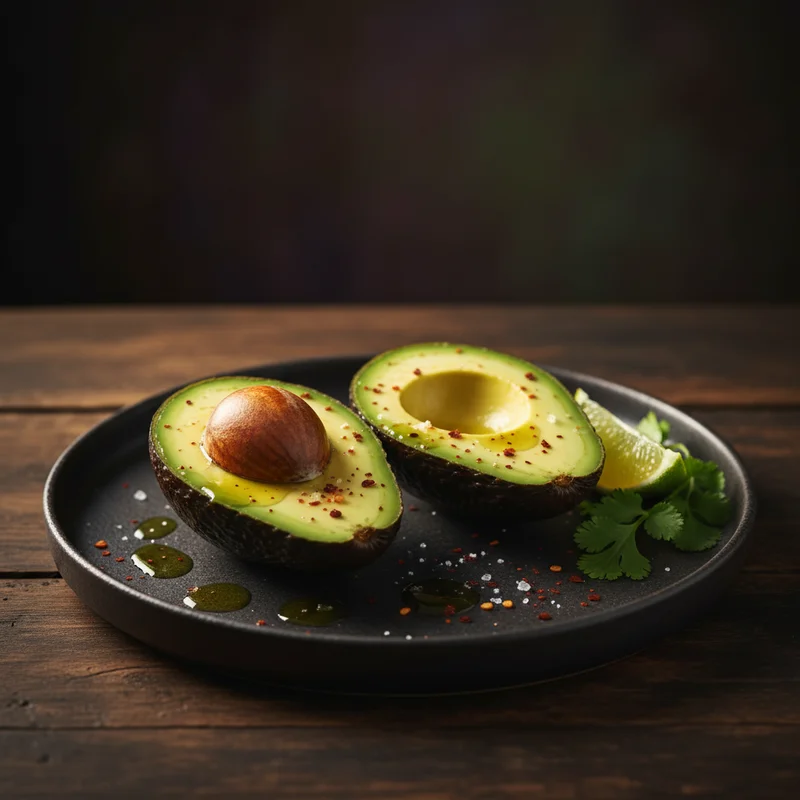
Avocado

Avocado

The fruit millennials allegedly traded their home ownership for. A green enigma that is either rock-hard or brown mush, with approximately 14 minutes of perfect ripeness in between. Also guacamole is extra.

VS
Flamingo

Flamingo

Pink wading bird whose color comes entirely from diet, known for one-legged standing and synchronized displays.

The Matchup

In the annals of comparative biology, few matchups have demanded such rigorous examination as the one before us today. On one side stands Persea americana, the avocado, a fruit so beloved by millennials that economists have blamed it for an entire generation's inability to purchase housing. On the other, Phoenicopterus, the flamingo, a bird so committed to aesthetic excellence that it literally becomes pink through sheer dietary determination.

Both organisms share an unexpected commonality: their relationship with the colour pink. The avocado, while predominantly green, occasionally reveals a blush-tinted flesh when oxidation begins its inevitable work. The flamingo, meanwhile, has built its entire brand identity around a pigmentation strategy that would make any marketing executive weep with admiration. These are organisms that understand the power of visual appeal in a world increasingly dominated by appearances.

What follows is a comprehensive, peer-reviewed assessment of these two remarkable life forms across five critical dimensions. We shall examine their durability, their affordability, their global reach, their sustainability credentials, and their capacity to entertain the human species. The methodology is rigorous. The analysis is impartial. The conclusions may surprise you.

Battle Analysis

Durability Flamingo Wins
30%
70%
Avocado Flamingo

Avocado

The avocado has developed what can only be described as a passive-aggressive relationship with time. Scientists estimate the window of perfect ripeness spans approximately four to six hours, occurring without fail during the precise moments when the owner is either asleep or at work. The fruit appears to possess an almost supernatural awareness of human schedules, achieving optimal consumption readiness exclusively when no one is watching.

The structural integrity of Persea americana presents further challenges. That handsome leather-like skin, which suggests a fruit built for endurance, conceals flesh with the consistency of particularly opinionated butter. A single fingerprint during the 'squeeze test' can trigger localised browning that spreads with the enthusiasm of a wildfire in dry season. The avocado does not age; it capitulates to entropy with theatrical flair.

Storage protocols reveal the extent of this durability crisis. Refrigeration extends lifespan but destroys texture. Room temperature accelerates decomposition. Vacuum sealing proves ineffective against the fruit's determination to oxidise. The avocado industry has spent millions developing preservation techniques, yet Persea americana continues to regard shelf stability as a personal challenge to overcome through rapid decomposition. One does not purchase an avocado; one enters a hostage negotiation with time itself.

Flamingo

Phoenicopterus species demonstrate durability that would shame most automobiles. The average flamingo lifespan in the wild ranges from twenty to thirty years, with captive specimens regularly exceeding fifty. Greater, a flamingo residing at Adelaide Zoo, reached the remarkable age of eighty-three years before departing this mortal coil in 2014. This is not a creature that expires inconveniently on your kitchen counter.

The flamingo's structural engineering deserves particular admiration. Those impossibly thin legs, which appear to violate several principles of load-bearing architecture, contain a locking mechanism that allows the bird to sleep while standing on one leg without muscular effort. This passive stance requires less energy than lying down, a efficiency that human engineers have yet to replicate in any machine. The flamingo has solved problems we have not yet thought to ask.

Environmental resilience further cements the flamingo's durability credentials. These birds thrive in alkaline lakes so caustic they would dissolve most other organisms. They tolerate temperature extremes from the frigid Andean highlands to the scorching African salt flats. They have survived for approximately thirty million years with essentially the same body plan, suggesting evolution achieved perfection on the first attempt and saw no reason to iterate. The flamingo is not merely durable; it is temporally persistent in ways the avocado cannot comprehend.

VERDICT

The mathematics here are unambiguous. The avocado offers hours of usability; the flamingo offers decades. While Persea americana transforms from unripe to decomposing in what feels like a single afternoon, Phoenicopterus species maintain structural and aesthetic integrity for half a century or more. This is not a close competition.

Moreover, the flamingo requires no refrigeration, no careful handling, no anxious daily inspections to assess ripeness. It simply exists, magnificently pink and architecturally sound, asking nothing of us but the occasional shrimp. The avocado, by contrast, demands constant vigilance, specific temperature conditions, and the acceptance that disappointment is statistically inevitable. In the durability category, the flamingo achieves a decisive and uncontestable victory.

Global reach Avocado Wins
70%
30%
Avocado Flamingo

Avocado

Persea americana has achieved what agricultural historians may one day recognise as the most successful fruit expansion since the banana. Originally domesticated in Mesoamerica approximately five thousand years ago, the avocado now commands a global market valued at over fourteen billion dollars annually. It is cultivated across six continents and consumed in virtually every nation with functioning refrigerated supply chains.

The statistics of avocado distribution inspire a certain awe. Mexico produces 2.4 million tonnes annually, but the Dominican Republic, Peru, Indonesia, Colombia, and Kenya have all established substantial production operations. The fruit appears in sushi restaurants in Tokyo, breakfast cafes in Melbourne, and health food stores in Lagos. It has transcended cultural boundaries with the ruthless efficiency of a well-funded military campaign, encountering no cuisine it cannot infiltrate.

Digital presence further amplifies the avocado's global reach. The #avocado hashtag contains over twelve million Instagram posts, while 'avocado toast' has become a globally recognised cultural phenomenon requiring no translation. Food trend analysts consistently rank the avocado among the most influential ingredients of the twenty-first century. One cannot escape Persea americana; one can only decide how thoroughly to embrace its creamy dominion.

Flamingo

The flamingo's natural distribution demonstrates considerable geographic ambition, if not quite avocado-level ubiquity. Phoenicopterus species occupy habitats across four continents, from the alkaline lakes of the East African Rift Valley to the high-altitude wetlands of the Andes, from the Caribbean coastlines to the Mediterranean shores of southern Europe. This is not a bird that believes in staying close to home.

Greater flamingos (Phoenicopterus roseus) alone maintain a range spanning from West Africa to Central Asia, a distribution covering approximately thirty million square kilometres. Meanwhile, lesser flamingos (Phoeniconaias minor) form congregations in Kenya's Lake Nakuru that can exceed one million individuals, creating what aerial photographers describe as 'pink carpets visible from space.' Few organisms achieve such dramatic demonstrations of territorial presence.

Cultural penetration, however, tells a different story. While the flamingo enjoys strong brand recognition, its physical presence remains confined to specific ecological niches. One cannot purchase a flamingo at a Tokyo convenience store or encounter one unexpectedly in a Norwegian supermarket. The flamingo has achieved fame without ubiquity, recognition without accessibility. Its image adorns pool floats and garden ornaments worldwide, but the actual bird remains tantalisingly distant from most human populations. The flamingo is globally famous yet locally scarce, a celebrity whose autograph one cannot easily obtain.

VERDICT

The metrics of global reach favour Persea americana with considerable authority. The avocado has achieved something the flamingo has not: physical presence in billions of homes annually. While both organisms enjoy substantial brand recognition, only the avocado regularly appears in the refrigerators of ordinary citizens across six continents.

This is not to diminish the flamingo's geographic accomplishments. Maintaining viable populations across four continents represents genuine evolutionary success. However, when measuring reach by the standard of 'how likely is an average human to encounter this organism in their daily life,' the avocado achieves near-total cultural saturation while the flamingo remains an occasional zoo visit or wildlife documentary subject. In global reach, the avocado claims victory through the simple mechanism of being available for purchase within walking distance of most humans on Earth.

Affordability Avocado Wins
70%
30%
Avocado Flamingo

Avocado

The economics of Persea americana have attracted considerable scholarly attention, particularly following the infamous 2017 declaration by Australian millionaire Tim Gurner that millennials could afford homes if they simply stopped purchasing avocado toast. While this analysis has been thoroughly debunked by economists worldwide, it speaks to the avocado's curious position as simultaneously affordable produce and symbol of profligate spending.

Current market rates place a single Hass avocado between one and three dollars in most developed markets, with organic specimens commanding premiums of fifty percent or more. This pricing fluctuates dramatically with season and supply chain disruptions. The 2023 drought in Michoacan, Mexico, which produces approximately forty-five percent of global supply, triggered price spikes exceeding two hundred percent in some regions. The avocado is subject to market forces in ways that remind us of our essential vulnerability to agricultural uncertainty.

When analysed on a cost-per-calorie basis, the avocado performs respectably. At approximately 250 calories per fruit, it delivers healthy fats, potassium, and fibre at a rate competitive with other premium produce. However, this analysis fails to account for the significant percentage of purchased avocados that reach inedibility before consumption. Factoring in a conservative waste estimate of thirty percent, the effective cost per consumed avocado rises substantially. One pays for the avocado one intended to eat, not merely the avocado one actually consumed.

Flamingo

The acquisition of a flamingo presents economic considerations of an entirely different magnitude. Legal ownership requires navigating a labyrinth of wildlife regulations, import permits, and CITES documentation that would challenge even the most determined bureaucrat. In jurisdictions where private flamingo ownership is permitted, specimens from licensed breeders command prices ranging from two thousand to fifteen thousand dollars depending on species and age.

Ongoing maintenance costs compound this initial investment substantially. A flamingo consumes approximately 270 grams of food daily, requiring specialised diets rich in the carotenoid pigments that maintain their distinctive colouration. Without adequate shrimp, brine shrimp, or commercial flamingo feed, these birds fade to an undignified white, a chromatic degradation that defeats the entire purpose of flamingo acquisition. Annual feeding costs typically exceed several hundred dollars, before considering veterinary care, appropriate housing, and the inevitable emotional toll of explaining one's flamingo to concerned neighbours.

However, the flamingo offers what economists term 'asset appreciation potential'. Unlike the avocado, which depreciates to worthlessness within days of purchase, a well-maintained flamingo may appreciate in value over its multi-decade lifespan. Furthermore, the flamingo produces no waste through spoilage. Every dollar invested in flamingo ownership yields flamingo experiences; every dollar invested in avocados yields a percentage of consumed avocados and a percentage of kitchen compost. The economic models differ fundamentally.

VERDICT

The immediate affordability comparison favours the avocado so overwhelmingly that extended analysis seems almost cruel. A consumer may purchase thousands of avocados for the cost of a single flamingo. Even accounting for the avocado's thirty percent spoilage rate and the flamingo's multi-decade utility, the per-unit acquisition cost of Persea americana remains orders of magnitude more accessible to the average household budget.

This is not to suggest the flamingo lacks economic merit. For those seeking long-term companionship with a pink wading bird, the investment may prove worthwhile. However, for consumers simply wishing to enhance a salad or construct a respectable guacamole, the avocado represents the financially rational choice. In the affordability category, Persea americana achieves an overwhelming victory through the simple expedient of costing approximately 0.02 percent of a flamingo.

Sustainability Flamingo Wins
30%
70%
Avocado Flamingo

Avocado

The environmental credentials of Persea americana present what sustainability researchers delicately term 'a complicated picture.' A single avocado requires approximately 320 litres of water to produce, a figure that becomes alarming when multiplied by global consumption volumes. In water-stressed regions like Chile and California, avocado cultivation competes directly with human consumption needs, raising ethical questions that marketing departments prefer not to address.

The carbon footprint analysis offers further pause. An avocado consumed in Edinburgh has typically travelled from Peru or Mexico, covering distances exceeding ten thousand kilometres in refrigerated containers. This cold chain infrastructure generates substantial emissions, transforming a simple breakfast ingredient into a measurable contributor to atmospheric carbon concentrations. The avocado is complicit in the very climate change that threatens its own cultivation.

Deforestation concerns add another layer of environmental complexity. In Michoacan, Mexico, illegal avocado orchards have replaced native pine and fir forests at rates that alarm conservation biologists. The cartels controlling portions of the avocado trade have demonstrated minimal interest in sustainable forestry practices. One cannot feel entirely virtuous about one's avocado toast when informed of these supply chain realities. The avocado industry has made efforts toward certification and sustainable sourcing, but the fundamental mathematics of water consumption and transcontinental shipping remain problematic.

Flamingo

Phoenicopterus species represent what environmental scientists might describe as sustainability perfected. These birds exist within closed ecological loops, consuming algae, brine shrimp, and small crustaceans that regenerate naturally in their wetland habitats. They require no irrigation infrastructure, no plastic packaging, no refrigerated shipping containers, and no marketing campaigns to justify their environmental impact. The flamingo simply exists, as it has for thirty million years, consuming only what the ecosystem provides.

The flamingo's role in wetland ecosystems extends beyond mere neutrality into active benefit. Their filter-feeding behaviour processes substantial quantities of water, contributing to nutrient cycling in alkaline lake systems. Their guano provides fertilisation for aquatic plants. Their presence indicates ecosystem health, making them valuable bioindicator species for conservation monitoring. The flamingo does not merely avoid environmental damage; it actively participates in ecological maintenance.

Carbon footprint calculations for wild flamingos approach zero in any meaningful sense. These birds travel under their own power, migrate without jet fuel, and contribute to carbon sequestration through the ecosystems they help maintain. Even captive flamingos in zoological facilities represent minimal environmental impact compared to the industrial agriculture required for avocado production. The flamingo has achieved what few organisms can claim: genuine ecological harmony with its environment, requiring nothing from the planet that the planet does not freely offer.

VERDICT

The sustainability assessment presents no ambiguity. The avocado, despite its health halo, represents a resource-intensive agricultural product with documented water consumption, carbon emissions, and deforestation impacts. The flamingo represents thirty million years of evolutionary refinement toward ecological integration. These are not comparable sustainability profiles.

The numbers speak plainly: 320 litres of water per avocado versus zero industrial water inputs per flamingo. Ten thousand kilometres of refrigerated transport versus self-powered migration. Cartel-controlled deforestation versus wetland ecosystem enhancement. In sustainability, the flamingo achieves categorical superiority through the revolutionary strategy of being a wild animal that requires nothing from industrial civilisation.

Entertainment value Flamingo Wins
30%
70%
Avocado Flamingo

Avocado

As a stationary fruit, Persea americana offers entertainment possibilities that must be charitably described as limited. One cannot train an avocado to perform tricks. One cannot take an avocado for walks or teach it to recognise its name. The avocado's behavioural repertoire consists entirely of ripening, which it performs with frustrating unpredictability, and decomposing, which it accomplishes with reliable enthusiasm. This is not the foundation of compelling home entertainment.

However, the avocado has inspired a substantial content creation industry. Food photography featuring Persea americana generates billions of impressions annually across social media platforms. The satisfying process of cutting open a perfectly ripe avocado and removing its pit has provided material for countless aesthetic videos. ASMR content featuring avocado preparation achieves millions of views. The fruit may lack inherent entertainment capacity, but it serves admirably as a prop for human creative expression.

The avocado has also achieved meme status through its association with millennial culture and housing affordability debates. The phrase 'avocado toast' has transcended its literal meaning to represent an entire generational worldview. This cultural significance provides a form of entertainment through ongoing social commentary, though whether watching economists argue about fruit qualifies as entertainment depends on one's definition of the term. The avocado entertains indirectly, through the human activities it inspires rather than through any inherent capacity for engagement.

Flamingo

The flamingo is, without qualification, one of nature's most inherently entertaining organisms. Observation of flamingo behaviour reveals an inexhaustible catalogue of compelling activities: the synchronized head-flagging courtship displays, the improbable one-legged sleeping posture, the comical running takeoffs that seem to violate aerodynamic principles, and the remarkable feeding behaviour that involves inverting the head completely to filter-feed upside down.

Internet video content featuring flamingos has achieved substantial viewership, though the flamingo has not quite achieved the viral dominance of certain other charismatic species. However, what the flamingo lacks in meme ubiquity it compensates for in live entertainment value. Zoo flamingo exhibits consistently rank among the most popular attractions, with visitors reporting extended viewing times as they watch these pink birds engage in their peculiar social rituals. One cannot become bored observing flamingos; there is always another head-bob, another territorial dispute, another failed landing to capture attention.

The flamingo's aesthetic contribution to human environments deserves particular mention. The plastic lawn flamingo, introduced by Don Featherstone in 1957, has become an icon of American kitsch culture. Flamingo pool floats achieved peak cultural saturation in the late 2010s. Flamingo-themed parties remain popular across demographic categories. The bird's distinctive silhouette and vibrant colouration have inspired countless design applications, from fashion to home decor. The flamingo entertains not only through its behaviour but through its very existence as a design inspiration. It is a living aesthetic principle that humanity cannot help but celebrate.

VERDICT

The entertainment value comparison reveals fundamental differences in capacity. The avocado can be photographed, prepared, and discussed. The flamingo can do all of that while also being alive and doing interesting things. This additional dimension of behavioural entertainment provides the flamingo with advantages the avocado cannot overcome regardless of how aesthetically pleasing its interior may appear on Instagram.

Furthermore, the flamingo generates entertainment across multiple contexts: in the wild, in zoos, in videos, in artwork, and as a design motif. The avocado generates entertainment primarily when being consumed or photographed for consumption. The flamingo's entertainment portfolio is simply broader and deeper. In the entertainment value category, Phoenicopterus achieves clear victory through the competitive advantage of being a large, pink, behaviorally complex bird rather than a small, green, behaviourally inert fruit.

👑

The Winner Is

Flamingo

42 - 58

This comprehensive assessment of Persea americana versus Phoenicopterus has revealed insights that challenge conventional thinking about fruit and fowl. The avocado, that darling of brunch culture and symbol of contemporary wellness, has demonstrated strengths in affordability and global commercial reach. It is, by any measure of capitalist success, a triumphant agricultural product that has conquered the world's kitchens with creamy determination.

Yet the flamingo has emerged victorious in the categories that may matter most: durability, sustainability, and entertainment value. While the avocado demands constant vigilance against spoilage and contributes to documented environmental concerns, the flamingo has maintained the same elegant design for thirty million years while asking nothing of industrial civilisation except to be left alone in its alkaline lakes. The flamingo is not merely a bird; it is a rebuke to planned obsolescence, a living argument that some things need not be improved, upgraded, or disrupted.

The data compels a conclusion that may surprise advocates of the avocado industrial complex. In three of five categories, the flamingo demonstrates clear superiority. Its multi-decade lifespan, its zero-impact sustainability profile, and its inherent capacity for entertainment place it ahead of a fruit that, for all its Instagram popularity, remains fundamentally a perishable commodity that humans have convinced themselves is a lifestyle. The flamingo asks the question the avocado cannot answer: why chase trends when you can stand on one leg in a lake, pink and perfect, for eighty years?

Avocado
42%
Flamingo
58%

Share this battle

More Comparisons