Topic Battle

Where Everything Fights Everything

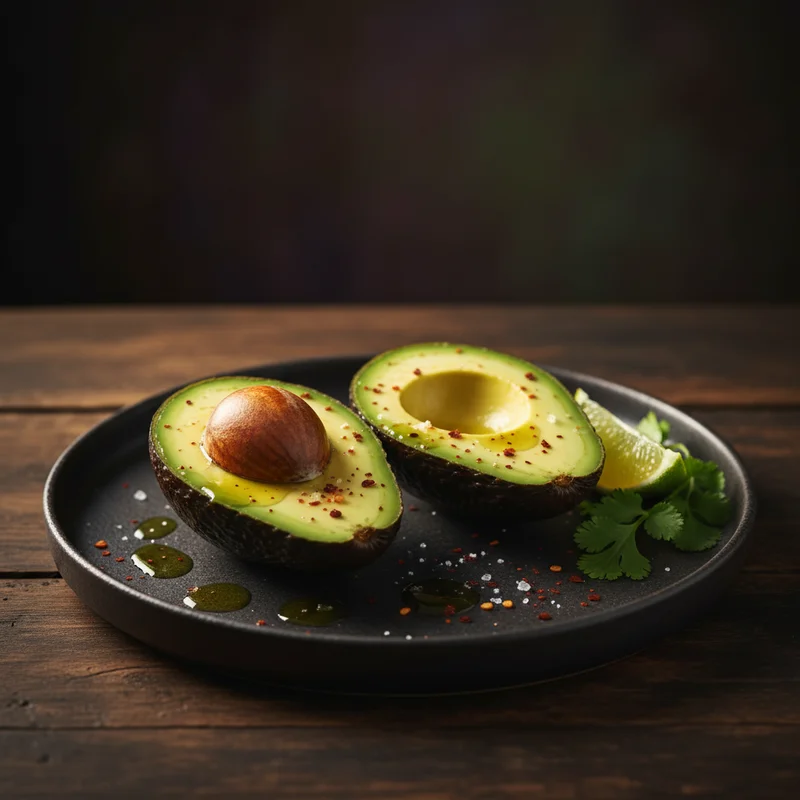
Avocado

Avocado

The fruit millennials allegedly traded their home ownership for. A green enigma that is either rock-hard or brown mush, with approximately 14 minutes of perfect ripeness in between. Also guacamole is extra.

VS
Gorilla

Gorilla

Largest living primate sharing 98% DNA with humans, known for chest-beating and gentle family bonds.

Battle Analysis

Strength gorilla Wins
30%
70%
Avocado Gorilla

Avocado

The avocado's structural integrity presents a curious paradox. Its outer skin, whilst appearing robust, yields readily to moderate pressure, revealing the buttery mesocarp within. The fruit can withstand approximately fifteen to twenty newtons of force before suffering catastrophic failure. Its single large seed, evolved to survive passage through the digestive systems of giant ground sloths, demonstrates remarkable hardness but serves no defensive purpose in the modern era. The avocado's true strength lies in its nutritional density, containing more potassium than bananas and enough healthy fats to constitute a complete meal in certain cultures.

Gorilla

The silverback gorilla represents the apex of primate physical development. With a bite force exceeding 1,300 pounds per square inch and the ability to lift approximately ten times their body weight, these creatures possess strength that borders on the mythological. A gorilla's arm span can reach 2.6 metres, with each limb capable of delivering blows that would prove instantly fatal to most terrestrial mammals. Their chest-beating displays, audible from over a kilometre away, serve as sonic demonstrations of this tremendous power. Yet remarkably, gorillas deploy this strength primarily for foraging and social signalling rather than violence.

VERDICT

The gorilla's capacity to generate over 1,300 PSI of bite force renders any comparison with fruit somewhat academic.
Adaptability avocado Wins
70%
30%
Avocado Gorilla

Avocado

The avocado demonstrates remarkable culinary versatility that borders on the miraculous. It transitions seamlessly from breakfast staple to dinner centrepiece, from smoothie ingredient to ice cream base. The fruit pairs effectively with both sweet and savoury applications, appearing in everything from traditional guacamole to Japanese maki rolls. Its oil serves cosmetic and culinary purposes alike. Climate-wise, however, the avocado remains stubbornly particular, thriving only within narrow temperature and humidity bands. Attempts to cultivate the fruit outside traditional growing regions have met with limited success, constraining its geographical adaptability significantly.

Gorilla

Gorillas have demonstrated limited adaptability to environmental change, a vulnerability that contributes to their endangered status. Unlike their chimpanzee cousins, gorillas cannot swim and rarely climb trees as adults, restricting their habitat options. Their specialised diet of particular plant species means deforestation affects them disproportionately. However, gorillas display remarkable behavioural adaptability, learning to navigate human presence in habituated groups and adjusting daily routines to avoid conflict. Tool use, once thought exclusive to other great apes, has been observed in western lowland populations, suggesting cognitive flexibility that may prove crucial for survival.

VERDICT

The avocado's integration into virtually every cuisine type demonstrates adaptability the habitat-bound gorilla cannot match.
Global recognition avocado Wins
70%
30%
Avocado Gorilla

Avocado

The avocado has achieved a level of cultural penetration unprecedented for a fruit. Its distinctive shape adorns countless products, from cushions to jewellery, whilst the term 'avocado toast' has entered the lexicon as a generational signifier. The fruit generates over twelve million Instagram posts annually and has been credited with both the decline of home ownership among millennials and the rise of the clean-eating movement. In Mexico alone, avocado consumption forms such a crucial part of national identity that production disruptions make headline news globally. The Hass variety, named after amateur horticulturalist Rudolph Hass, accounts for eighty percent of worldwide consumption.

Gorilla

The gorilla occupies a unique position in human consciousness as our closest living relative after chimpanzees and bonobos. From King Kong to Harambe, gorillas have become cultural touchstones that transcend geographical boundaries. Conservation efforts led by pioneers such as Dian Fossey transformed public perception from fearsome beasts to gentle giants requiring protection. The gorilla features prominently in documentaries, zoo attractions, and environmental campaigns worldwide. However, their recognition often carries a melancholic undertone, as all subspecies face varying degrees of endangerment, lending urgency to every public appearance.

VERDICT

Whilst gorillas command respect, the avocado has achieved ubiquitous daily visibility that few living things can match.
Intimidation factor gorilla Wins
30%
70%
Avocado Gorilla

Avocado

The avocado possesses precisely zero capacity for intimidation in any conventional sense. Its soft flesh and passive existence offer no threat whatsoever to any creature capable of breaking its thin skin. However, one might argue the fruit exercises a form of economic intimidation, with its premium pricing excluding lower-income consumers from participation in certain culinary trends. The avocado's reputation as a marker of class aspiration has generated genuine anxiety among those who cannot afford it, creating a peculiar form of fruit-based social pressure unprecedented in agricultural history.

Gorilla

Few experiences in the natural world match the primal terror of a silverback gorilla charge. These displays, designed to intimidate rivals and predators, feature flattened ears, bared canines, and speeds approaching forty kilometres per hour. The chest-beating that precedes such charges produces sounds audible across mountain valleys, a biological warning system refined over millennia. Even habituated gorillas inspire involuntary fear responses in human observers, our limbic systems recognising an apex predator regardless of our rational understanding of gorilla behaviour. This capacity for intimidation has shaped human mythology across African cultures for thousands of years.

VERDICT

A charging silverback triggers evolutionary fear responses that a creamy fruit simply cannot replicate under any circumstances.
Environmental impact gorilla Wins
30%
70%
Avocado Gorilla

Avocado

The environmental ledger of avocado cultivation reads like a cautionary tale of agricultural excess. A single avocado requires approximately 320 litres of water to produce, placing immense strain on aquifers in Mexico, Chile, and California. Deforestation in Michoacan has accelerated as cartels have entered the lucrative trade, destroying native pine and fir forests to plant illegal orchards. The carbon footprint of transporting these delicate fruits from Latin America to European and Asian markets adds further environmental burden. Yet paradoxically, avocado cultivation also supports millions of farming families and has driven reforestation efforts where sustainable practices prevail.

Gorilla

The gorilla functions as a keystone species within African forest ecosystems. Their dietary habits, consuming up to eighteen kilograms of vegetation daily, contribute to seed dispersal across vast territories, maintaining forest diversity and health. Gorilla tourism generates substantial conservation funding, with permits in Rwanda costing up to fifteen hundred dollars per visitor. This economic value has incentivised habitat protection throughout the Virunga volcanic region. Their presence indicates ecosystem health, serving as a barometer for broader environmental conditions. A forest with thriving gorilla populations is almost certainly a forest in good ecological standing.

VERDICT

Gorillas actively benefit their ecosystems whilst avocado cultivation frequently degrades environments through water extraction.
👑

The Winner Is

Gorilla

42 - 58

This improbable contest between Persea americana and Gorilla gorilla ultimately resolves itself along the axis of presence versus persistence. The gorilla commands immediate respect through physical magnificence that millions of years of evolution have honed to perfection. It represents what the natural world can achieve when given sufficient time and selective pressure: a creature of tremendous power, surprising gentleness, and undeniable majesty. The avocado, by contrast, has achieved dominance through human partnership, its evolutionary shortcomings overcome by our collective obsession with its particular combination of texture and nutrition.

Yet numbers tell a compelling story. Approximately six billion avocados are consumed annually in the United States alone, whilst fewer than one hundred thousand gorillas remain in existence across all subspecies. The avocado has achieved a scale of global distribution that the gorilla, constrained by habitat requirements and conservation status, cannot hope to match. However, influence cannot be measured solely in biomass. The gorilla's symbolic weight in human consciousness, its role in conservation discourse, and its fundamental connection to our own evolutionary heritage grant it significance that transcends mere quantity.

The gorilla emerges victorious in this curious comparison not through any single overwhelming advantage, but through the accumulation of qualities that speak to biological excellence. Its strength, its environmental importance, and its capacity to inspire awe combine to create a presence the humble avocado, for all its culinary versatility, cannot rival. The fruit has conquered brunch; the gorilla has conquered the imagination.

Avocado
42%
Gorilla
58%

Share this battle

More Comparisons