
Where Everything Fights Everything

Avocado vs King Kong

😜 Just for fun — a tongue-in-cheek, gloriously unscientific showdown.

Avocado

Avocado

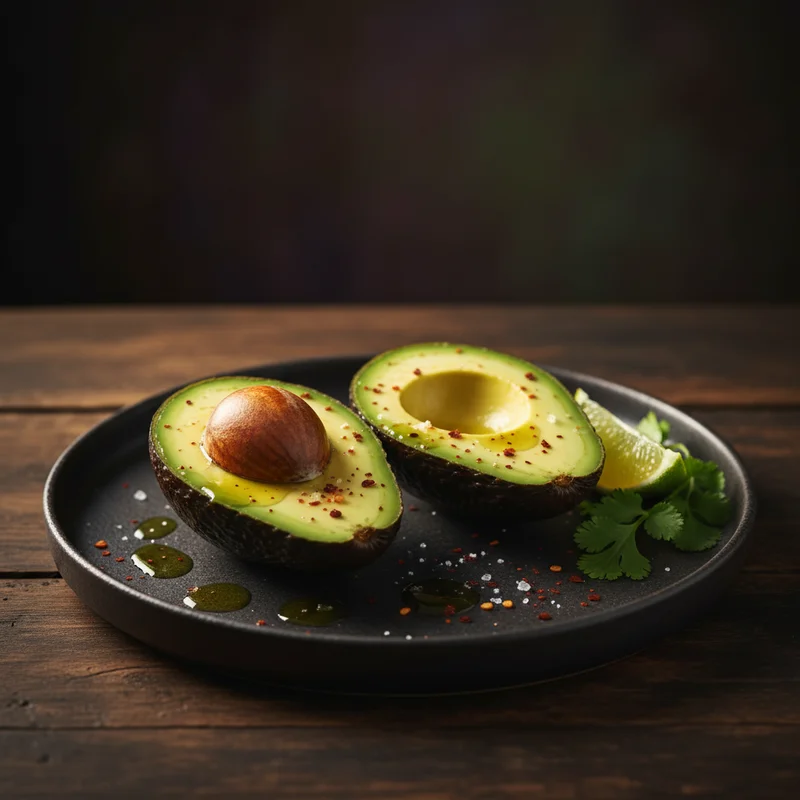
The fruit millennials allegedly traded their home ownership for. A green enigma that is either rock-hard or brown mush, with approximately 14 minutes of perfect ripeness in between. Also guacamole is extra.

VS
King Kong

King Kong

Giant ape with a thing for tall buildings.

Battle Analysis

Daily utility Avocado Wins
🏆 Avocado takes this round

Avocado

The practical applications of the avocado extend far beyond its role as toast topping or guacamole base. The fruit provides essential fatty acids, potassium, and various vitamins that contribute meaningfully to human nutrition. Its oil serves both culinary and cosmetic purposes, appearing in everything from high-end skincare to industrial lubricants. The avocado stone has found application in biodegradable plastics development, whilst the leaves are used medicinally in traditional practices across Central America. On any given day, hundreds of millions of humans interact directly with avocado products. The fruit has become so integral to modern dining that many restaurants consider it a fundamental ingredient rather than a specialty item.

King Kong

King Kong's utility, whilst less tangible than that of edible produce, nonetheless serves significant psychological and cultural functions. The character provides entertainment, escapism, and emotional catharsis to millions of viewers annually. Kong's narrative—a beast misunderstood, a creature out of place, a symbol of nature's grandeur—offers therapeutic value in its exploration of themes that resonate deeply with human experience. The character has inspired generations of filmmakers, writers, and artists, serving as a creative catalyst whose influence permeates contemporary entertainment. However, one cannot spread King Kong on toast, nor does one encounter the giant ape during one's morning routine with any regularity.

VERDICT

The avocado's tangible daily presence in human nutrition and lifestyle comprehensively outweighs Kong's periodic entertainment value.
Symbolic value King Kong Wins
🏆 King Kong takes this round

Avocado

The avocado has evolved into one of the most potent symbols of contemporary Western culture. It represents health consciousness, environmental awareness (despite its significant water footprint), and a particular approach to lifestyle that prioritises self-care and aesthetic presentation. The fruit has become emblematic of generational identity, with "avocado toast" serving as cultural shorthand for millennial values and priorities. Economists have seriously debated the "avocado toast theory" of housing affordability, demonstrating the fruit's transcendence into sociological discourse. The avocado symbolises abundance, wellness, and a certain aspirational approach to daily existence that speaks to contemporary anxieties and aspirations simultaneously.

King Kong

King Kong embodies some of humanity's most profound and enduring themes. The great ape represents nature's awesome power, the consequences of human exploitation, and the tragedy of beings displaced from their natural environments. Kong symbolises the beauty in the beast, the nobility of creatures dismissed as monsters, and the destructive capacity of human interference with the natural order. Feminist scholars have analysed the character's relationship with his female co-stars as commentary on gender dynamics, whilst postcolonial critics examine the racial subtexts embedded within the original narrative. King Kong has become a philosophical touchstone, a symbol whose meaning shifts and deepens with each generation's interpretation.

VERDICT

Kong's layered symbolism addressing nature, humanity, and tragedy possesses greater philosophical depth than the avocado's lifestyle signification.
Global recognition Avocado Wins
🏆 Avocado takes this round

Avocado

The avocado has achieved a level of universal recognition that would have seemed impossible merely three decades ago. From the breakfast tables of Sydney to the street vendors of Mexico City, from Michelin-starred establishments in Paris to corner shops in Manchester, the distinctive green flesh and rough exterior of Persea americana requires no introduction. The fruit has become so embedded in contemporary consciousness that it serves as shorthand for millennial culture itself. Search engine data reveals that "avocado" generates over 100 million queries annually, whilst the fruit maintains active presence across every major social media platform. Its image adorns merchandise, its emoji sees billions of uses, and its name has entered common parlance as both noun and cultural reference point.

King Kong

King Kong occupies a singular position in global cinema, recognised instantaneously by audiences who have never seen a single frame of his films. The image of a giant ape atop a skyscraper has transcended its 1933 origins to become one of the most reproduced and referenced visuals in entertainment history. From Tokyo to Toronto, the name "King Kong" requires no translation or explanation. The character has appeared in films produced across multiple continents, been referenced in thousands of other media properties, and remains a touchstone for discussions of cinema's power. Universal Studios' theme park attractions draw millions annually, whilst the character's likeness appears on merchandise spanning nearly a century of production.

VERDICT

The avocado's daily presence in billions of lives worldwide edges out Kong's impressive but less frequent cultural touchpoints.
Environmental impact King Kong Wins
🏆 King Kong takes this round

Avocado

The environmental footprint of the avocado industry presents a troubling paradox. A single avocado requires approximately 320 litres of water to produce, placing enormous strain on water resources in growing regions. In Michoacan, Mexico, which produces the majority of the world's avocados, illegal deforestation has accelerated to meet global demand, with thousands of hectares of forest cleared annually. The carbon emissions associated with transporting avocados from South America to European and Asian markets are substantial. Pesticide use in conventional avocado farming affects local ecosystems and worker health. Yet the industry also provides livelihoods for millions and has driven investment in sustainable agricultural practices in response to consumer pressure.

King Kong

As a fictional entity, King Kong's direct environmental impact is precisely zero. The character consumes no resources, produces no emissions, and requires no water. However, the film industry that produces Kong's various incarnations carries its own environmental burden—film sets, transportation of crews and equipment, and the energy demands of CGI rendering all contribute to carbon emissions. The 2005 Peter Jackson production reportedly generated significant environmental impact during its New Zealand filming. Conversely, Kong's narratives consistently emphasise environmental themes, potentially influencing millions of viewers toward greater ecological consciousness. The character's stories advocate implicitly for the preservation of wild spaces and respect for nature's grandeur.

VERDICT

Kong's minimal direct environmental footprint and ecological messaging contrast favourably with avocado cultivation's significant resource demands.
Historical significance Avocado Wins
🏆 Avocado takes this round

Avocado

Archaeological evidence confirms avocado consumption in Mesoamerica dating back 10,000 years, making the fruit one of humanity's oldest cultivated crops. The Aztecs attributed mystical and aphrodisiacal properties to the fruit, whose name derives from the Nahuatl word "ahuacatl." Spanish conquistadors documented the avocado in the 16th century, though it remained largely unknown outside the Americas until the 20th century. The transformation of the avocado from obscure tropical fruit to global commodity represents one of modern agriculture's most remarkable success stories, driven by California growers' marketing efforts and the health food movement of the 1980s and 1990s.

King Kong

King Kong's premiere on 2 March 1933 marked a watershed moment in cinema history. The film pioneered revolutionary special effects techniques that would influence filmmaking for decades. Kong became one of the first true blockbusters, saving RKO Pictures from bankruptcy and demonstrating cinema's capacity for spectacular fantasy. The character's influence on subsequent monster films—from Godzilla to Jurassic Park—is incalculable. Each remake has reflected its era's technological capabilities and cultural preoccupations, making Kong a living record of cinema's evolution. The 1933 film is preserved in the United States National Film Registry as culturally significant.

VERDICT

Ten millennia of human cultivation and cultural significance substantially predates Kong's ninety years of cinematic history.
👑

The Winner Is

Avocado

Takes 3 of 5 rounds

This comparison between creamy green fruit and colossal fictional primate has revealed unexpected depths in both subjects. The avocado's daily omnipresence, its role in billions of human meals annually, and its remarkable journey from Mesoamerican cultivation to global cultural phenomenon represent achievements of genuine magnitude. King Kong's profound symbolic resonance, his influence on an entire industry, and his capacity to embody humanity's complex relationship with nature speak to different but equally valid forms of significance.

The avocado prevails in this analysis not through any diminishment of Kong's considerable legacy, but through the sheer frequency and intimacy of human interaction with the fruit. One encounters avocados in supermarkets, restaurants, and home kitchens with a regularity that Kong, despite his considerable stature, simply cannot match. The fruit has woven itself into the fabric of contemporary existence in a manner that few entities, fictional or otherwise, have ever achieved.

Yet Kong's influence should not be underestimated. The great ape continues to inspire filmmakers, captivate audiences, and provoke philosophical discussion nearly a century after his debut. In symbolic depth and emotional resonance, Kong offers something the avocado, for all its nutritional virtues, cannot provide. Both, in their respective domains, have achieved a form of immortality—one through relentless daily consumption, the other through enduring cultural memory.

Share this battle

More Comparisons