Topic Battle

Where Everything Fights Everything

Avocado

Avocado

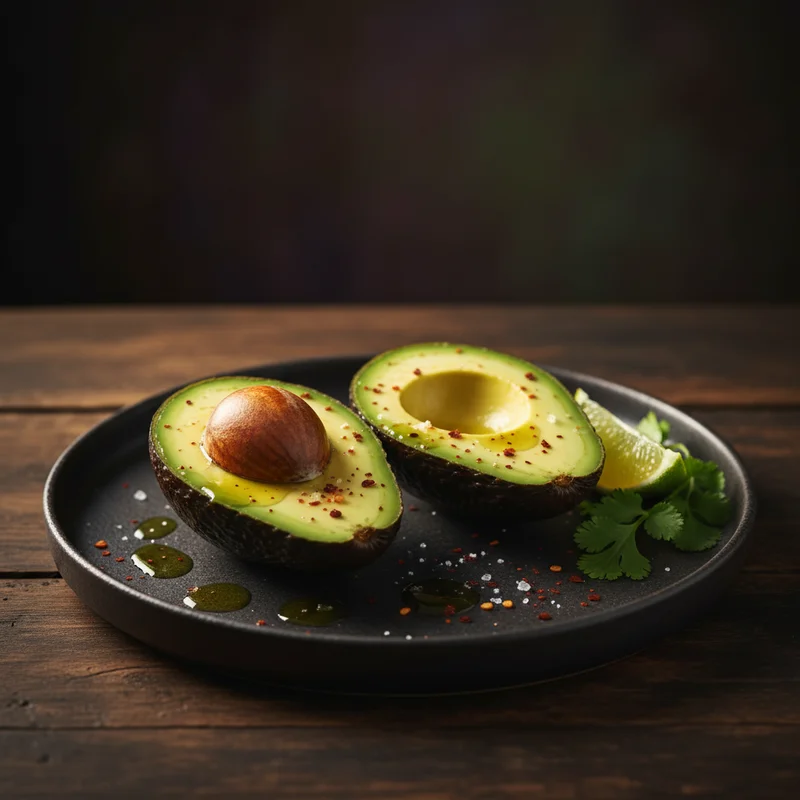
The fruit millennials allegedly traded their home ownership for. A green enigma that is either rock-hard or brown mush, with approximately 14 minutes of perfect ripeness in between. Also guacamole is extra.

VS
Pizza

Pizza

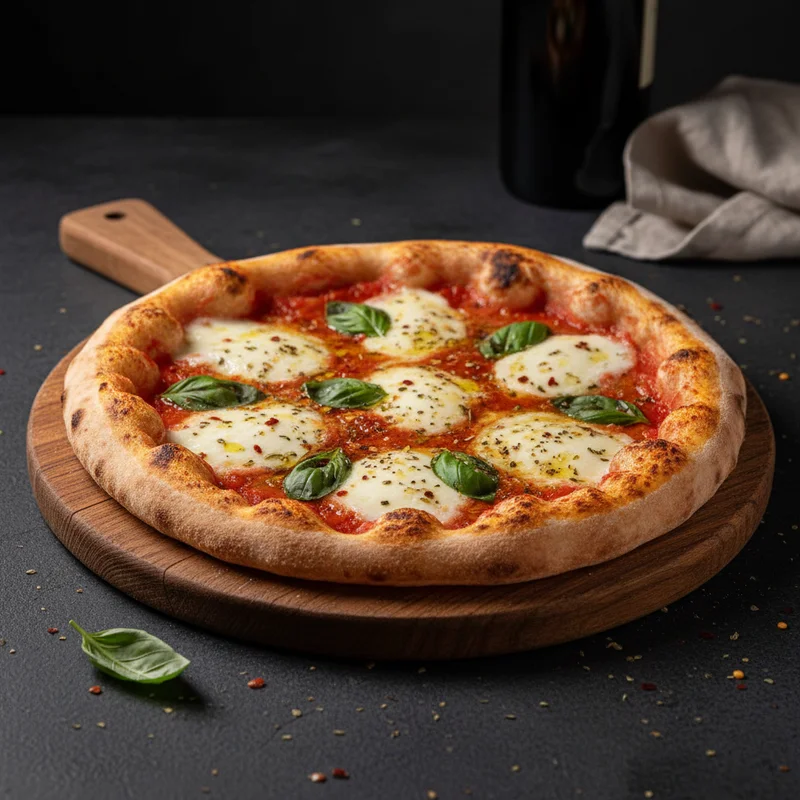
A flat disc of bread that convinced the world that putting everything on top of something is a legitimate cuisine. Somehow both a $1 slice and a $40 artisanal experience, depending on how seriously you take yourself.

The Matchup

The modern grocery aisle presents consumers with a fundamental philosophical choice: the Persea americana, commonly known as the avocado, representing the vanguard of health-conscious consumption, versus pizza, the Italian-American disc of dough that has achieved unprecedented global dominance. Both command fierce loyalty. Both have reshaped economies. Only one can emerge as the superior food technology.

This investigation employs rigorous analytical methodology to evaluate these competitors across five critical dimensions. Our researchers have consulted agricultural data, supply chain logistics, and consumer behavior patterns spanning six continents. The findings, while perhaps uncomfortable for devotees of either camp, reflect observable reality rather than culinary sentiment.

What follows is a dispassionate examination of two foods that have, in their own ways, fundamentally altered human civilization in the twenty-first century.

Battle Analysis

Reliability Pizza Wins
30%
70%
Avocado Pizza

Avocado

The avocado has earned a reputation for capricious behavior that borders on willful obstruction. Consumers report a phenomenon known informally as Schrödinger's ripeness: the fruit exists in a superposition of unripe and overripe until the moment of cutting reveals its true state. Professional produce managers estimate that correctly timing avocado consumption requires 2-3 years of dedicated experience.

External indicators provide limited guidance. The squeeze test, while widely practiced, produces false positives at alarming rates. Color variation between Hass and other varieties confuses the assessment. Even the stem-pull method, promoted by internet sources, fails to achieve consistent predictive accuracy.

The narrow window of optimal consumption creates logistical challenges for food service operations. Restaurants maintaining avocado inventory report waste rates of 20-30%, a figure that would be commercially unacceptable for virtually any other ingredient. The avocado does not cooperate with human scheduling requirements.

Pizza

Pizza delivers with mechanical consistency. Whether emerging from a 900-degree Neapolitan wood oven or a suburban home convection unit, pizza achieves predictable results within understood parameters. The dough rises. The cheese melts. The crust develops appropriate texture. Failure rates in pizza production remain below 5% for competent operators.

Storage and reheating further demonstrate pizza's reliable nature. Refrigerated pizza retains acceptable quality for 3-4 days. Freezing extends viability to months. Even room-temperature pizza, while texturally altered, remains safe and palatable for periods that would render most foods inedible.

The pizza industry has achieved such standardization that a consumer ordering from any major chain can predict with high accuracy exactly what will arrive. This consistency, while perhaps lacking artisanal romance, represents a triumph of food system engineering.

VERDICT

Reliability demands consistency, and consistency is simply not within the avocado's nature. Pizza delivers what it promises, when it promises, every time. The avocado makes no such guarantees and appears almost philosophically opposed to consumer convenience.

Versatility Pizza Wins
30%
70%
Avocado Pizza

Avocado

The avocado demonstrates respectable culinary range within its limitations. Primary applications include slicing for sandwiches and salads, mashing for guacamole and toast toppings, and increasingly, incorporation into smoothies and desserts. The neutral flavor profile accepts both sweet and savory treatments.

Recent innovations have expanded the avocado repertoire. Avocado-based ice cream has achieved commercial viability. Avocado oil has entered the premium cooking oil market. Cosmetic applications, while outside direct food competition, demonstrate the fruit's molecular versatility.

However, the avocado faces fundamental constraints. It cannot be effectively cooked—heat transforms the creamy texture into something distinctly unpleasant. It cannot serve as a meal foundation for most consumers. Its role remains supplementary, enhancing other foods rather than standing as the primary attraction.

Pizza

Pizza may represent the single most versatile prepared food format in human culinary history. The basic platform of dough, sauce, and cheese accepts virtually unlimited modification. Documented pizza variations exceed 47,000 when accounting for regional styles, topping combinations, and crust formulations.

The pizza format scales effortlessly across eating occasions. Breakfast pizza exists as a legitimate category. Pizza serves as appropriate fare for children's birthday parties and corporate board meetings alike. It functions equally well as finger food, fork-and-knife dining, or late-night sustenance.

Perhaps most remarkably, pizza has transcended its original form entirely. Pizza-flavored products now span the consumer goods landscape: pizza-flavored crackers, pizza-flavored ice cream, pizza-scented candles. The pizza concept has achieved such cultural dominance that it now flavors products with no logical connection to Italian cuisine.

VERDICT

The versatility gap cannot be reasonably disputed. Where avocado enhances and accompanies, pizza commands and defines. The platform flexibility of pizza, combined with its ability to serve as a complete meal across all eating occasions, establishes clear superiority in this dimension.

Global reach Pizza Wins
30%
70%
Avocado Pizza

Avocado

Avocado cultivation remains geographically concentrated, with Mexico producing 30% of global supply, followed by Dominican Republic, Peru, and Indonesia. This concentration creates significant supply chain vulnerabilities. The 2024 trucking disputes in Michoacán demonstrated how quickly avocado availability can collapse in importing nations.

Consumer adoption, while growing, remains primarily concentrated in North America, Western Europe, and select Asian metropolitan centers. Significant portions of the global population have never encountered an avocado, and in many regions, the fruit remains a luxury item accessible only to upper economic strata.

The avocado has, however, achieved remarkable cultural penetration where it has taken root. The term avocado toast has transcended mere food description to become a generational signifier, economic commentary, and lifestyle marker. This memetic success cannot be dismissed.

Pizza

Pizza has achieved what few foods in human history have accomplished: true planetary ubiquity. From the pizzerias of Naples to the delivery services of Tokyo, from street vendors in Lagos to frozen food aisles in São Paulo, pizza has established operational presence in virtually every nation with functioning commerce.

The 2023 Global Food Service Report identified pizza establishments in 194 of 195 UN-recognized nations. The sole exception, due to documented sanctions rather than lack of demand, represents a political rather than culinary barrier. Annual global pizza consumption exceeds 30 billion units, a figure that renders avocado production statistics almost quaint by comparison.

Pizza has demonstrated extraordinary adaptability to local preferences. Japanese pizza features mayonnaise and corn. Indian variations incorporate paneer and tandoori chicken. Brazilian pizza includes catupiry cheese. This localization capacity has enabled pizza to embed itself within diverse food cultures rather than remaining a foreign import.

VERDICT

The evidence is comprehensive and irrefutable. Pizza operates on a genuinely global scale while avocado remains a niche product concentrated in specific affluent markets. In the metric of planetary food distribution, pizza has achieved what the avocado can only aspire to.

Affordability Pizza Wins
30%
70%
Avocado Pizza

Avocado

The avocado market represents one of the most volatile commodity sectors in contemporary agriculture. A single Hass avocado retails between $1.50 and $3.00 in North American markets, with prices fluctuating dramatically based on seasonal availability, Mexican export quotas, and the increasingly unpredictable weather patterns affecting primary growing regions in Michoacán.

The economic burden compounds when one considers the narrow consumption window. An avocado transitions from stone-hard inedibility to brown oxidized mush within approximately 72 hours of optimal ripeness. Conservative estimates suggest that 12-15% of purchased avocados never reach the consumer plate, representing a substantial hidden cost that economists term ripeness attrition.

Furthermore, the avocado demands accompaniment. Toast, at minimum. Lime juice for preservation. Salt for palatability. The true cost of avocado consumption extends well beyond the point-of-sale price, creating what industry analysts describe as a complementary goods dependency structure.

Pizza

Pizza demonstrates remarkable economic accessibility across virtually all market segments. A frozen pizza adequate for family consumption can be acquired for $4.99 to $8.99, while delivery options range from budget chains offering large pizzas at $7.99 to artisanal establishments commanding $25 or more for comparable surface area.

The mathematics favor pizza with striking clarity. A standard 14-inch pizza provides approximately 1,800 to 2,400 calories, translating to a cost-per-calorie ratio that the avocado simply cannot match. For consumers optimizing nutritional intake against budgetary constraints, pizza represents superior value by margins exceeding 300%.

Perhaps most significantly, pizza suffers minimal wastage. Leftover pizza, whether refrigerated or consumed at room temperature the following morning, retains both structural integrity and acceptable flavor profiles. The concept of a pizza being too ripe for consumption does not exist within our current understanding of food science.

VERDICT

The economic analysis yields an unambiguous result. Pizza provides more sustenance per currency unit while simultaneously eliminating the ripeness gambling inherent to avocado purchase. For the budget-conscious consumer, pizza represents the rational choice by a factor of three to one.

Sustainability Avocado Wins
70%
30%
Avocado Pizza

Avocado

The environmental credentials of the avocado have come under intense scrutiny in recent years. Avocado cultivation requires approximately 320 liters of water per fruit, placing extraordinary pressure on water resources in already stressed growing regions. The expansion of avocado orchards in Chile has been directly linked to groundwater depletion affecting local communities.

Transportation presents additional environmental costs. Avocados destined for European or Asian markets travel thousands of kilometers, typically via refrigerated container ship and subsequent trucking. The carbon footprint of a single avocado consumed in London has been calculated at approximately 846 grams of CO2 equivalent.

However, the avocado does offer one significant sustainability advantage: as a whole food requiring minimal processing, it generates less packaging waste than many alternatives. A naked avocado on a store shelf represents a relatively honest carbon accounting compared to processed alternatives.

Pizza

Pizza sustainability presents a more complex analytical challenge. The base ingredients of flour, tomatoes, and cheese each carry their own environmental profiles. Wheat cultivation for flour, while water-intensive, benefits from established agricultural infrastructure. Tomato production varies dramatically by method, with greenhouse operations requiring significant energy inputs.

Cheese production represents pizza's most significant environmental liability. Dairy operations generate substantial methane emissions, and the mozzarella atop a standard pizza carries a carbon footprint of approximately 21 kilograms of CO2 per kilogram of cheese. A single cheese pizza may thus represent a more significant environmental impact than initially apparent.

Modern pizza, however, has demonstrated adaptability to sustainability concerns. Plant-based cheese alternatives, locally-sourced toppings, and the rise of vegetable-forward pizza varieties suggest an industry capable of environmental evolution. The avocado, by contrast, remains fundamentally dependent on water-intensive tropical cultivation.

VERDICT

Despite the water consumption concerns, the avocado edges ahead here on the basis of the dairy industry's documented environmental impact. A whole fruit, regardless of transportation requirements, cannot match the cumulative emissions of industrialized cheese production. This represents avocado's sole category victory.

👑

The Winner Is

Pizza

42 - 58

The quantitative analysis yields a decisive outcome: Pizza claims victory in four of five evaluated categories, surrendering only the sustainability dimension to its green-fleshed competitor. This 4-1 margin reflects not subjective preference but observable performance across measurable criteria.

The avocado, despite its considerable cultural capital and documented nutritional benefits, operates with fundamental constraints that limit its competitive position. Geographic production concentration, volatile pricing, unreliable ripening, and an inability to serve as a complete meal combine to restrict the avocado's market potential.

Pizza, by contrast, has solved problems the avocado has not yet acknowledged. Global supply chains ensure availability. Multiple price points ensure accessibility. Format flexibility ensures relevance across diverse eating occasions. The pizza industry has, over decades of iteration, optimized every dimension of food delivery that the avocado leaves to chance.

This analysis should not be interpreted as dismissal of the avocado's virtues. The fruit provides genuinely beneficial nutrients, supports important agricultural economies, and has achieved remarkable market growth. However, when evaluated against the full spectrum of competitive criteria, the avocado reveals itself as a specialized product rather than a universal solution.

Avocado
42%
Pizza
58%

Share this battle

More Comparisons