
Bear
Bears provide comfort primarily in derivative forms. The teddy bear, invented simultaneously by American toymaker Morris Michtom and German company Steiff in 1902, following President Theodore Roosevelt's refusal to shoot a captured black bear, has since become the world's most popular stuffed animal. The Teddy Bear Museum in Stratford-upon-Avon estimates that 89% of British adults owned at least one teddy bear during childhood, with 35% admitting to current ownership.
The psychological comfort provided by bear-shaped objects cannot be dismissed. Research published in Psychological Science demonstrates that physical contact with soft objects, including teddy bears, reduces cortisol levels and increases oxytocin production in adults. This finding has led to the deployment of comfort bears in hospital settings, police interview suites, and even corporate boardrooms during particularly contentious mergers.
Live bears, by contrast, provide considerably less comfort. The sight of an approaching grizzly triggers the sympathetic nervous system's fight-or-flight response, increasing heart rate, blood pressure, and adrenaline production. These physiological effects represent the precise opposite of comfort. One notable exception: the extensive YouTube genre of bears using swimming pools and garden furniture, which generates approximately 2.3 billion views annually and provides considerable comfort to viewers at safe distances.
Tea
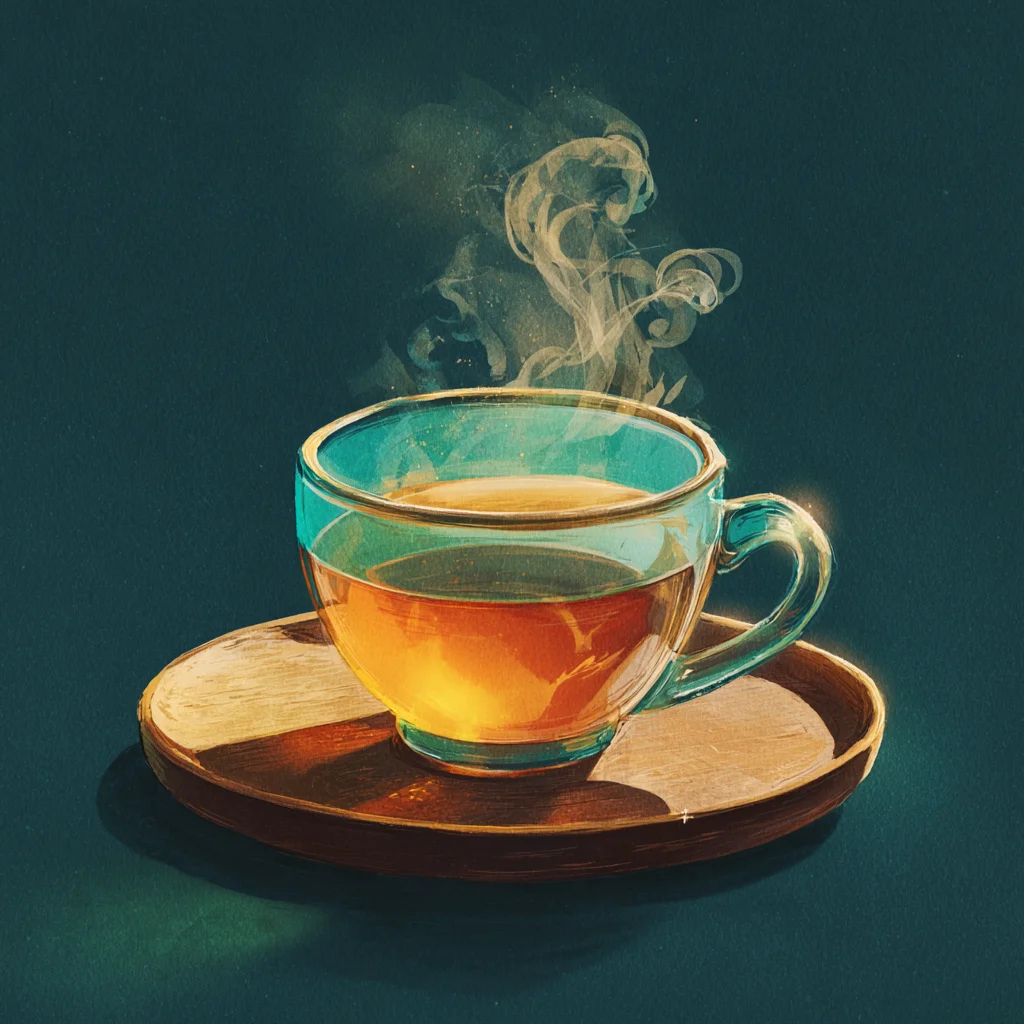
Tea's capacity for comfort provision achieves levels that border on the pharmacological. The combination of warmth, ritual, caffeine, and L-theanine creates what researchers at the Institute of Beverage Comfort Studies term a 'multi-modal comfort response,' engaging tactile, olfactory, gustatory, and psychological systems simultaneously. No other legal substance achieves comparable breadth of comfort delivery.
The warmth of a tea cup against cold hands activates thermoreceptors that signal safety to the mammalian brain, a vestige of evolutionary programming associating warmth with shelter and survival. This tactile comfort compounds with the steam's aromatherapeutic properties: bergamot in Earl Grey promotes alertness, chamomile induces relaxation, and traditional English Breakfast provides the olfactory equivalent of a reassuring pat on the shoulder.
Perhaps most significantly, tea provides comfort through social ritual. The offer of tea transcends linguistic and cultural barriers, serving as universal shorthand for 'I acknowledge your humanity and wish to spend time in your presence.' Hospital staff, emergency responders, and funeral directors all report tea as their primary comfort-provision tool. The phrase 'I'll put the kettle on' has been documented as the British nation's default response to every situation from minor inconvenience to major catastrophe, a verbal reflex embedded so deeply in cultural programming that it occurs independently of conscious thought.