
Capybara
The capybara offers remarkable accessibility for those wishing to experience its charms. The species inhabits every South American country except Chile, appearing in wetlands, rivers, and increasingly suburban parks throughout the continent. Capybara cafes in Japan permit direct interaction—visitors may pet, photograph, and simply coexist with these agreeable rodents for a modest fee. Zoos worldwide maintain capybara populations, often in petting sections where children may experience the creature's legendary tolerance firsthand. The animal requires no special equipment to observe, no expedition to locate, no survival training to approach. One might encounter a capybara whilst walking beside a Brazilian river, lounging in a hot spring, or visiting one's local wildlife park. This is democratised charisma—natural wonder made available to the masses without sacrifice or suffering.
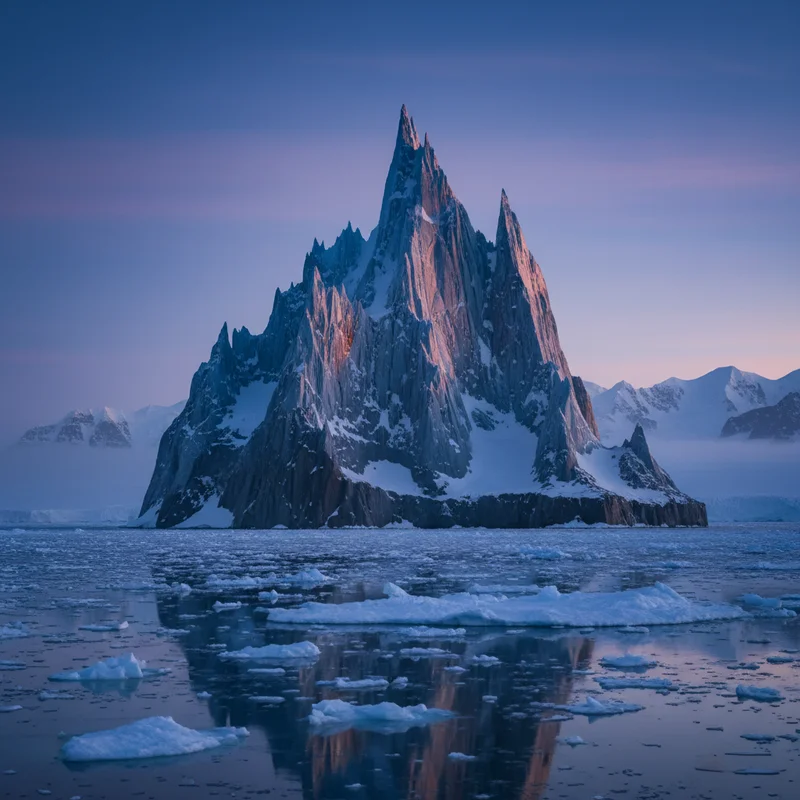
Antarctica
Reaching Antarctica requires either significant financial resources or scientific credentials—preferably both. Tourist expeditions from Ushuaia, Argentina, cost between $5,000 and $50,000 depending on duration and luxury level. The Drake Passage crossing, notorious for violent seas, tests the constitution of even experienced sailors. Once arrived, visitors face strict environmental protocols: no approaching wildlife within specified distances, no removing so much as a pebble, no leaving any waste whatsoever. The continent offers no permanent human settlements, no hotels, no restaurants. Experiencing Antarctica requires commitment that borders on devotion—weeks of preparation, days of travel, and considerable expense. Yet this very inaccessibility contributes to Antarctica's mystique. The difficulty of arrival transforms the experience into pilgrimage, the destination into something approaching the sacred.