Capybara
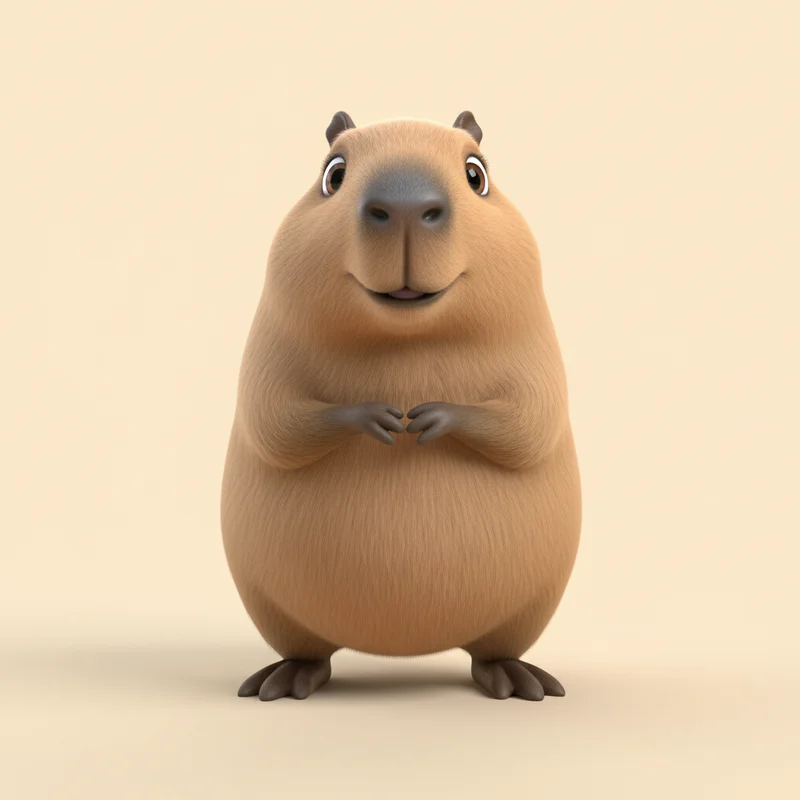
The capybara demonstrates exceptional biological durability within its ecological niche, with wild specimens achieving lifespans of 8 to 10 years and captive individuals routinely exceeding 12 years under appropriate care conditions. This longevity compares favourably with similarly-sized mammals and substantially exceeds the functional lifespan of most consumer goods.
Anatomical investigation reveals several durability-enhancing adaptations. The capybara possesses continuously growing teeth that self-sharpen through opposing contact, eliminating the dental degradation that limits many mammalian species. Their barrel-shaped physiology distributes mechanical stress efficiently, whilst webbed feet provide hydrodynamic stability without the joint wear associated with purely terrestrial locomotion.
Perhaps most significantly, the capybara exhibits remarkable self-repair capabilities. Minor injuries heal through standard mammalian regenerative processes, a feature that flat-pack furniture has thus far failed to replicate despite decades of Swedish engineering effort. A capybara that sustains damage does not require replacement parts from a warehouse in southern Sweden.
IKEA Furniture
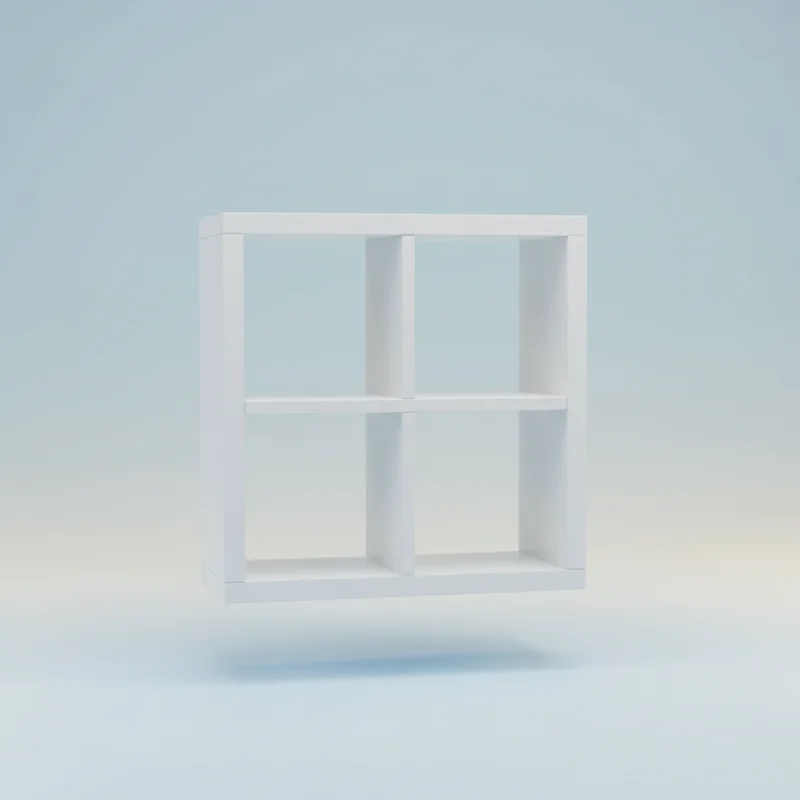
IKEA furniture durability presents a statistically complex picture that company marketing materials address with strategic selectivity. Particle board constructions, which comprise the majority of affordable product lines, demonstrate typical service lives of 5 to 10 years under conditions of stationary domestic use.
The limiting factor in IKEA furniture longevity proves to be the cam-lock and dowel joinery system, which industry analysts have characterised as optimised for single assembly rather than lifetime performance. Research conducted by consumer advocacy organisations indicates that approximately 14% of IKEA furniture experiences structural failure during initial relocation attempts, as the fastening mechanisms were not engineered to withstand repeated disassembly cycles.
Moisture represents a particular vulnerability. Medium-density fibreboard components demonstrate pronounced sensitivity to humidity exposure, with swelling and delamination occurring within hours of significant water contact. A MALM dresser exposed to bathroom humidity levels shows measurable degradation within eighteen months, whilst solid wood alternatives such as the HEMNES series achieve improved performance at corresponding price premiums.
VERDICT
The durability assessment yields unambiguous results favouring the capybara through fundamental biological advantages. Whilst IKEA furniture requires careful environmental control and benefits from the absence of children, pets, or relocation events, the capybara maintains structural integrity across diverse and challenging conditions.
The capybara's capacity for autonomous self-repair represents a durability feature that furniture manufacturers have not successfully implemented despite considerable investment. Additionally, a capybara does not experience the progressive loosening of cam-lock mechanisms that characterises furniture ageing. The rodent's victory in this category reflects millions of years of evolutionary optimisation against which eight decades of Swedish design cannot yet compete.