Capybara
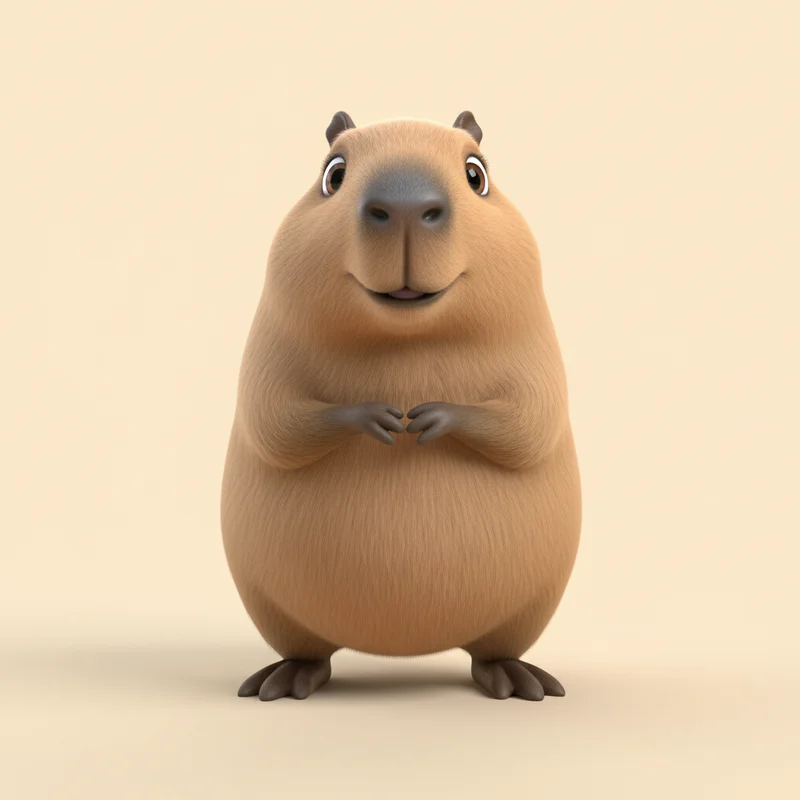
The capybara has experienced a remarkable cultural renaissance in the digital age. Once known primarily to South American farmers and specialist zoologists, it has become an internet phenomenon, appearing in countless memes celebrating its extraordinary capacity to simply vibe. The phrase "capybara energy" has entered the popular lexicon, denoting a state of unbothered contentment that millions aspire to achieve. Japanese onsen capybara videos accumulate hundreds of millions of views. The capybara has become a symbol of tranquillity in an increasingly anxious world, achieving cultural penetration through sheer likability rather than spectacle.
King Kong
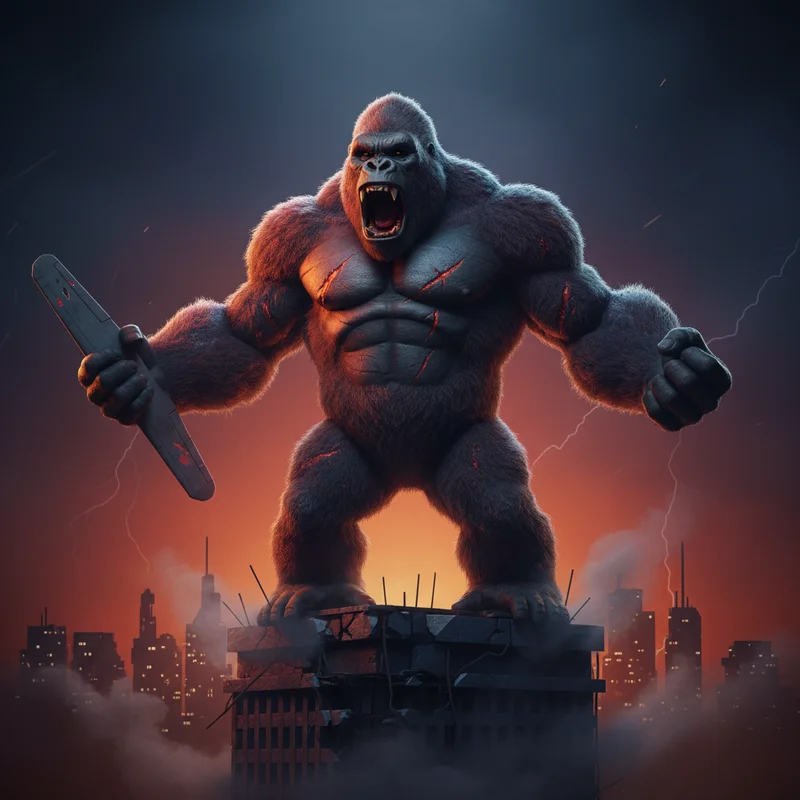
King Kong has dominated popular culture since 1933, spawning numerous films, television appearances, and crossover events with other giant monsters. He represents humanity's complex relationship with nature, power, and the allure of the untameable. Academic papers analyse his symbolic significance. The image of Kong atop the Empire State Building remains one of cinema's most iconic moments. Yet one might argue that Kong's cultural impact derives primarily from fear and spectacle rather than genuine affection. People admire Kong from a distance, whilst they simply love capybaras with unguarded enthusiasm.