Topic Battle

Where Everything Fights Everything

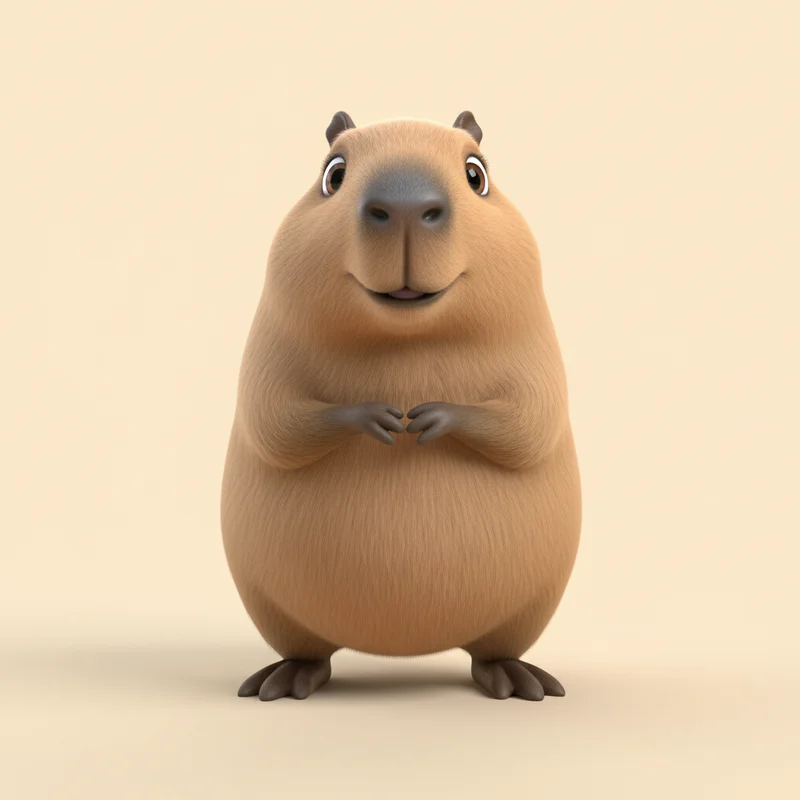
Capybara

Capybara

The world's largest rodent and unofficial mascot of unbothered living. A creature so chill that every other animal wants to sit on it. Has achieved a level of inner peace most humans will never know.

VS
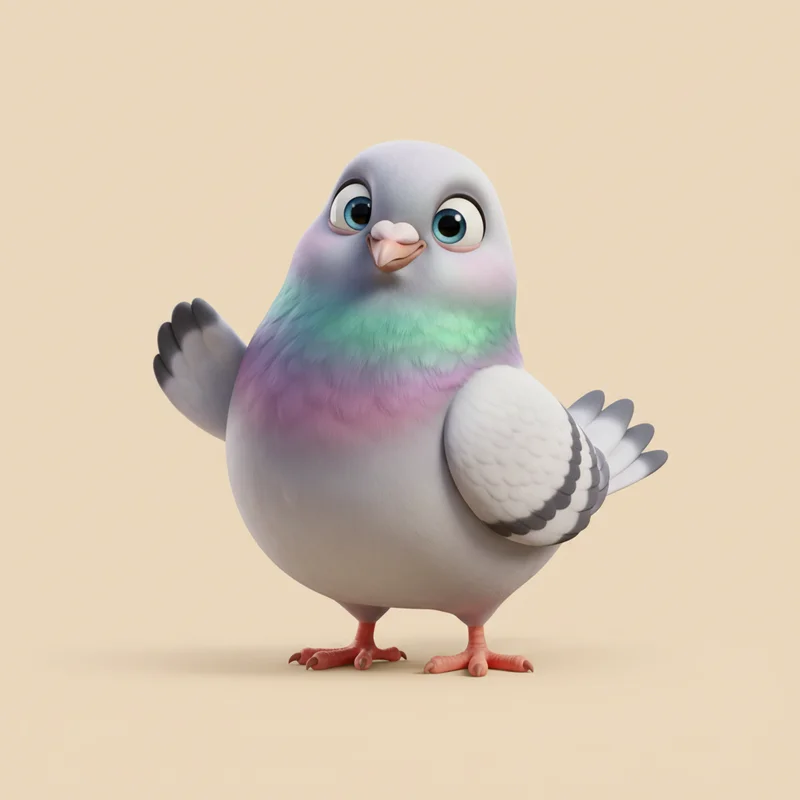
Pigeon

Pigeon

Urban survivor, descendant of war heroes, professional breadcrumb enthusiast. Either a "rat with wings" or a "rock dove" depending on whether you're trying to sound sophisticated. Has seen things. Judges you anyway.

The Matchup

In the vast catalogue of species that have learned to navigate human civilization, two creatures stand apart for their remarkable adaptive strategies: Hydrochoerus hydrochaeris, the capybara, and Columba livia domestica, the common pigeon.

The capybara, Earth's largest living rodent, has achieved something extraordinary in the animal kingdom: universal likability. Weighing up to 140 pounds and measuring nearly four feet in length, this South American native has cultivated an aura of peaceful benevolence that transcends species boundaries. Photographs regularly emerge of capybaras tolerating birds perched upon their heads, monkeys clinging to their backs, and even crocodiles basking alongside them without incident.

The pigeon, by contrast, pursued an entirely different evolutionary gambit. Rather than charm its way into human acceptance, Columba livia simply refused to leave. With an estimated 400 million urban residents worldwide, the pigeon has achieved global dominance through persistence, adaptability, and a complete disregard for human preferences regarding their presence.

Both species now share the distinction of being among the most recognizable animals on Earth. Yet their methodologies could not differ more fundamentally: one is invited everywhere, the other invites itself.

Battle Analysis

Durability Capybara Wins
70%
30%
Capybara Pigeon

Capybara

The capybara demonstrates substantial biological longevity in favorable conditions, with wild specimens achieving lifespans of 8-10 years and captive individuals regularly exceeding 12 years under proper care.

More remarkable is the capybara's psychological durability. This species maintains its characteristic placidity under circumstances that would induce stress responses in virtually any other mammal. Capybaras have been documented remaining calm while surrounded by apex predators, tolerating the attentions of dozens of other species simultaneously, and navigating human environments with what observers describe as Zen-like equanimity. The capybara appears to have evolved beyond the concept of stress itself.

Their semi-aquatic physiology provides additional resilience. Capybaras can hold their breath for up to five minutes, regulate body temperature through water immersion, and escape terrestrial threats by simply submerging. This aquatic capability serves as an organic escape mechanism that requires no energy expenditure beyond swimming away from one's problems.

Pigeon

Urban pigeons achieve average lifespans of 3-6 years in metropolitan environments, though protected specimens have been documented surviving beyond 15 years. The oldest recorded pigeon reached 35 years of age, suggesting substantial biological potential rarely realized in wild conditions.

The pigeon's durability manifests primarily through population resilience rather than individual longevity. Municipal governments have spent centuries attempting to reduce pigeon populations through deterrents, removal programs, and occasionally more aggressive measures. None have succeeded. The species absorbs losses through prolific breeding, compensating for individual mortality through sheer reproductive output.

Pigeons demonstrate remarkable tolerance for urban pollutants, dietary inconsistency, and environmental stressors that would compromise more delicate species. A pigeon can subsist on discarded chips, contaminated water sources, and scraps of dubious nutritional value while maintaining reproductive capacity. This is not elegant survival; it is persistence through sheer biological stubbornness.

VERDICT

When evaluating durability across both individual and psychological dimensions, the capybara demonstrates superior holistic resilience. While pigeons excel at population-level persistence, individual specimens face considerably shorter average lifespans and substantially higher stress levels.

The capybara's ability to maintain physiological and psychological equilibrium across diverse circumstances represents a more sophisticated durability model. A capybara lives longer, lives calmer, and has developed what appears to be an evolutionary immunity to anxiety. The pigeon survives through numbers; the capybara survives through inner peace. For sustainable long-term durability, serenity outperforms stress.

Versatility Pigeon Wins
30%
70%
Capybara Pigeon

Capybara

The capybara's functional applications prove surprisingly limited despite its considerable charm. Primary uses include zoo exhibition, exotic pet ownership in permitted jurisdictions, and increasingly, therapeutic interaction programs.

In their native range, capybaras have historically provided subsistence protein and leather, though such utilization remains geographically restricted. The species offers no particular utility for message delivery, pest control, racing, or other applications that might expand its functional portfolio.

However, the capybara demonstrates remarkable social versatility. The species successfully integrates into environments ranging from South American wetlands to Japanese hot springs to suburban backyards. Its ability to coexist with virtually any other species suggests adaptability of a different kind: social rather than functional.

Pigeon

The pigeon's historical versatility remains unmatched among non-domesticated urban species. Applications have included message delivery reliable to distances exceeding 1,000 miles, military reconnaissance, aerial photography, racing competition, meat production as squab, ornamental breeding, and scientific research.

Pigeons demonstrated pattern recognition and symbolic communication in landmark psychology experiments. They served in both World Wars as communication infrastructure when electronic alternatives failed. The species has contributed more directly to human technological and military capability than virtually any other bird.

Contemporary applications have diminished with telecommunications advancement, yet pigeons continue providing ecosystem services including organic waste processing, seed dispersal, and prey availability for urban raptors. The pigeon remains functionally versatile even if some applications have become obsolete.

VERDICT

Versatility comparison yields a clear victory for the pigeon. While the capybara excels at being universally pleasant, the pigeon has demonstrated functional utility across communication, military, sporting, agricultural, and scientific domains.

The capybara's versatility is primarily social and atmospheric. It makes environments more pleasant and makes other species more comfortable. These are genuine contributions, but they differ fundamentally from the pigeon's documented practical applications.

For demonstrable functional versatility across multiple human use cases, the pigeon's extensive service record proves decisive despite current application reduction.

Global reach Pigeon Wins
30%
70%
Capybara Pigeon

Capybara

The capybara's natural range encompasses most of South America east of the Andes, including Brazil, Venezuela, Colombia, Argentina, and surrounding nations. Total wild population estimates suggest several million individuals distributed across wetland habitats.

However, the capybara's global reach has expanded dramatically through an unexpected vector: viral internet celebrity. The species has achieved worldwide recognition through social media, with capybara content generating hundreds of millions of views annually. The phrase "OK I pull up" has become globally synonymous with capybara energy, demonstrating cultural penetration far exceeding physical geographic presence.

Capybaras now reside in zoos, sanctuaries, and as legal exotic pets across every inhabited continent. Japan has developed particular enthusiasm, with capybara hot spring experiences becoming significant tourist attractions. The capybara has achieved global mindshare despite limited physical distribution.

Pigeon

The common pigeon maintains permanent self-sustaining populations in every city on Earth exceeding modest population thresholds, spanning all inhabited continents. Estimated global urban population reaches 400 million birds, with additional feral populations in agricultural and suburban environments.

This distribution was achieved through autonomous biological expansion rather than deliberate human introduction. While pigeons were originally domesticated in the Middle East approximately 5,000 years ago, feral populations established themselves worldwide by simply following human urbanization. Every major city on every continent now hosts pigeon populations that regenerate faster than removal efforts can contain them.

The pigeon has achieved something the capybara has not: physical presence everywhere humans live. One cannot escape pigeons by relocating to another city or continent. They are already there, waiting.

VERDICT

In terms of pure geographic presence, meaningful competition does not exist. The pigeon occupies every major human population center on Earth through self-sustaining populations requiring no conservation efforts or human support.

The capybara has achieved remarkable cultural reach through digital media, but cultural awareness differs from physical presence. A person in Helsinki can appreciate capybara content; they cannot walk outside and observe a wild capybara. They can, however, observe approximately 800,000 pigeons within their metropolitan area.

For demonstrable global reach in physical rather than digital terms, the pigeon's worldwide urban dominance proves unassailable.

Social impact Capybara Wins
70%
30%
Capybara Pigeon

Capybara

The capybara has achieved something unprecedented in internet culture: universal positive sentiment. Analysis of social media engagement reveals essentially zero negative capybara content. The species has become a symbol of relaxation, acceptance, and peaceful coexistence.

This phenomenon has generated measurable social effects. Capybara-themed mental health content has achieved hundreds of millions of views. The species serves as an unlikely ambassador for stress reduction, with its characteristic placidity presented as an aspirational state of being. "Capybara energy" has entered common parlance as shorthand for unflappable calm.

Scientific research has documented the capybara's remarkable interspecies social tolerance. They form mutualistic relationships with birds that remove parasites, tolerate proximity from species that would normally trigger flight responses, and demonstrate what ethologists describe as exceptional social intelligence. The capybara appears to have solved the problem of interspecies relations through radical acceptance.

Pigeon

The pigeon's social impact proves considerably more complex. Urban populations generate significant public health concerns including disease transmission vectors, property damage through acidic droppings, and infrastructure degradation. Economic impact assessments of pigeon damage reach billions of dollars annually worldwide.

Yet the pigeon also carries substantial historical and cultural significance. The species has served as religious symbol, military communication system, and racing sport participant across multiple civilizations. Pigeons have received 32 Dickin Medals for wartime service, the animal equivalent of military honours. The dove, taxonomically identical to the pigeon, serves as humanity's primary symbol of peace.

Contemporary social impact remains decidedly mixed. Pigeons are simultaneously tolerated, removed, protected, and vilified depending on jurisdiction and circumstance. No clear consensus exists on whether their presence represents benefit or burden.

VERDICT

When measuring social impact through sentiment analysis, the capybara achieves overwhelming positive differentiation. The pigeon generates mixed-to-negative sentiment despite its historical contributions; the capybara generates essentially unanimous positive response.

The capybara has achieved the rare distinction of becoming a mental health symbol through pure behavioural observation. Its social impact extends beyond entertainment into genuine psychological benefit for human observers. No equivalent therapeutic association exists for pigeon viewing.

For net positive social impact on human wellbeing, the capybara's unique position as an interspecies wellness ambassador proves decisive.

Entertainment value Capybara Wins
70%
30%
Capybara Pigeon

Capybara

Capybara content dominates certain sectors of social media with remarkable consistency. Videos of capybaras in hot springs, capybaras hosting other animals, and capybaras simply existing peacefully routinely achieve tens of millions of views.

The entertainment value derives primarily from the capybara's unusual behavioral profile. Observers find themselves genuinely surprised by the species' calm demeanor, its tolerance of other animals, and its apparent contentment in all circumstances. A capybara being unbothered while surrounded by birds provides a form of entertainment unavailable through more conventionally engaging species.

Capybara cafes in Japan allow visitors to interact directly with the animals, generating substantial tourism revenue. The entertainment model extends from passive viewing through active participation, demonstrating commercial viability across multiple engagement formats.

Pigeon

Pigeon racing represents a multi-billion dollar global industry with particularly strong participation in Belgium, the Netherlands, and Taiwan. Champion racing pigeons have sold for prices exceeding $1.9 million USD, demonstrating entertainment value sufficient to command substantial investment.

Beyond organized racing, pigeons provide ambient urban entertainment through their predictable yet chaotic flock behaviours. The sight of pigeons scattering from an approaching pedestrian, then immediately returning to the same location, offers a form of low-stakes entertainment available free of charge in virtually any urban environment.

Pigeon feeding in public spaces, while often discouraged by authorities, provides recreational entertainment for millions of elderly residents worldwide. The species serves as an accessible point of wildlife interaction for populations with limited mobility or nature access.

VERDICT

Both species demonstrate substantial entertainment value, yet they occupy entirely different market segments. Pigeon racing appeals to specialized enthusiasts; capybara content appeals to the general population. Pigeon feeding appeals to specific demographics; capybara viewing transcends demographic boundaries.

The capybara has achieved viral entertainment status through passive behaviour alone. The species requires no training, competition structure, or organized activity to generate engagement. It simply exists, and that existence proves inherently entertaining to human observers.

For accessible, broadly appealing entertainment value requiring minimal infrastructure, the capybara's universal charm outperforms the pigeon's specialized applications.

👑

The Winner Is

Capybara

55 - 45

This documentary assessment concludes with a measured 55-45 victory for the capybara across the evaluated criteria. The capybara claims victories in Durability, Social Impact, and Entertainment Value, while the pigeon secures Global Reach and Versatility.

The pigeon represents one of nature's most successful urban colonizers, achieving worldwide distribution through persistence, adaptability, and complete indifference to human attempts at population control. It has served humanity across military, sporting, and scientific applications. Yet this success has come at the cost of reputation: the pigeon is tolerated rather than welcomed, present rather than appreciated.

The capybara pursued the opposite evolutionary strategy. Rather than forcing its presence upon human civilization, it simply became impossible to dislike. Through calm demeanor, interspecies tolerance, and an apparent capacity for contentment in all circumstances, the capybara has achieved something the pigeon never could: genuine human affection.

In the grand competition of human-adjacent species, two strategies have proven effective. One can be everywhere and be ignored. Or one can be selective in presence but universally beloved. The capybara demonstrates that in the attention economy of the modern world, quality of regard outperforms quantity of presence.

Capybara
55%
Pigeon
45%

Share this battle

More Comparisons