Where Everything Fights Everything

Capybara vs Surfing

😜 Just for fun — a tongue-in-cheek, gloriously unscientific showdown.

Capybara

Capybara

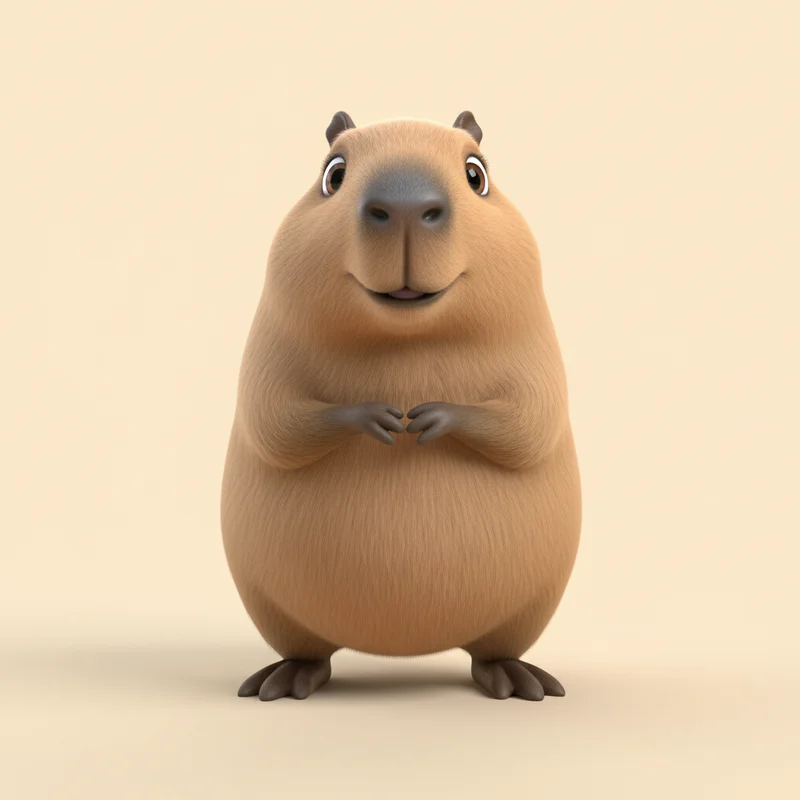
The world's largest rodent and unofficial mascot of unbothered living. A creature so chill that every other animal wants to sit on it. Has achieved a level of inner peace most humans will never know.

VS
Surfing

Surfing

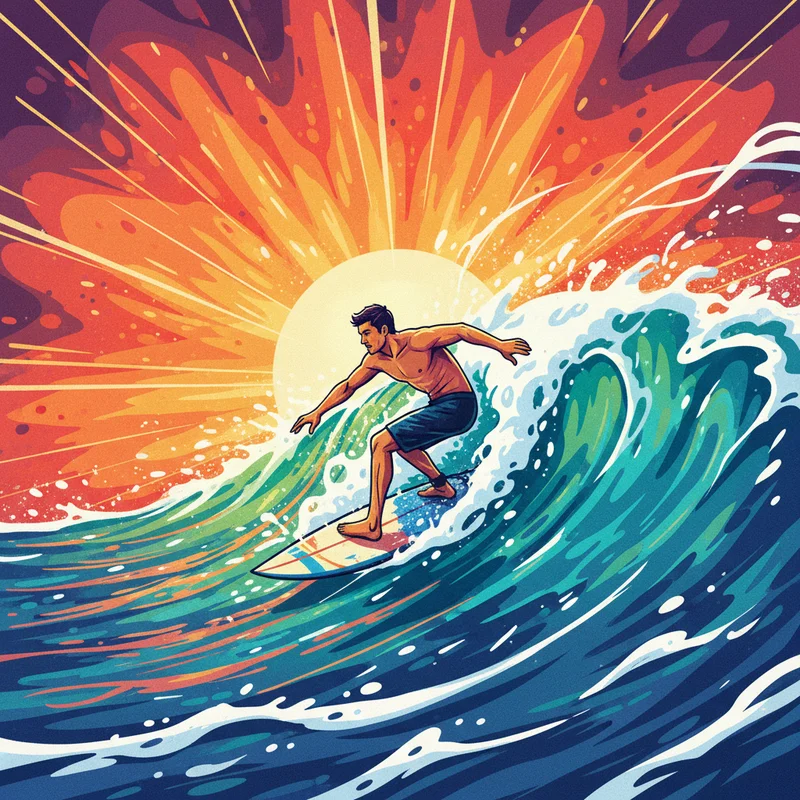
Wave-riding art form and lifestyle.

Battle Analysis

Accessibility Capybara Wins
🏆 Capybara takes this round

Capybara

The capybara presents a remarkably low barrier to entry for the aspiring enthusiast. One need not purchase equipment, master complex techniques, or even leave one's sofa to experience its benefits. A simple internet search yields countless images of these barrel-shaped philosophers lounging in hot springs, surrounded by citrus fruits, or hosting improbable gatherings of other species upon their backs. The capybara asks nothing of its audience but attention. Zoo visits provide direct encounters, whilst social media delivers an endless stream of capybara content calibrated to reduce cortisol levels. In Japan, dedicated capybara cafes permit intimate communion with these gentle giants. The learning curve is, quite simply, nonexistent. One need only observe and absorb the capybara's teachings on equanimity.

Surfing

Surfing, by contrast, demands considerable investment before yielding its rewards. The novice must first acquire a board, wetsuit, wax, and access to suitable waves. Lessons typically cost between fifty and one hundred pounds per session. Physical prerequisites include reasonable swimming ability, balance, and the capacity to be repeatedly pummelled by waves without abandoning hope entirely. Geographical constraints prove particularly challenging; landlocked populations face insurmountable obstacles. The average beginner requires twenty to thirty hours merely to stand reliably upon the board. Progress demands consistent access to appropriate conditions, a luxury unavailable to most of humanity. Even experienced surfers must contend with crowded lineups, unpredictable conditions, and equipment maintenance. The ocean does not accommodate beginners graciously.

VERDICT

The capybara delivers immediate wellness benefits with zero prerequisites, whilst surfing demands significant time, money, and physical investment.
Cultural impact Surfing Wins
🏆 Surfing takes this round

Capybara

The capybara's cultural ascendance represents one of the most unexpected phenomena of the digital age. From relative obscurity, this South American rodent has achieved global celebrity status. The phrase OK I pull up, referencing a viral capybara video, entered mainstream vernacular. Major brands now incorporate capybaras into marketing campaigns. Plush capybara toys sell in quantities that rival established characters. In Japan, capybara-themed establishments attract tourists internationally. The creature has become a symbol of resistance against hustle culture, a mascot for those who reject the tyranny of productivity in favour of simply existing peacefully. Art, music, and fashion increasingly reference the capybara aesthetic. This represents a cultural moment still gaining momentum, with no indication of peak capybara approaching.

Surfing

Surfing's cultural impact spans over a century of profound influence on global aesthetics, music, and lifestyle. The surf culture of 1960s California essentially invented the modern concept of the beach lifestyle. The Beach Boys, Jan and Dean, and countless subsequent artists built careers upon surf imagery. Board sports, streetwear, and action sports culture all trace lineage directly to surfing. Films from The Endless Summer to Point Break to Blue Crush have shaped how humanity perceives ocean adventure. Surfing's vocabulary has permeated everyday language: gnarly, stoked, wipeout. The sport achieved Olympic status in 2021, cementing its position in mainstream athletics. Fashion houses from Chanel to Prada have drawn upon surf aesthetics. This is not mere trend but foundational cultural influence spanning generations.

VERDICT

Surfing's century-long cultural influence across music, fashion, language, and sport eclipses the capybara's recent viral ascendance.
Stress reduction Capybara Wins
🏆 Capybara takes this round

Capybara

Scientific literature has begun documenting what social media long suspected: capybara observation measurably reduces stress. Studies in animal-assisted therapy indicate that watching calm animals triggers parasympathetic nervous system activation, lowering heart rate and blood pressure. The capybara's particular genius lies in its complete indifference to stress. Unlike dogs or cats, which display complex emotional behaviours, the capybara exists in a state of perpetual serenity that reads as almost Buddhist in its detachment. This creature has mastered the art of simply being. Videos of capybaras bathing with yuzu oranges, hosting ducks upon their heads, or simply existing in hot springs have accumulated billions of views. Each view represents a human seeking refuge from modern anxiety. The capybara provides this refuge unconditionally and inexhaustibly.

Surfing

Surfing's stress-reduction mechanism operates through an entirely different pathway. The sport demands such complete present-moment focus that practitioners report experiencing states akin to meditation. When navigating a breaking wave, concerns about mortgages, relationships, or global catastrophe simply cannot compete for attention. Neuroscientific research has documented elevated dopamine and endorphin levels following surf sessions. The combination of physical exertion, cold water immersion, and accomplishment triggers a biochemical cascade colloquially termed the surfer's stoke. However, surfing also introduces its own stressors: frustrating sessions, competitive dynamics, fear of injury, and the environmental anxiety of witnessing ocean pollution firsthand. The stress-reduction benefits require successful wave-riding to manifest fully. Failed sessions can, paradoxically, increase frustration levels.

VERDICT

Capybara-based stress relief requires no performance, carries no risk of failure, and delivers consistent results across all conditions.
Long term engagement Surfing Wins
🏆 Surfing takes this round

Capybara

Can capybara enthusiasm sustain itself across a human lifetime? Evidence suggests limitations to rodent-based contentment. The capybara's appeal lies partly in its novelty, the delightful absurdity of a creature so perfectly, inexplicably chill. This quality may not survive indefinite repetition. Unlike a skill that deepens with practice, capybara appreciation offers no mastery curve. One's hundredth capybara video provides diminishing returns compared to one's first. The relationship is fundamentally parasocial; the capybara cannot recognise or respond to individual admirers. Keeping capybaras as pets, whilst legal in some jurisdictions, requires substantial space, social companions, and swimming facilities that most cannot provide. Long-term engagement therefore depends upon content creators and zoos continuing to supply fresh capybara material.

Surfing

Surfing offers virtually infinite depth for lifetime practitioners. No wave is identical to any that preceded it, ensuring perpetual novelty. Technical progression continues across decades, with surfers in their seventies still refining their craft. The global diversity of surf breaks provides endless exploration potential. The pursuit of the perfect wave creates a quest structure that sustains engagement indefinitely. Surfing communities provide genuine social connection and shared identity. The sport adapts to ageing bodies through equipment modifications and wave selection. Longboarding, foiling, and stand-up paddling extend the practice to those unable to shortboard. Multi-generational surf families demonstrate the sport's capacity for lifetime engagement. Surfing is not a hobby but an identity, a relationship with the ocean that deepens rather than diminishes over time.

VERDICT

Surfing offers infinite progression, genuine community, and adaptable practice that sustains engagement across a lifetime.
Environmental harmony Capybara Wins
🏆 Capybara takes this round

Capybara

The capybara exists in remarkable ecological balance with its environment. As a keystone species in South American wetlands, it serves as prey for jaguars and caimans whilst controlling aquatic vegetation. Its grazing patterns actually benefit ecosystem health. The capybara requires no equipment, produces no pollution, and demands nothing that nature does not freely provide. Its presence indicates healthy wetland ecosystems. Unlike domesticated animals, wild capybaras occupy their traditional niche without human intervention. Even in captivity, their requirements remain modest: water, grass, and companionship suffice. The capybara's environmental footprint is, by any measure, carbon negative when considering the ecosystem services it provides. It represents nature functioning precisely as intended.

Surfing

Surfing's relationship with the environment presents a complex paradox. Surfers are among the most passionate advocates for ocean conservation, founding organisations like Surfrider Foundation and leading campaigns against marine pollution. The sport creates powerful incentives to protect coastal ecosystems. However, surfing's material requirements introduce environmental costs. Surfboard production typically involves polyurethane foam, fibreglass, and toxic resins. Wetsuits contain neoprene, a petroleum-derived synthetic rubber. Travel to surf destinations generates carbon emissions. Beach access development often damages coastal habitats. The industry is evolving toward sustainable materials and practices, with recycled foam, bio-resins, and natural rubber alternatives emerging. Yet current surfing infrastructure remains environmentally problematic. Surfers love the ocean whilst inadvertently contributing to its degradation.

VERDICT

The capybara exists in perfect ecological balance, whilst surfing's equipment, travel, and infrastructure carry measurable environmental costs.
👑

The Winner Is

Capybara

Takes 3 of 5 rounds

And so we arrive at the conclusion of this most improbable comparison. The capybara emerges victorious, though by the narrowest of margins. Its triumph lies not in superiority across all dimensions but in its extraordinary capacity to deliver profound benefits with minimal demands. The capybara asks nothing of its admirers yet gives generously of its calming presence. It requires no skill to appreciate, no investment to access, no physical ability to enjoy. It exists in perfect harmony with its environment whilst reducing stress in observers across the globe. Surfing remains a magnificent pursuit, perhaps humanity's most elegant relationship with the ocean's power. Its cultural influence is undeniable, its capacity for lifetime engagement unmatched. But surfing remains an exclusive club, accessible primarily to the able-bodied, coastal-dwelling, financially comfortable minority. The capybara, by contrast, is radically democratic. Its teachings are available to all who possess an internet connection or zoo admission ticket. In an age of unprecedented stress and environmental anxiety, the capybara offers immediate, unconditional, universally accessible peace. This humble rodent has mastered what billions of humans struggle to achieve: the art of simply existing, contentedly, in the present moment.

Share this battle

More Comparisons