
Cat
Cat reliability presents a complex assessment matrix. In terms of operational continuity, the domestic cat demonstrates impressive uptime, functioning continuously for an average lifespan of 12 to 18 years with minimal mechanical failure. The cat requires no replacement parts, self-repairs minor damage, and continues operation through power outages with complete indifference to grid stability. Its systems rarely fail catastrophically, and gradual degradation provides ample warning for end-of-life planning.
However, reliability in the sense of predictable service delivery is another matter entirely. The cat provides companionship on its own schedule, offers warmth only when personally convenient, and may cease all interaction for hours or days without explanation. One cannot rely upon a cat for anything except the certainty that it will eventually require feeding.
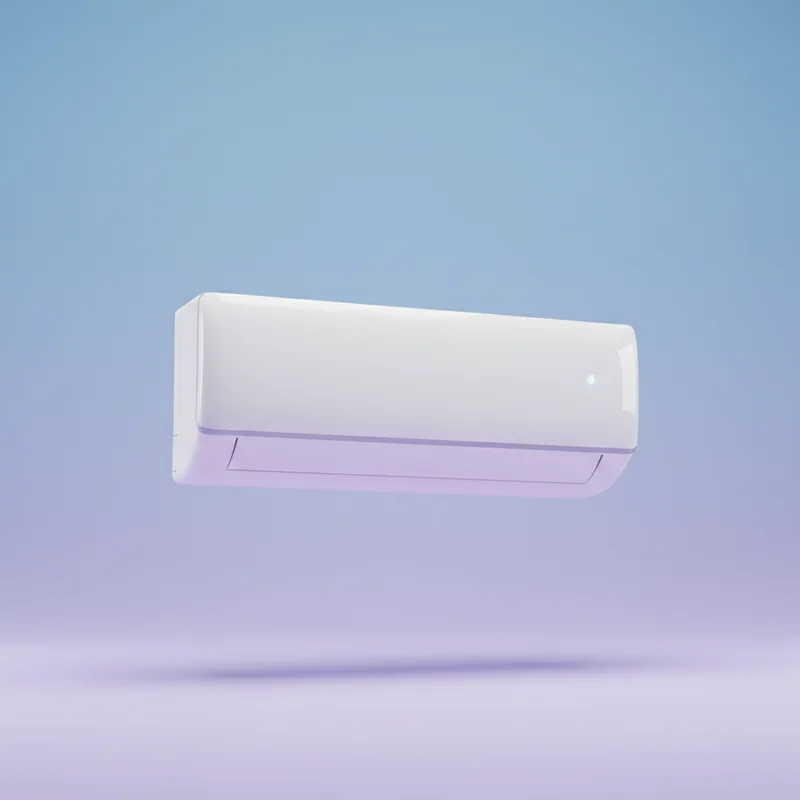
Air Conditioner
The air conditioning unit offers reliability of a fundamentally different character. When operational, it delivers consistent, predictable performance according to specified parameters. A thermostat set to 22 degrees will achieve 22 degrees regardless of the unit's mood, the phase of the moon, or whether sufficient attention has been provided recently. This transactional reliability is absolute within operational parameters.
Yet mechanical reliability carries inherent limitations. Air conditioners require professional maintenance, suffer refrigerant leaks, develop compressor failures, and depend entirely upon electrical grid stability. Average lifespan ranges from 10 to 15 years, shorter than the typical cat. During heatwaves, when need is greatest, failure rates increase substantially. The machine is reliable until it is not, at which point it provides nothing whatsoever.