Cat
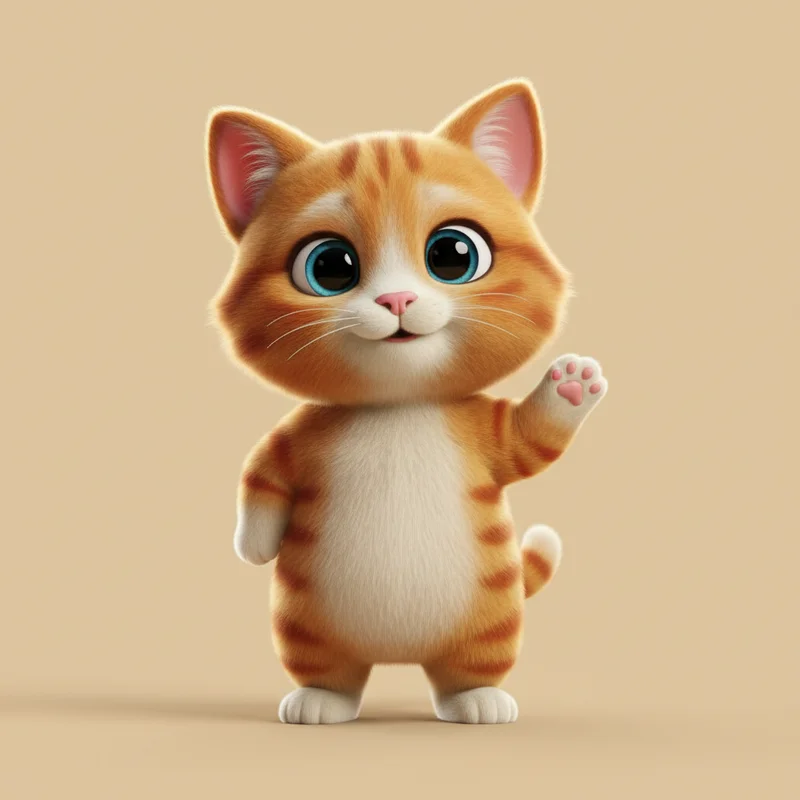
Cats provide many things, but reliability ranks notably low among their attributes. The creature may choose to offer affection or may choose to hide beneath furniture for reasons apparent only to itself. Attempts to predict feline behaviour have frustrated researchers for decades, yielding only the conclusion that cats operate according to internal logic inaccessible to human analysis.
This unpredictability extends to all aspects of the relationship. The cat that demanded lap access yesterday may react to today's identical offer with visible contempt. The preferred sleeping location changes without notice. Even meal preferences fluctuate, with previously favoured foods suddenly rejected as though personally offensive.
For humans seeking consistent, predictable comfort, cats present substantial risk. The comfort, when provided, proves exceptional, but its provision remains subject to feline discretion, a condition that tests human patience repeatedly across years of cohabitation.
Beer
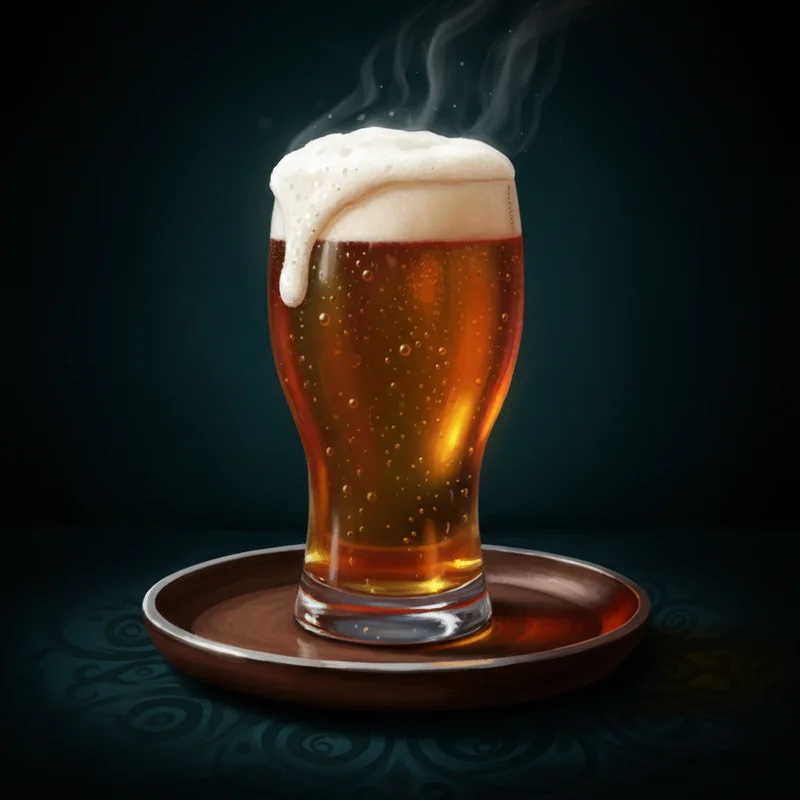
Beer delivers precisely what it promises with mechanical consistency. The chemical composition of a given brand remains stable across batches, ensuring that today's pint provides essentially identical experience to yesterday's. This reliability enables planning and expectation-setting in ways cats categorically refuse to accommodate.
The beverage does not experience moods. It does not sulk following perceived slights. It does not decide, inexplicably, that the human who has provided years of care now deserves only cold indifference. Beer simply waits, unchanging, until the moment of consumption, then delivers its effects according to well-documented pharmacological principles.
For humans whose daily tolerance for uncertainty reaches its limit before arriving home, beer offers guaranteed consistency that living creatures cannot match. The absence of personality is, in certain contexts, a feature rather than a limitation.