Topic Battle

Where Everything Fights Everything

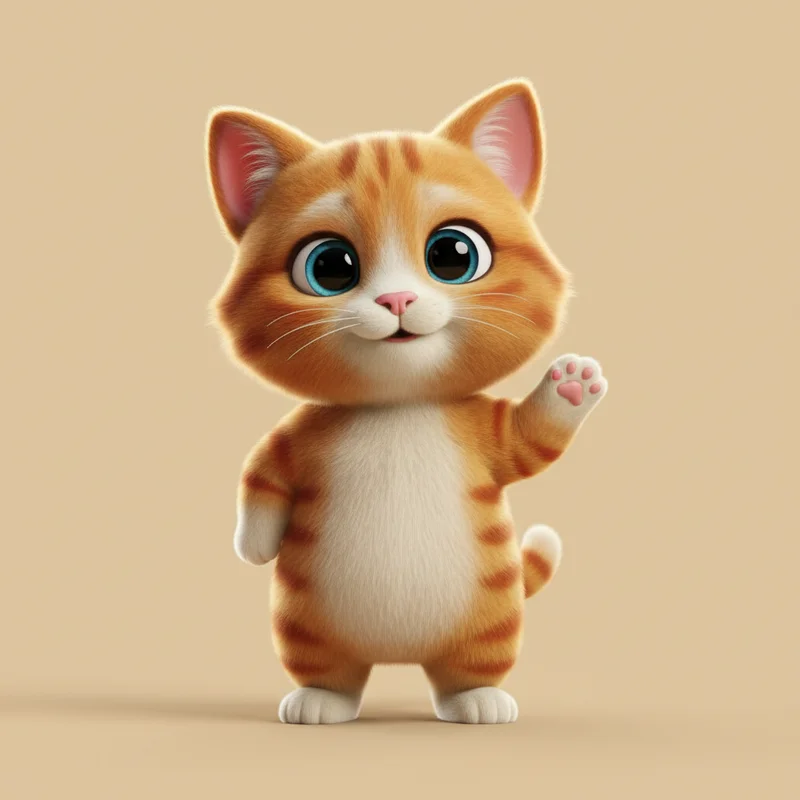
Cat

Cat

Domestic feline companion known for independence, agility, and internet fame. Masters of napping and keyboard interruption.

VS
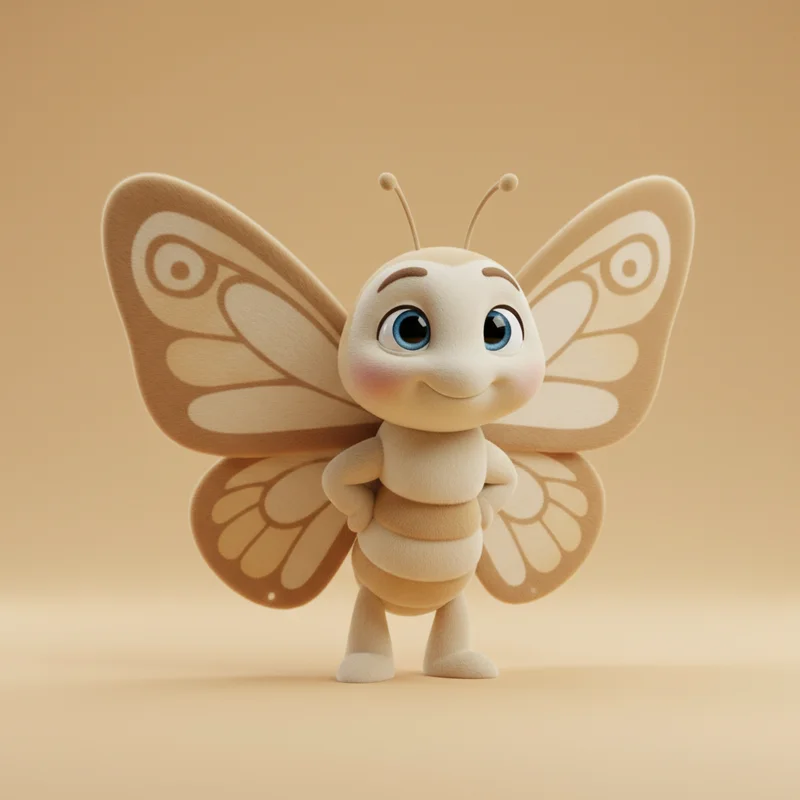
Butterfly

Butterfly

Winged insect undergoing complete metamorphosis from caterpillar, symbolizing transformation worldwide.

Battle Analysis

Speed Cat Wins
70%
30%
Cat Butterfly

Cat

The domestic cat achieves sprint velocities of 30 miles per hour in short bursts, a remarkable figure for an animal that spends approximately 70 percent of its existence horizontal. This speed serves primarily for ambush hunting, with acceleration from rest to maximum velocity occurring within seconds.

However, sustainable speed proves considerably lower. Cats lack the endurance musculature for prolonged pursuit, typically abandoning chases after 30 to 60 seconds regardless of outcome. Their hunting strategy relies upon explosive surprise rather than marathon persistence, a design philosophy that aligns conveniently with their general preference for minimal exertion.

Butterfly

Butterfly flight speed varies dramatically by species, with the fastest specimens achieving 12 miles per hour during migration. The Monarch butterfly covers up to 3,000 miles during seasonal relocation, demonstrating endurance that would hospitalise the average housecat within minutes.

Their flight mechanics prove genuinely extraordinary. Four independent wings create lift through figure-eight patterns too complex for aerodynamic models to fully explain. This efficiency enables sustained flight on minimal caloric reserves, though it provides limited defensive capability against ambush predators launching from behind curtains.

VERDICT

Raw velocity favours the feline, though the butterfly's endurance represents a specialisation the cat's lifestyle renders unnecessary.
Durability Cat Wins
70%
30%
Cat Butterfly

Cat

Cats possess remarkable structural resilience, with documented survival from falls exceeding 32 storeys. Their righting reflex, musculoskeletal flexibility, and relatively low terminal velocity combine to create an animal surprisingly difficult to damage through physical trauma.

Average lifespan ranges from 12 to 18 years under domestic conditions, with some specimens exceeding 30 years. This longevity allows cats to witness multiple generations of butterflies whilst maintaining consistent sofa-occupying capability throughout.

Butterfly

Butterfly durability presents a stark contrast. Adult specimens typically survive 2 to 6 weeks, with some species managing only days between emergence and expiration. Their wings, whilst visually spectacular, consist of scales so delicate that human touch causes permanent damage.

This brevity reflects an entirely different evolutionary calculation. Resources invested in longevity have instead been allocated to reproduction and dispersal, with some species producing hundreds of eggs during their compressed adult phase. The strategy prioritises genetic propagation over individual persistence.

VERDICT

Lifespan differentials of approximately 200:1 render this criterion mathematically conclusive.
Versatility Cat Wins
70%
30%
Cat Butterfly

Cat

Cats demonstrate remarkable adaptive range across domestic environments. They function as pest controllers, emotional support providers, internet content generators, and ambient furniture decoration. Their capacity to occupy any container regardless of apparent physical impossibility has generated scientific inquiry and considerable social media engagement.

Behavioural versatility proves equally impressive. The same animal provides enthusiastic greeting upon owner return, profound indifference moments later, and violent objection to closed doors throughout. This emotional range exceeds most human capabilities.

Butterfly

Butterflies serve more specialised but equally essential functions. As pollinators, they support agricultural systems worth billions annually. Their presence indicates ecosystem health, serving as bioindicators for environmental monitoring programmes worldwide.

Their versatility, however, remains ecologically bounded. Butterflies cannot provide companionship, pest control, or furniture warming. They cannot learn their names, though admittedly they share this limitation with cats who simply choose not to respond.

VERDICT

Domestic utility across multiple domains exceeds specialised ecological function for household comparison purposes.
Global reach Butterfly Wins
30%
70%
Cat Butterfly

Cat

Domestic cats have achieved distribution across every continent except Antarctica, with population estimates exceeding 600 million worldwide. Their presence spans climates from Arctic settlements to tropical islands, demonstrating adaptive capacity matched by few mammals.

This expansion occurred through deliberate human transport and subsequent feral establishment. Cats now rank among the most successful invasive species in history, a designation that would concern conservationists more if the perpetrators were not so photogenic.

Butterfly

Butterflies maintain presence across every continent including Antarctica, where the Antarctic Peninsula hosts several hardy species. Their global distribution encompasses approximately 180,000 described species, occupying ecological niches from rainforest canopy to alpine meadow.

Migration patterns extend this reach further. Monarch butterflies cross the Gulf of Mexico annually, whilst Painted Ladies traverse the Sahara Desert during seasonal movements. This geographic mobility occurs entirely without human assistance or carrying cases.

VERDICT

Superior species diversity and continent coverage, including Antarctic presence, grants butterflies marginal territorial advantage.
Entertainment value Cat Wins
70%
30%
Cat Butterfly

Cat

Cats have dominated internet entertainment metrics since the medium's inception. Cat-related content generates billions of views annually, with individual viral specimens achieving recognition exceeding most human celebrities. The format proves inexhaustible: sleeping cats, jumping cats, cats displaying apparent contempt for human endeavour.

Live entertainment value proves equally substantial. The average cat provides hours of daily observation opportunity through hunting simulations, gravitational experiments with household objects, and the inexplicable midnight sprinting known as the zoomies.

Butterfly

Butterflies provide entertainment through aesthetic contemplation rather than behavioural comedy. Gardens designed for butterfly attraction constitute a multi-billion pound industry, whilst butterfly houses draw millions of visitors annually to controlled observation environments.

Their entertainment, however, lacks interactive dimension. Butterflies do not respond to names, play with string, or knock items from shelves at 3 AM. They offer beauty rather than engagement, poetry rather than pratfall. For audiences seeking slapstick, this proves insufficient.

VERDICT

Active behavioural entertainment outperforms passive aesthetic appreciation in engagement metrics across all platforms.
👑

The Winner Is

Cat

58 - 42

The cat claims victory not through any single overwhelming advantage but through accumulated domestic relevance. A creature that has convinced humanity to provide food, shelter, and medical care in exchange for variable affection has mastered a survival strategy the butterfly never attempted.

Yet butterflies require no such arrangements. They emerge, reproduce, and expire having fulfilled their genetic mandate without requiring litter trays, veterinary appointments, or complex negotiations regarding closed doors. Their brief existence achieves completeness the long-lived cat never quite reaches, always demanding one more meal, one more sunbeam, one more opportunity to knock something breakable to the floor.

In the final accounting, longevity and companionship outweigh brevity and beauty, though both represent entirely successful approaches to the fundamental challenge of existing. The cat wins the comparison. The butterfly wins by not caring about comparisons at all.

Cat
58%
Butterfly
42%

Share this battle

More Comparisons