
Topic Battle

Where Everything Fights Everything

Cat

Cat

Domestic feline companion known for independence, agility, and internet fame. Masters of napping and keyboard interruption.

VS
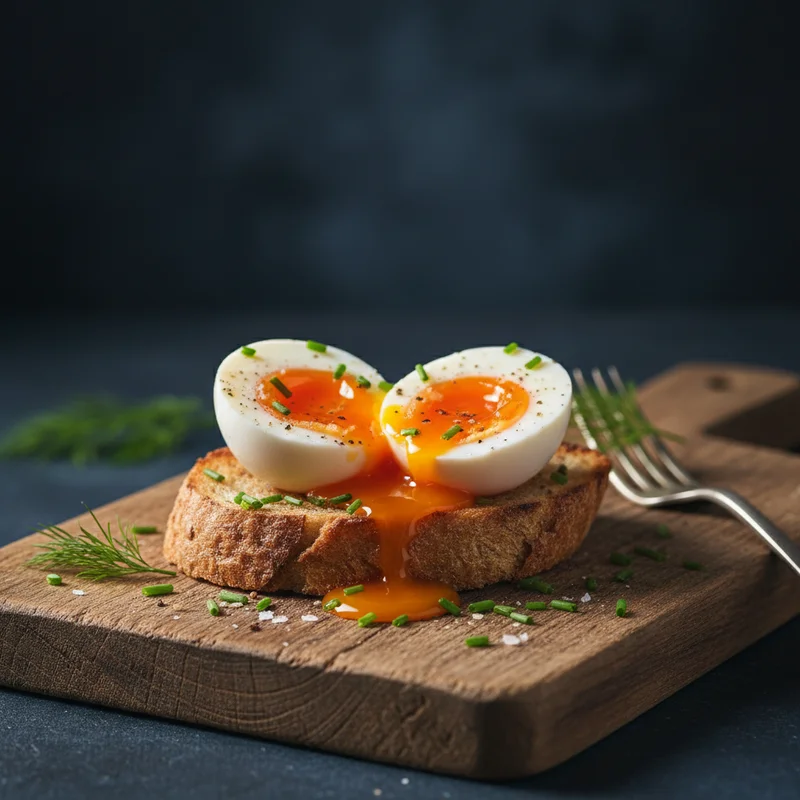
Egg

Egg

Versatile protein source prepared in countless ways.

Battle Analysis

Durability cat Wins
70%
30%
Cat Egg

Cat

The domestic cat presents remarkable durability for a biological system. Average lifespan ranges from 12 to 18 years under proper care, with documented cases exceeding 30 years. The cat possesses a sophisticated immune system, self-cleaning capabilities, and the legendary ability to survive falls that would prove fatal to other mammals of similar mass. Its skeletal structure permits extraordinary flexibility, reducing injury risk during daily operations.

Furthermore, cats demonstrate psychological durability, adapting to changed circumstances, loss of companions, and relocated domiciles with eventual equanimity. A well-maintained cat represents a durable long-term asset.

Egg

The egg's durability presents a more complex picture. In its shell-protected state, a refrigerated egg remains viable for three to five weeks. Unrefrigerated but clean, eggs may last two weeks in temperate conditions. However, the egg's protective shell is notoriously fragile—a modest impact results in catastrophic structural failure. Humpty Dumpty's fate was not dramatisation but documentary accuracy.

Once cracked, an egg's useful lifespan reduces to mere hours without temperature control. The egg is essentially a time-limited consumable requiring careful handling throughout its brief existence.

VERDICT

A lifespan measured in decades comprehensively outperforms one measured in weeks
Versatility egg Wins
30%
70%
Cat Egg

Cat

The domestic cat demonstrates considerable versatility within its operational parameters. It functions as pest controller, eliminating mice and insects with documented efficiency. It serves as thermal regulation device, providing warmth through direct contact. The cat operates as security system, alerting occupants to unusual sounds or movements. Additionally, it fulfils the role of emotional support unit, with studies confirming reduced stress hormones in cat owners.

However, feline versatility operates strictly within the animal's behavioural comfort zone. A cat cannot be repurposed, reformulated, or redirected without its consent. Its versatility, whilst genuine, is self-determined rather than user-directed.

Egg

The egg's versatility borders on the extraordinary. In culinary application alone, eggs may be boiled, fried, scrambled, poached, baked, pickled, or consumed raw. They function as binding agents in baking, emulsifiers in sauces, clarifying agents in stocks, and coating agents in breading. The egg provides the foundation for custards, meringues, souffles, and mayonnaise. A single ingredient enabling such diverse outputs is a rarity in human gastronomy.

Beyond cuisine, eggs serve as artistic medium (tempera painting), educational tool (biology demonstrations), and even structural component in certain historical building practices. The egg accepts whatever role humanity assigns without protest or negotiation.

VERDICT

The egg's capacity for transformation into countless culinary and practical forms exceeds feline versatility
Affordability egg Wins
30%
70%
Cat Egg

Cat

The total cost of cat ownership presents a substantial financial commitment. Initial acquisition ranges from free (adoption) to several thousand pounds for pedigree specimens. Annual maintenance costs—including food, litter, veterinary care, and accessories—average 500 to 1,000 pounds in developed economies. Over a fifteen-year lifespan, total ownership cost may exceed ten thousand pounds.

Furthermore, cats impose opportunity costs: restricted travel options, potential property damage, and the occasional replacement of destroyed furnishings. The cat is, by any measure, a significant ongoing expense.

Egg

The egg presents an entirely different economic profile. A single egg costs approximately 20 to 40 pence at current retail prices, with bulk purchasing reducing per-unit costs further. Free-range and organic variants command premiums but rarely exceed one pound per egg. The egg requires no feeding, no veterinary attention, and no litter box maintenance.

Storage infrastructure is minimal—a refrigerator shelf accommodates a dozen eggs without complaint. The egg represents one of the most cost-effective protein sources available to modern consumers, requiring only modest one-time investment in cooking equipment.

VERDICT

The egg's negligible cost comprehensively undercuts the cat's substantial lifetime expense
Nutritional value egg Wins
30%
70%
Cat Egg

Cat

From a nutritional standpoint, the domestic cat offers limited direct value to humans in most cultural contexts. Whilst cats are technically edible and have been consumed in certain historical periods and geographic regions, modern convention strongly disfavours feline consumption in Western societies. The cat's primary nutritional contribution to households is, therefore, indirect—through pest elimination, it protects food stores from rodent contamination.

One might argue the cat provides emotional nutrition, though this metric falls outside conventional dietary analysis. In purely caloric and macronutrient terms, the cat scores poorly as a food source.

Egg

The egg represents one of nature's most complete nutritional packages. A single large egg contains 6 grams of protein, 5 grams of fat, and a comprehensive suite of vitamins including A, B2, B5, B12, D, E, and K. The egg provides all nine essential amino acids, earning its classification as a complete protein source. Choline, selenium, and phosphorus round out an impressive micronutrient profile.

At approximately 70 calories per unit, the egg delivers exceptional nutritional density. Debates regarding cholesterol have largely resolved in the egg's favour, with current guidelines permitting daily consumption for most individuals. Few single foods match the egg's nutritional comprehensiveness.

VERDICT

The egg's status as a complete protein source with comprehensive micronutrients cannot be contested
Entertainment value cat Wins
70%
30%
Cat Egg

Cat

In the domain of entertainment provision, the cat operates as an autonomous content generation system. Cat videos constitute a significant percentage of total internet content, with billions of annual views. The feline's unpredictable behaviour—spontaneous acrobatics, inexplicable startlement, determined investigation of boxes—provides endless amusement without external programming or direction.

A cat will entertain its human companions through hunting simulations, territorial patrols, and aggressive affection demands. The entertainment is interactive, responsive, and infinitely variable. No two days with a cat produce identical content. This unpredictability, whilst occasionally inconvenient, ensures the entertainment value never depletes.

Egg

The egg's entertainment capabilities are considerably more constrained. One may spin an egg to determine whether it is raw or cooked—a demonstration that provides approximately fifteen seconds of engagement. Egg decoration at Easter offers seasonal creative opportunities. Egg-and-spoon races feature in school sports days. Beyond these applications, the egg sits inert, offering no spontaneous amusement.

The egg's entertainment value derives almost entirely from human imposition rather than intrinsic properties. It is, fundamentally, a passive object awaiting external direction for any entertainment function.

VERDICT

The cat's autonomous entertainment generation comprehensively outperforms the egg's passive inertia
👑

The Winner Is

Cat

58 - 42

This investigation reveals a competition between fundamentally different propositions. The egg claims decisive victories in versatility, nutritional value, and affordability—practical considerations of considerable importance to the budget-conscious or culinarily inclined household. The egg asks nothing, delivers consistently, and transforms into whatever form its user requires without complaint or negotiation.

The cat, however, prevails in durability and entertainment value—dimensions that speak to longer-term companionship and daily enrichment. No omelette has ever greeted its creator at the door; no scrambled egg has purred whilst positioned on a lap. The cat offers something the egg cannot: sustained, interactive presence over years rather than minutes.

By a margin of 58 to 42, the cat emerges victorious. This verdict acknowledges the egg's undeniable practical superiority in several domains whilst recognising that household value cannot be measured in protein content alone. The cat provides irreplaceable companionship; the egg provides replaceable nutrition. In the final analysis, that which cannot be substituted holds greater worth than that which can be purchased by the dozen.

Cat
58%
Egg
42%

Share this battle

More Comparisons