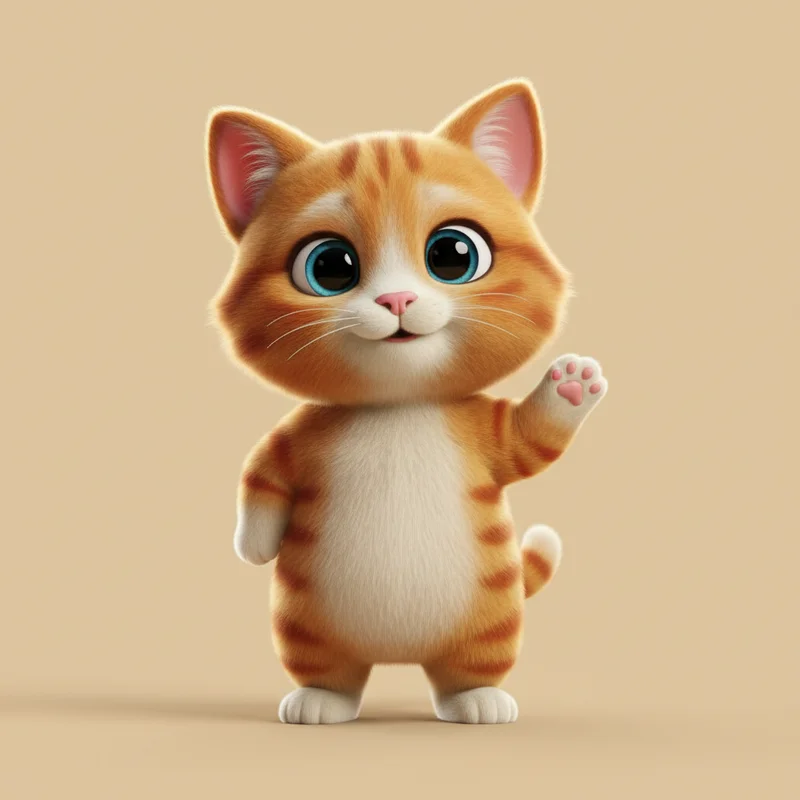
Cat
Cats maintain a sophisticated arsenal of injury-inflicting mechanisms. Claws capable of penetrating leather jackets deploy without warning during what begins as affectionate interaction. Teeth designed for severing small mammalian spines occasionally redirect toward human appendages. The average cat carries approximately 130 million bacteria per square centimetre of claw surface, transforming minor scratches into potential medical events.
Beyond direct assault, cats excel at indirect injury facilitation. The strategically placed hairball creates slip hazards rivalling professional ice rinks. The 3 AM vocalisation induces sleep-deprived humans to stumble into furniture. The simple act of existing on a duvet causes human feet to seek stable purchase where none exists.
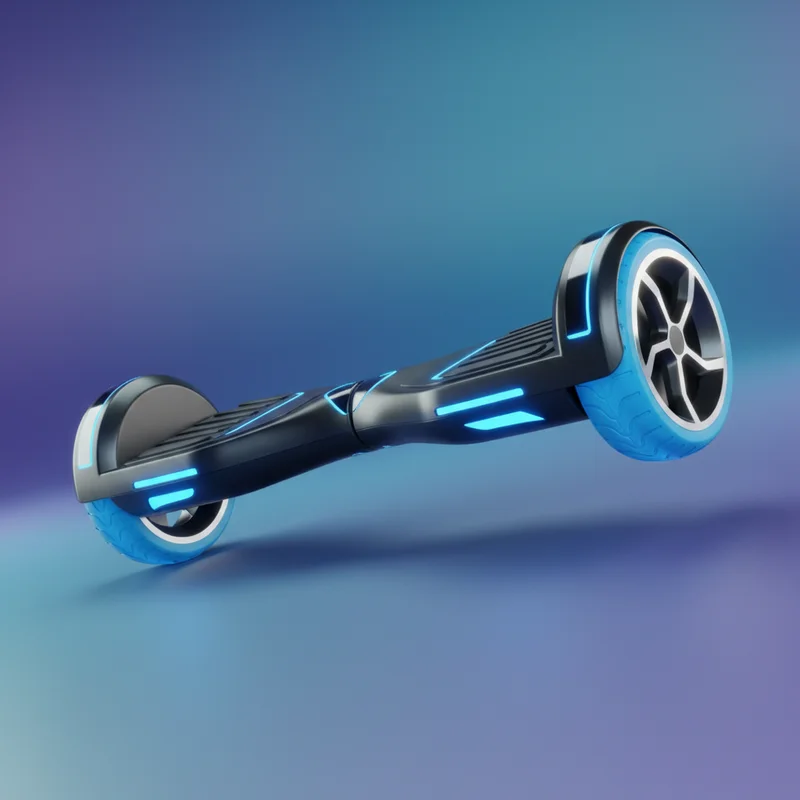
Hoverboard
Hoverboard injuries present with impressive clinical variety. Emergency department data catalogues fractures, contusions, lacerations, and burns, the latter resulting from thermal events within battery compartments of dubiously certified models. Wrist fractures predominate, as humans instinctively extend arms to break falls that the hoverboard itself initiated.
The device demonstrates particular aptitude for ankle injuries, applying rotational forces at angles the human joint never evolved to accommodate. Property damage frequently accompanies personal injury, as uncontrolled hoverboards continue their trajectories into furniture, walls, and occasionally through doors into outdoor environments where their rampage may continue unwitnessed.