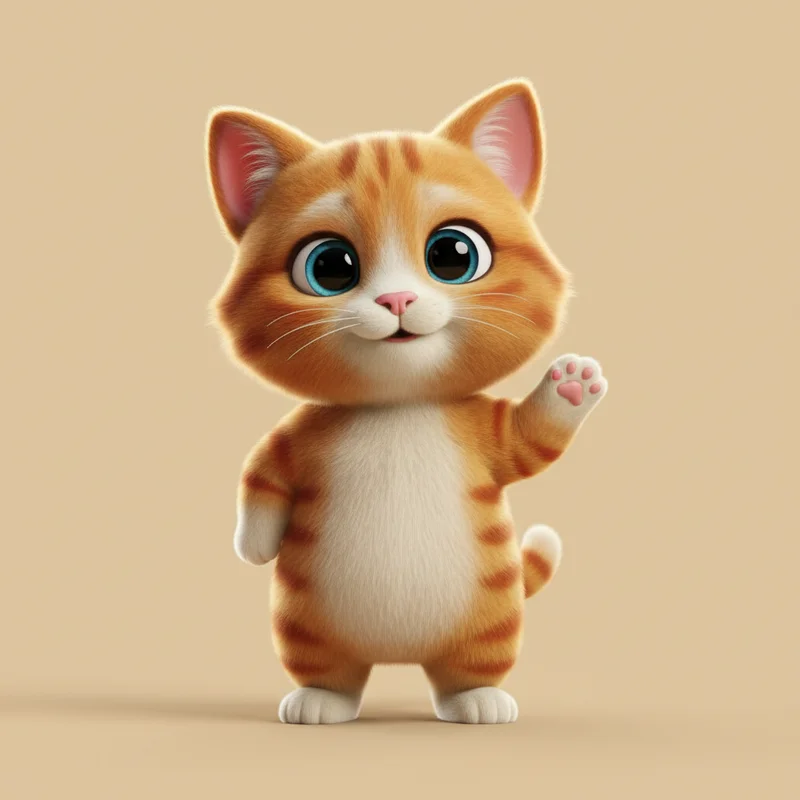

Cat
Cats have achieved divine status in multiple civilisations. Ancient Egyptians worshipped them as manifestations of Bastet, imposed death penalties for their harm, and mummified them in quantities exceeding human burials in some periods. Japanese culture venerates the maneki-neko, whilst the internet has essentially been constructed as a cat-appreciation infrastructure. Conservative estimates suggest that 15% of all internet traffic consists of feline imagery. Cats appear in literature from T.S. Eliot to contemporary publishing phenomena, command social media followings exceeding many nation-states, and have inspired an entire theatrical production that defies rational explanation.
The cat has transcended species to become cultural institution.
King Kong
King Kong occupies a significant but more constrained cultural position. Since 1933, the image of an enormous ape clutching a woman atop the Empire State Building has symbolised the tragic collision between nature and modernity. Kong has inspired academic discourse, feminist critique, and genuine philosophical inquiry. The character appears in art history courses, cultural studies programmes, and the collective unconscious of several generations.
Yet Kong remains singular where cats are legion. There is one Kong; there are 600 million owned cats and countless more operating independently.
VERDICT
Whilst Kong achieved iconic status through singular mythological power, cats have achieved cultural saturation through multiplication. The cat wins through sheer omnipresence in human culture.