Topic Battle

Where Everything Fights Everything

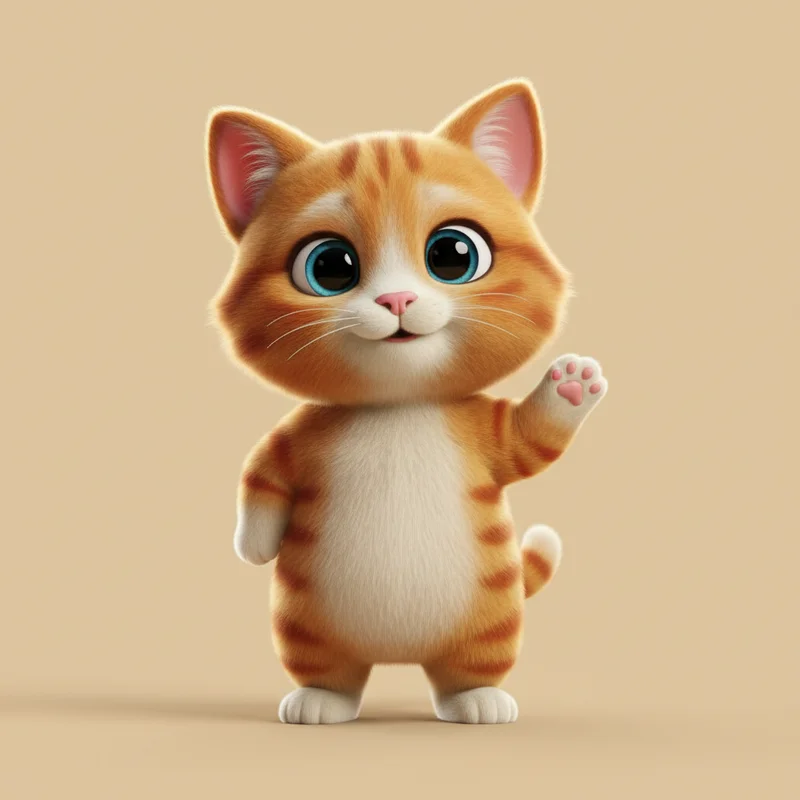
Cat

Cat

Domestic feline companion known for independence, agility, and internet fame. Masters of napping and keyboard interruption.

VS
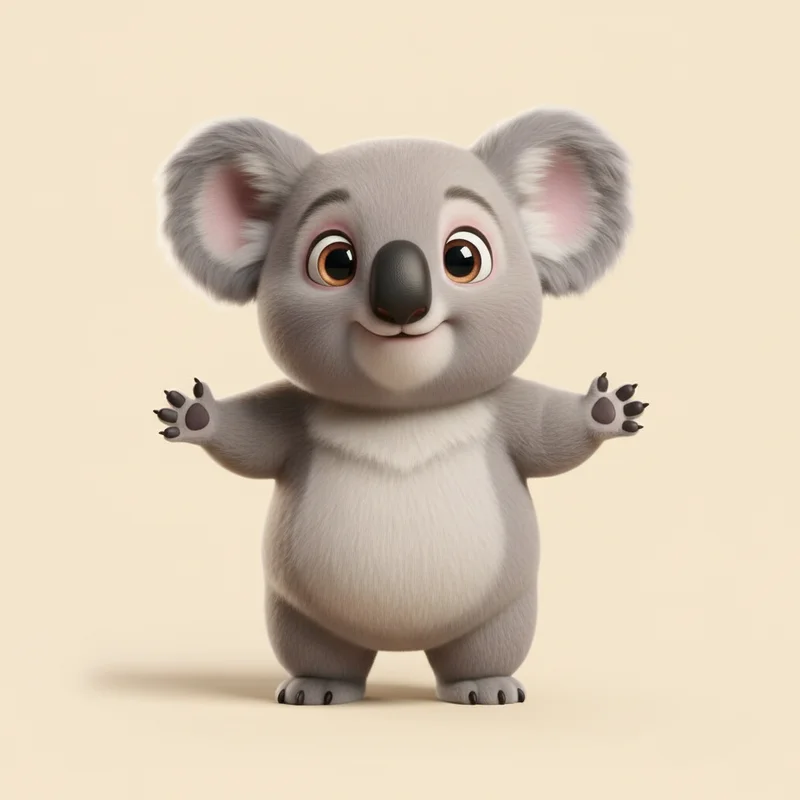
Koala

Koala

Australian marsupial spending 22 hours daily sleeping in eucalyptus trees while looking perpetually cuddly.

Battle Analysis

Accessibility cat Wins
70%
30%
Cat Koala

Cat

The domestic cat presents itself as an extraordinarily accessible companion animal. Cats may be acquired through shelters, breeders, or the time-honoured tradition of a cat simply appearing and refusing to leave. Adoption fees range from nominal to moderate, and the infrastructure required for cat maintenance—litter tray, food bowls, scratching post—remains within reach of most households. Cats adapt to flats, houses, farms, and canal boats with equal facility. One need not travel anywhere special to encounter a cat; the cat will find you.

Koala

Koala accessibility, by contrast, presents significant logistical challenges. The species exists exclusively in eastern Australia, requiring international travel for most of the world's population to achieve direct observation. Koalas cannot be kept as pets under Australian law, eliminating the domestic companionship pathway entirely. Wildlife sanctuaries offer supervised encounters, typically at premium pricing, and wild koala sightings require both geographical presence and considerable luck. The koala's accessibility score is constrained by immutable facts of biogeography and conservation legislation.

VERDICT

Cats are globally distributed and legally acquirable; koalas require a flight to Queensland
Cultural impact cat Wins
70%
30%
Cat Koala

Cat

The cultural footprint of Felis catus spans millennia and continents. Cats were worshipped in ancient Egypt, where harming one warranted severe punishment. They feature in the folklore of Japan, the literature of T.S. Eliot, and the musical theatre of Andrew Lloyd Webber. The internet age transformed cats into the dominant content category of digital media, with cat videos generating billions of annual views. The cat has infiltrated human culture so thoroughly that 'cat person' constitutes a recognised personality type. No other domesticated animal has achieved equivalent cultural saturation.

Koala

The koala's cultural impact, whilst more geographically concentrated, carries distinct power. The creature serves as an unofficial emblem of Australia, appearing on tourism campaigns, conservation appeals, and souvenir merchandise worldwide. Koala imagery evokes immediate associations with Australian identity. However, the koala's cultural presence remains largely static—a symbol rather than an active cultural participant. Koalas do not trend on social media through amusing behaviour; they trend through conservation crises. Their cultural role is significant but fundamentally different in character from feline cultural omnipresence.

VERDICT

Cats have achieved total cultural infiltration across all media and historical periods; koalas remain primarily symbolic
Emotional appeal cat Wins
70%
30%
Cat Koala

Cat

The emotional appeal of cats operates through sophisticated mechanisms of intermittent reinforcement. Cats provide affection unpredictably, creating what behavioural psychologists recognise as an addictive reward pattern. The cat that ignores you for hours before suddenly seeking lap residence delivers more emotional impact than consistent affection would provide. Cat ownership involves ongoing negotiation, creating engagement that passive companionship cannot match. The emotional bond with a cat must be earned, and humans value what they work to achieve.

Koala

Koala emotional appeal functions quite differently—through what might be termed weaponised vulnerability. The koala's appearance triggers protective instincts hardwired into human psychology: round face, forward-facing eyes, proportionally large head, apparent docility. Humans observing koalas report overwhelming urges to provide care, despite the koala requiring no such intervention. This appeal is immediate and universal but necessarily distant. One cannot form a reciprocal emotional bond with a koala; one can only admire it from appropriate remove. The emotional connection remains one-directional.

VERDICT

Cats create interactive emotional bonds through reciprocal relationship; koalas inspire affection without reciprocation
Sleep efficiency koala Wins
30%
70%
Cat Koala

Cat

The domestic cat has elevated sleeping to an art form of considerable sophistication. Cats sleep between 12 and 16 hours daily, distributing rest across multiple sessions throughout the circadian cycle. This polyphasic sleep pattern enables cats to remain perpetually prepared for either rapid predatory action or extended languor, as circumstances demand. The cat selects sleeping locations with precision, favouring elevated positions, sun-warmed surfaces, and any recently laundered garment left unattended. Cat sleep is efficient, adaptable, and strategically deployed.

Koala

The koala, however, operates in an entirely different league of somnolence. These marsupials sleep an average of 18 to 22 hours per day, a schedule that would constitute clinical pathology in most mammals. This extraordinary sleep requirement stems from their eucalyptus diet, which provides minimal caloric return and contains compounds requiring significant metabolic processing. The koala has essentially solved the energy budget equation by refusing to expend energy. Its commitment to sleep is not mere preference but evolutionary necessity—a lifestyle choice imposed by dietary circumstances.

VERDICT

The koala sleeps up to 22 hours daily, outperforming even the most dedicated feline by a substantial margin
Survival adaptability cat Wins
70%
30%
Cat Koala

Cat

The domestic cat demonstrates survival capabilities that border on the alarming. Cats have established feral populations on every continent except Antarctica, adapting to environments from Siberian forests to Australian outback to urban centres worldwide. Their dietary flexibility enables consumption of rodents, birds, insects, fish, and commercial cat food with equal facility. A cat released into virtually any temperate environment will likely survive, and possibly establish a local dynasty. The species' invasive potential testifies to its formidable adaptability—a characteristic that conservation biologists regard with some concern.

Koala

The koala's survival strategy represents the opposite approach: extreme specialisation. Koalas consume exclusively eucalyptus leaves, a food source so nutritionally poor and toxically defended that virtually no other mammal will touch it. This specialisation eliminated dietary competition but created profound vulnerability. Koalas cannot adapt to habitat loss, cannot switch food sources, and cannot relocate to new territories. Climate change, bushfires, and urban development have pushed populations toward critical thresholds. The koala survives by perfecting one narrow ecological niche rather than adapting to many.

VERDICT

Cats thrive in virtually any environment; koalas require specific eucalyptus forests and nothing else will do
👑

The Winner Is

Cat

58 - 42

This comparative analysis reveals a competition between fundamentally different evolutionary strategies. The cat has pursued accessibility, adaptability, and cultural infiltration, embedding itself so thoroughly in human civilisation that extraction would now prove impossible. The koala has pursued specialisation, achieving perfect adaptation to one specific ecological niche whilst sacrificing flexibility entirely.

The cat claims victory in accessibility, cultural impact, survival adaptability, and emotional appeal—four of five measured criteria. The koala's sole triumph, in sleep efficiency, represents a pyrrhic victory at best: sleeping twenty-two hours daily is less a competitive advantage than a metabolic constraint.

By a margin of 58 to 42, the domestic cat emerges as the superior charismatic mammal. This verdict does not diminish the koala's conservation importance or its capacity to inspire human affection. It merely acknowledges that when measuring practical merit across objective criteria, the creature that conquered human civilisation outperforms the creature that conquered one type of tree.

Cat
58%
Koala
42%

Share this battle

More Comparisons