
Cat
The domestic cat demonstrates exceptional durability by biological standards, with an average lifespan of 15 to 20 years under optimal conditions. Individual specimens have been documented surviving well into their third decade, accumulating approximately 130,000 hours of continuous operation. Unlike mechanical devices, cats require no replacement parts, generating new cells through autonomous biological processes.
This durability proves self-maintaining to a remarkable degree. Cats clean themselves, regulate their own temperature, and repair minor tissue damage without external intervention. The immune system handles most threats independently. Veterinary intervention, whilst advisable, remains optional for extended periods.
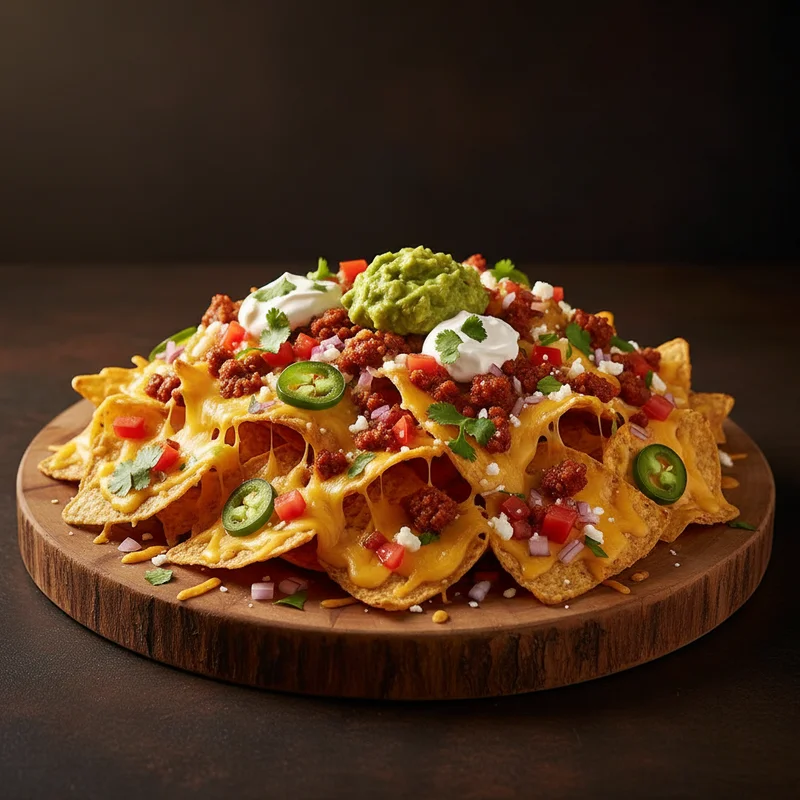
Nachos
Nachos present a durability profile best described as catastrophic. From the moment of assembly, structural integrity begins declining at measurable rates. Cheese solidifies within 8 to 12 minutes of serving. Chips absorb moisture from toppings, transitioning from crisp to soggy within the same timeframe. The optimal consumption window rarely exceeds 15 minutes.
Attempts to extend nacho longevity through refrigeration prove counterproductive, producing a substance bearing little resemblance to the original. Unlike cats, nachos cannot regenerate, adapt, or defend themselves against the entropic forces constantly threatening their dissolution. Each plate represents a countdown to inedibility.