Topic Battle

Where Everything Fights Everything

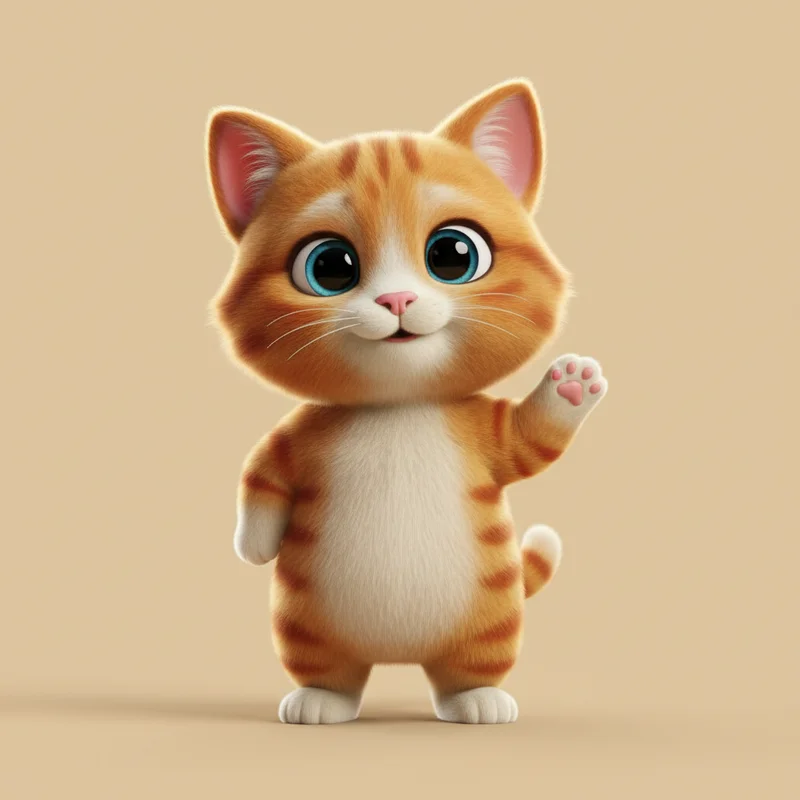
Cat

Cat

Domestic feline companion known for independence, agility, and internet fame. Masters of napping and keyboard interruption.

VS
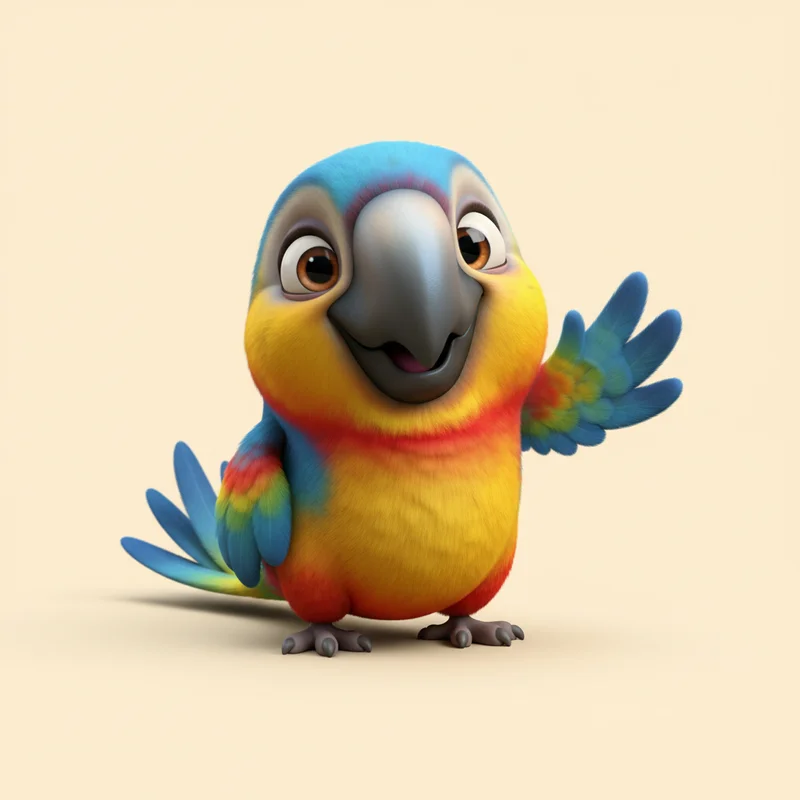
Parrot

Parrot

Colorful tropical bird capable of mimicking human speech and living for decades as a companion.

Battle Analysis

Emotional bonding Cat Wins
70%
30%
Cat Parrot

Cat

Feline bonding develops through accumulated trust rather than immediate affection. The cat chooses its person, a selection process that flatters recipients whilst frustrating those passed over. Once established, the bond manifests through proximity-seeking behaviour, head bunting, and that peculiar kneading motion suggesting contentment rooted in kittenhood memories.

Critics dismiss cats as emotionally distant, yet research indicates they form secure attachments comparable to human infants. The affection simply expresses differently than canine enthusiasm, requiring interpretation skills that develop through extended cohabitation.

Parrot

Parrots bond with intensity that approaches problematic levels. They select favourite humans and demonstrate clear preferences through physical affection, vocal greeting, and jealousy towards perceived rivals. This attachment deepens over decades, creating relationships that span significant portions of human lifetimes.

The depth carries corresponding risks. Parrot separation anxiety manifests through destructive behaviours, self-harm, and vocalisations designed to summon absent companions. Rehoming bonded parrots causes documented psychological trauma. The emotional connection, whilst profound, demands commitment levels that casual pet owners rarely anticipate.

VERDICT

Feline emotional bonds provide meaningful connection without the dependency issues and psychological fragility that characterise parrot attachments.
Entertainment value Parrot Wins
30%
70%
Cat Parrot

Cat

Cats provide entertainment through unpredictable bursts of activity interspersed with professional-grade sleeping demonstrations. The phenomenon known as the 'zoomies' sees otherwise dignified creatures sprint through homes at 3 AM with urgency suggesting phantom pursuit. Hunting behaviours manifest against toys, insects, and occasionally human ankles, providing amusement at irregular intervals.

Internet metrics confirm feline entertainment dominance. Cat videos generate billions of views annually, suggesting their appeal transcends cultural boundaries. The comedic potential of a creature that simultaneously radiates superiority and falls off furniture remains apparently inexhaustible.

Parrot

Parrots deliver entertainment through active performance rather than passive observation. They dance to music with genuine rhythmic awareness, sing along to favourite songs with varying accuracy, and engage in conversations that occasionally achieve genuine wit. Their capacity for learning tricks exceeds feline willingness by considerable margins.

The entertainment carries an interactive dimension cats cannot match. Parrots respond to audience presence, amplifying performances when attention focuses upon them. They develop comedy routines through repetition, learning which sounds generate laughter and deploying them strategically. The entertainment value, whilst requiring more investment to unlock, achieves heights of active engagement beyond passive observation.

VERDICT

Interactive performance capability and genuine responsiveness to human engagement create entertainment value exceeding the passive amusement cats provide.
Maintenance demands Cat Wins
70%
30%
Cat Parrot

Cat

Cat maintenance follows predictable patterns that busy humans appreciate. Daily requirements include feeding twice, litter management once, and acknowledgement on demand. Cats self-groom with obsessive dedication, requiring bathing only in exceptional circumstances involving substances best left unspecified. They tolerate solitude for reasonable periods, making them compatible with standard employment schedules.

Veterinary needs remain relatively modest for healthy specimens. Annual vaccinations, occasional dental attention, and the inevitable hairball-related incidents constitute typical ownership burdens. The independence that defines feline nature translates directly into manageable maintenance requirements.

Parrot

Parrot maintenance demands escalate dramatically beyond feline baselines. These birds require fresh food preparation daily, cage cleaning with similar frequency, and social interaction measured in hours rather than minutes. Their intelligence demands environmental enrichment that would satisfy a moderately gifted child, including puzzles, toys, and rotation schedules to prevent boredom.

The lifespan compounds these demands considerably. Larger parrots regularly exceed 50 years, with some reaching 80, transforming pet ownership into a multigenerational commitment requiring estate planning. Veterinary specialists charge accordingly for avian expertise far rarer than feline knowledge. The maintenance burden, whilst manageable, never approaches cat-level convenience.

VERDICT

Feline self-sufficiency and manageable lifespans create substantially lower long-term maintenance burdens than birds requiring decades of daily attention.
Communication ability Parrot Wins
30%
70%
Cat Parrot

Cat

Feline communication operates through a sophisticated system of subtle cues that humans spend years learning to interpret. The average cat deploys approximately 100 distinct vocalisations, though most owners recognise only the ones demanding food. Body language conveys the remainder: tail positions, ear orientations, and that peculiar slow blink that apparently signals trust rather than impending unconsciousness.

The limitation proves significant. Cats cannot inform humans of specific desires beyond general categories. They cannot warn of approaching visitors by name, repeat overheard telephone conversations, or learn to say 'I love you' in any recognisable human language. Their silence, whilst dignified, creates communication barriers that patience alone cannot breach.

Parrot

Parrots possess what researchers term vocal learning capability, placing them among the rare species able to acquire new sounds throughout their lives. African Greys have demonstrated vocabularies exceeding 1,000 words, with contextually appropriate usage suggesting genuine comprehension rather than mere mimicry. They can greet specific individuals by name, request particular foods, and express displeasure with remarkable clarity.

This ability carries corresponding implications. Parrots repeat everything, including profanity, private conversations, and unflattering impressions of family members. They achieve peak volume at moments calculated for maximum inconvenience. The gift of speech, in parrot form, proves a double-edged sword that cuts primarily through household tranquillity.

VERDICT

The capacity for actual human language acquisition, despite its complications, represents a communication advantage no amount of meaningful meowing can match.
Household compatibility Cat Wins
70%
30%
Cat Parrot

Cat

Cats adapt to living spaces with remarkable flexibility. Studio apartments accommodate single cats comfortably, whilst larger homes support multiple felines with appropriate territory management. They require no outdoor access when properly enriched, making them suitable for high-rise dwellings where balcony access might prove fatal.

Furniture destruction remains a concern, but scratching posts and regular nail trimming mitigate the worst outcomes. Allergies affect approximately 10% of humans, a significant but not insurmountable obstacle. Overall compatibility with modern living arrangements approaches optimal for companion animals.

Parrot

Parrot household compatibility encounters significant limitations. Their vocalisations reach 100 decibels in larger species, sufficient to prompt noise complaints in shared buildings. Cage requirements consume substantial floor space, and out-of-cage time demands bird-proofed environments free from toxic houseplants, open water, ceiling fans, and other hazards.

Climate control becomes non-negotiable. Tropical species require consistent temperatures and humidity levels that conflict with energy-efficient home management. The mess generated by seed scatter, feather dust, and enthusiastic food consumption challenges even dedicated cleaners. Urban apartment dwelling suits parrots poorly compared to detached homes with tolerant neighbours.

VERDICT

Feline adaptability to diverse living situations, including apartments and shared buildings, vastly exceeds parrot compatibility with modern urban housing.
👑

The Winner Is

Cat

55 - 45

The cat prevails through that most valuable of modern virtues: respect for boundaries. In an age where demands upon human attention multiply without limit, creatures that provide companionship without requiring constant engagement achieve particular value. The cat asks for food, occasional affection, and a warm spot for sleeping, offering in return precisely as much presence as circumstances allow.

Parrots remain magnificent creatures, their intelligence and social capacity demanding genuine admiration. Those who commit to their care discover relationships of remarkable depth, conversations that span decades, and companions who genuinely know them by name and voice. This represents no small thing.

Yet the cat's genius lies in what it does not demand. It adapts to human schedules rather than imposing its own. It tolerates absence without psychological damage. It provides comfort through presence alone, asking nothing beyond proximity. In the relentless calculus of modern existence, where time proves the scarcest resource, the companion that gives without demanding proves most sustainable, however colourful the alternatives might speak.

Cat
55%
Parrot
45%

Share this battle

More Comparisons