
Cat
The domestic cat demonstrates exceptional durability relative to its biological classification. Average lifespan reaches 15 to 20 years under proper care, with documented cases exceeding 30 years. Self-repair mechanisms handle minor injuries without intervention. The species survived millennia of human cohabitation whilst maintaining genetic integrity and behavioural independence.
Cats possess remarkable structural resilience. The feline skeleton can absorb impact forces that would hospitalise humans. Their legendary ability to land safely from heights up to 32 storeys reflects engineering principles aerospace manufacturers study with genuine interest. Few biological systems demonstrate such comprehensive durability across stress categories.
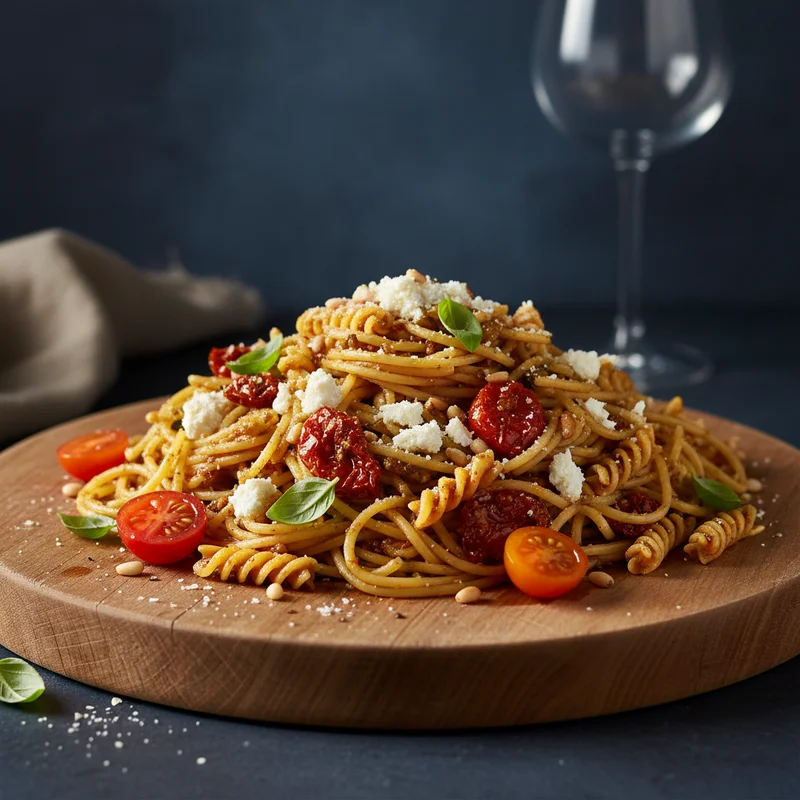
Pasta
Dried pasta achieves durability through chemical simplicity. Properly stored specimens remain viable for two to three years beyond production, with some archival samples remaining technically edible after decades. The absence of moisture, fats, and proteins susceptible to oxidation creates a remarkably stable molecular structure.
However, this durability proves highly conditional. Exposure to moisture initiates rapid degradation. Cooked pasta deteriorates within days even under refrigeration. The transformation from durable dry goods to perishable foodstuff occurs within minutes of boiling, representing a fundamental fragility at the core of pasta's existence.