Topic Battle

Where Everything Fights Everything

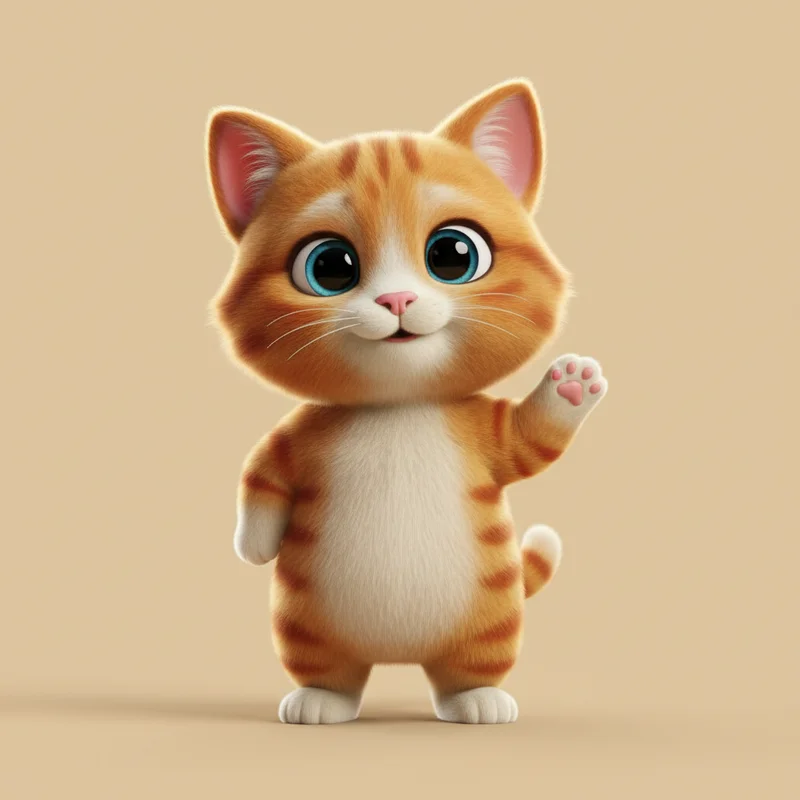
Cat

Cat

Domestic feline companion known for independence, agility, and internet fame. Masters of napping and keyboard interruption.

VS
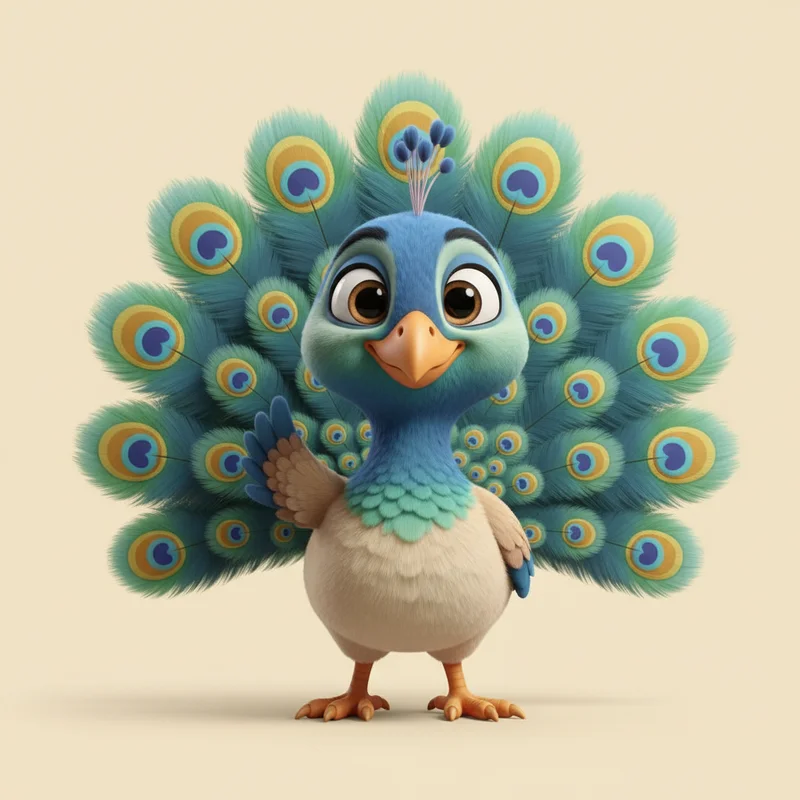
Peacock

Peacock

Spectacularly plumed bird whose elaborate tail displays define the concept of showing off.

Battle Analysis

Visual impact peacock Wins
30%
70%
Cat Peacock

Cat

The domestic cat presents a study in restrained elegance. Its visual impact derives not from ostentation but from proportion and movement—the liquid grace of a creature evolved for ambush predation. Coat patterns range from the tabby's camouflage stripes to the Siamese's striking colour points, yet no cat variety approaches genuine showiness. The cat's beauty operates through subtlety: the dilation of pupils, the precise placement of paws, the arrangement of self into photogenic positions. It is a beauty one must learn to appreciate, not one that announces itself.

Peacock

The peacock, by contrast, exists primarily as a visual event. The male's train comprises some 200 feathers, each terminating in an iridescent eye-spot that shimmers between blue, green, and gold depending on viewing angle. When fully displayed in courtship, this plumage spans nearly two metres and creates a visual impact impossible to ignore. The peacock has sacrificed stealth, flight efficiency, and predator evasion entirely in service of appearance. It is, in essence, a walking commitment to aesthetics over survival, a philosophy that has somehow proven evolutionarily successful.

VERDICT

The peacock's display plumage represents one of nature's most spectacular visual achievements; the cat merely looks pleasant
Entertainment value cat Wins
70%
30%
Cat Peacock

Cat

The domestic cat functions as an autonomous entertainment system of remarkable versatility. Cats pursue invisible prey, demonstrate inexplicable terror of cucumbers, engage in midnight parkour sessions, and interact with cardboard boxes as though discovering them for the first time despite decades of prior box experience. The unpredictability of feline behaviour ensures entertainment value never depletes. Cats have generated more viral internet content than any other animal, their antics providing billions of hours of human amusement annually.

Peacock

Peacock entertainment operates on an entirely different register. The spectacle of a full courtship display—train raised, feathers vibrating, the entire apparatus shimmering in available light—constitutes genuine natural theatre. However, this performance occurs seasonally and briefly. Outside breeding season, the peacock offers modest entertainment: strutting about, pecking at things, occasionally shrieking. It is a one-act performer in a world that rewards continuous content. The peacock's greatest show is magnificent but infrequent.

VERDICT

Cats provide continuous, unpredictable entertainment; peacocks deliver spectacular but seasonal performances
Social compatibility cat Wins
70%
30%
Cat Peacock

Cat

The domestic cat has evolved specifically for human cohabitation, developing vocalisations used exclusively for human communication and adapting its crepuscular hunting schedule to household routines. Cats occupy domestic spaces efficiently, requiring minimal square footage and adapting to flats, houses, and confined urban dwellings. They interact with humans on negotiated terms—offering affection when inclined, maintaining independence when preferred. This flexibility has made the cat humanity's most popular companion animal by population count.

Peacock

The peacock presents considerable social challenges. Its call—a harsh, penetrating shriek often compared to a distressed human—can exceed 100 decibels and carries for miles. Peacocks require substantial outdoor space, damage gardens through enthusiastic foraging, and cannot be housetrained by any conventional method. They roost in trees, scatter droppings with aristocratic indifference, and display territorial aggression during breeding season. The peacock is, fundamentally, a garden ornament that screams, beautiful to observe but challenging to accommodate.

VERDICT

Cats have spent millennia adapting to human households; peacocks have spent millennia expecting households to adapt to them
Cultural significance cat Wins
70%
30%
Cat Peacock

Cat

The domestic cat claims profound cultural significance across civilisations. Ancient Egyptians elevated Bastet to divine status; Japanese culture produced the beckoning maneki-neko; Norse mythology positioned cats as companions to Freyja. The internet age has only amplified feline cultural penetration, with cats achieving genuine celebrity status and their images serving as universal symbols of the digital condition. The cat has become, perhaps, humanity's most shared cultural reference point.

Peacock

The peacock carries its own cultural weight, though concentrated in specific traditions. In Hindu iconography, the peacock serves as the mount of Kartikeya, god of war; in Christianity, it symbolises immortality; in secular contexts, it represents vanity and pride. The peacock has adorned royal gardens from Mughal India to Versailles, serving as living proof of aristocratic surplus. However, peacock cultural presence remains largely historical and ornamental, lacking the everyday ubiquity of feline imagery.

VERDICT

Cats have achieved universal cultural penetration; peacocks remain symbols of historical aristocracy
Maintenance requirements cat Wins
70%
30%
Cat Peacock

Cat

Cat maintenance, whilst not negligible, falls within reasonable domestic parameters. The species requires feeding twice daily, fresh water provision, litter tray management, and periodic veterinary attention. Annual costs average £500 to £1,000 depending on dietary choices and healthcare needs. Cats groom themselves with obsessive thoroughness, require no bathing under normal circumstances, and manage their own exercise through spontaneous sprinting and vertical exploration. The maintenance burden, whilst real, integrates smoothly into standard household routines.

Peacock

Peacock maintenance demands specialist infrastructure. The birds require secure outdoor enclosures of substantial acreage, predator-proof roosting structures, and specialised nutrition including game bird feed supplemented with insects and vegetation. Veterinary care requires avian specialists; moulted feathers require collection to prevent neighbourhood distribution; noise complaints require diplomatic management. The peacock's 15-20 year lifespan commits the keeper to decades of this elevated maintenance standard. It is a beautiful but demanding investment.

VERDICT

Cats require standard domestic maintenance; peacocks require estate management
👑

The Winner Is

Cat

55 - 45

This examination reveals a contest between two fundamentally different approaches to magnificence. The peacock has chosen the path of unmistakable spectacle—no creature on Earth can ignore a displaying peacock, and that, evolutionarily speaking, was precisely the point. The cat has chosen the path of intimate charm—worming its way into human affections through calculated proximity and selectively deployed affection.

The peacock claims decisive victory in visual impact, presenting a display that has awed human observers for millennia. Yet the cat prevails in social compatibility, entertainment value, maintenance requirements, and cultural significance—the practical dimensions of animal companionship that determine which creatures actually share our lives.

By a margin of 55 to 45, the domestic cat emerges victorious. This verdict acknowledges the peacock's undeniable magnificence whilst recognising that magnificence alone does not make a companion. The cat offers something the peacock cannot: integration into human daily life, with all the purring, pouncing, and inexplicable three-in-the-morning activities that entails.

Cat
55%
Peacock
45%

Share this battle

More Comparisons