Topic Battle

Where Everything Fights Everything

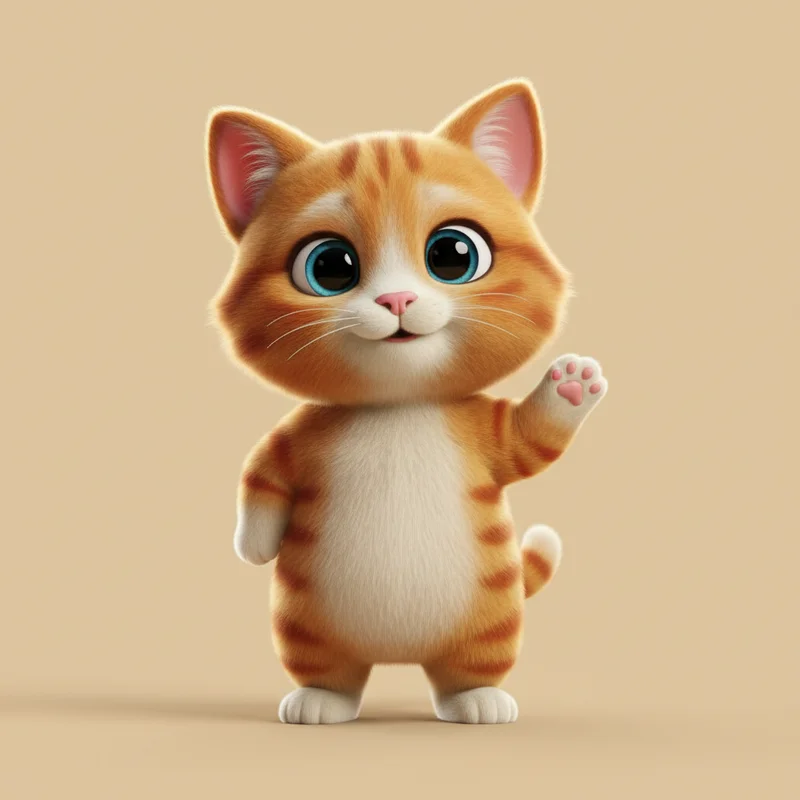
Cat

Cat

Domestic feline companion known for independence, agility, and internet fame. Masters of napping and keyboard interruption.

VS
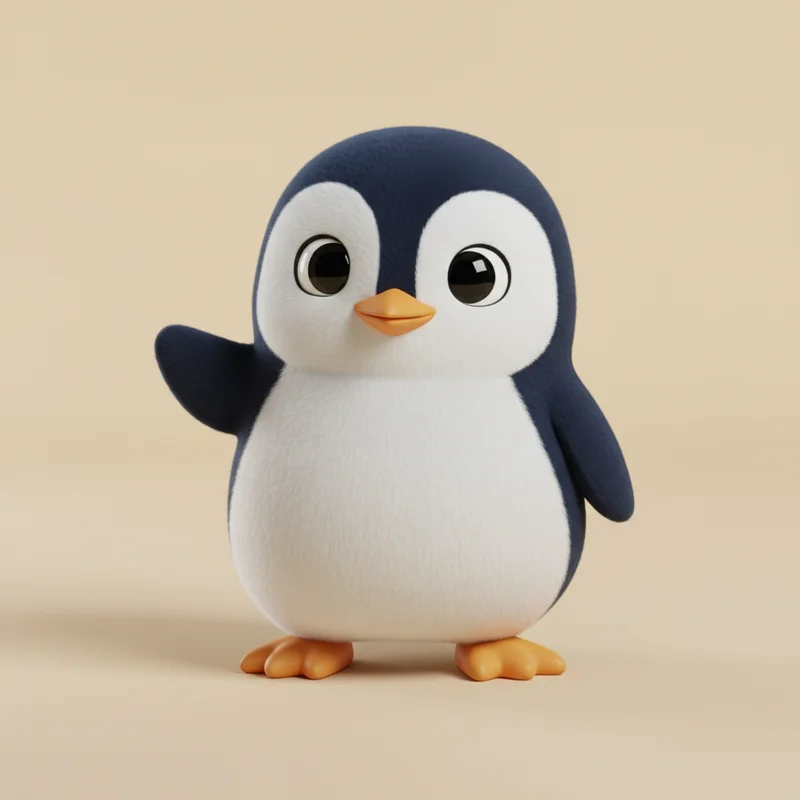
Penguin

Penguin

Flightless seabird thriving in Antarctic conditions, famous for adorable waddles and dedicated parenting.

Battle Analysis

Maintenance Cat Wins
70%
30%
Cat Penguin

Cat

The domestic cat presents itself as a low-maintenance companion, a characterisation that proves substantially accurate upon investigation. Self-grooming behaviours consume between 30 and 50 percent of waking hours, reducing human intervention requirements considerably. Litter training occurs with minimal instruction, feeding schedules prove flexible, and veterinary requirements remain modest for indoor specimens. The cat's primary maintenance demand consists of emotional labour: the human must maintain appropriate levels of attention, affection, and treats whilst accepting that reciprocation remains entirely at the cat's discretion.

Penguin

Penguin maintenance presents challenges that would daunt even the most dedicated zoological professional. Captive penguins require water temperatures between 4 and 10 degrees Celsius, refrigeration systems of industrial capacity, and daily fish provisions measured in kilogrammes rather than grammes. Their social nature demands colony housing, whilst their aquatic requirements necessitate pool systems with sophisticated filtration. The average citizen seeking penguin companionship must first acquire facilities rivalling those of a professional aquarium, alongside the budget to operate them indefinitely.

VERDICT

Cats require a litter box and periodic feeding; penguins require industrial refrigeration and a fishmonger's salary
Adaptability Cat Wins
70%
30%
Cat Penguin

Cat

The domestic cat demonstrates what can only be described as remarkable environmental plasticity. From the sweltering markets of Marrakech to the frozen farmsteads of Scandinavia, cats have established themselves on every continent save Antarctica. This species has successfully adapted to urban environments, rural settings, and the peculiar ecosystem of the internet with equal facility. Their dietary flexibility allows them to transition from obligate carnivore to consumer of whatever substance their human servants happen to be eating, provided it captures their momentary interest.

Penguin

The penguin's adaptability, whilst impressive within its specialised niche, remains fundamentally constrained. These remarkable birds have indeed mastered the art of surviving in temperatures that would render most organisms into frozen monuments to poor life choices. However, their thermoregulatory adaptations prove counterproductive in warmer climates, limiting their natural distribution to the Southern Hemisphere's cooler regions. The Emperor penguin's ability to survive Antarctic winters through communal huddling represents evolutionary ingenuity of the highest order, yet one cannot help but note they never considered simply relocating.

VERDICT

Cats have colonised six continents and countless digital platforms, demonstrating unparalleled adaptive capacity
Media presence Cat Wins
70%
30%
Cat Penguin

Cat

The cat's dominion over human media represents perhaps its most decisive contemporary victory. Cat-related content constitutes an estimated 15% of all internet traffic, a figure that would strike terror into the hearts of telecommunications engineers were they not already emotionally compromised by their own feline companions. From the earliest daguerreotypes to the most sophisticated 4K video content, cats have demonstrated an intuitive understanding of visual media that suggests either remarkable coincidence or a species-wide conspiracy of considerable sophistication.

Penguin

The penguin's media presence, whilst substantial, remains concentrated in documentary filmmaking and animated entertainment. March of the Penguins alone generated over 127 million dollars in box office receipts, establishing penguins as credible cinematic draws. The species has served as the protagonist in numerous animated features, from the tap-dancing inhabitants of Happy Feet to the commando operatives of Madagascar. However, the penguin's media presence remains curated and intentional, lacking the spontaneous viral quality that characterises feline content.

VERDICT

Cats command 15% of internet traffic through sheer force of personality and photogenic indifference
Intimidation factor Cat Wins
70%
30%
Cat Penguin

Cat

The cat's intimidation capacity operates on psychological rather than physical dimensions. The unblinking stare of a displeased cat has been documented to cause significant anxiety in humans, despite the obvious size disparity favouring the human. This capacity extends to other animals, with cats successfully intimidating dogs, wildlife, and occasionally postal workers through sheer force of attitude. The midnight hour brings additional capabilities, as cats transform into swift, silent hunters whose eyes reflect available light with unsettling efficiency.

Penguin

Penguins possess minimal intimidation capacity relative to most fauna. Their upright waddle, whilst dignified, fails to inspire fear in potential predators or competitors. Even the Emperor penguin, standing over one metre tall, projects an aura of affable curiosity rather than menace. The penguin's primary defensive strategy consists of collective action and geographic inaccessibility, neither of which translates to individual intimidation. One might note that penguins are preyed upon by leopard seals with an ease that suggests the concept of intimidation never entered their evolutionary calculations.

VERDICT

A cat's withering stare causes genuine psychological distress; a penguin's gaze inspires only affection
Evolutionary success Cat Wins
70%
30%
Cat Penguin

Cat

The evolutionary trajectory of the domestic cat represents one of nature's most cunning success stories. Beginning as a wild predator in the Near East approximately 10,000 years ago, Felis catus has achieved a global population exceeding 600 million individuals. Remarkably, this success was accomplished not through any fundamental physiological modification but through the strategic decision to tolerate human presence near grain stores. The subsequent millennia have seen cats refine their domestication strategy whilst retaining sufficient independence to suggest they merely permit human cohabitation.

Penguin

Penguins have pursued evolutionary success through radical specialisation, abandoning the avian birthright of flight in favour of underwater propulsion. This gambit has proven remarkably successful within Antarctic and sub-Antarctic ecosystems. The 18 extant species represent approximately 40 million years of refinement, producing creatures capable of diving to depths exceeding 500 metres and holding their breath for over 20 minutes. Yet this specialisation carries inherent vulnerabilities, as climate fluctuations threaten the very ice shelves upon which their breeding success depends.

VERDICT

With 600 million specimens and minimal evolutionary investment, cats represent peak efficiency in species propagation
👑

The Winner Is

Cat

58 - 42

Our comprehensive analysis reveals the domestic cat as the superior organism when assessed against practical metrics of modern existence. The cat has achieved global distribution through minimal evolutionary expenditure, conquered human digital infrastructure without apparent effort, and maintained independence whilst securing reliable provisioning. The penguin, whilst undoubtedly magnificent within its specialised domain, has pursued a strategy of radical adaptation that renders it vulnerable to environmental change and entirely unsuitable for domestic integration.

The cat's victory here reflects not superior intrinsic worth but rather strategic positioning for the current epoch. In a world dominated by human settlements and digital connectivity, the cat's evolutionary gambit of tolerating human proximity has proven decisively successful.

Cat
58%
Penguin
42%

Share this battle

More Comparisons