Topic Battle

Where Everything Fights Everything

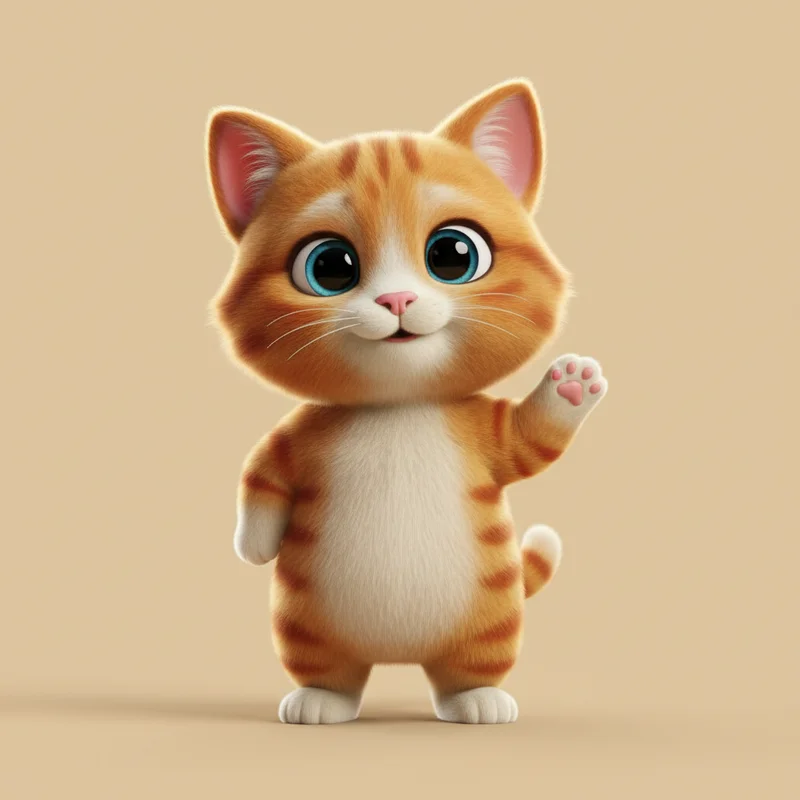
Cat

Cat

Domestic feline companion known for independence, agility, and internet fame. Masters of napping and keyboard interruption.

VS
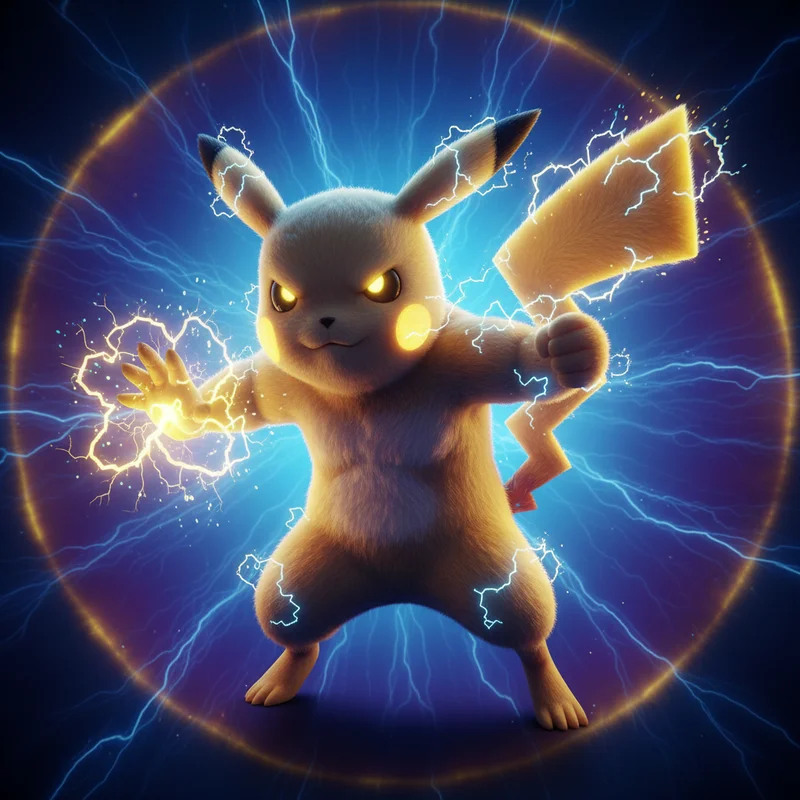
Pikachu

Pikachu

Electric mouse Pokemon and franchise mascot.

Battle Analysis

Combat capability pikachu Wins
30%
70%
Cat Pikachu

Cat

The domestic cat possesses genuine combat capability, albeit at modest scale. Retractable claws, needle-sharp teeth, and reflexes operating at 100 milliseconds make cats formidable predators of creatures smaller than themselves. Cats successfully hunt birds, rodents, and insects, contributing to measurable ecological impact. In defensive situations, cats inflict genuine damage, as emergency room statistics regarding cat bites and scratches readily confirm. Their combat, however, remains limited to the physical realm and prey-appropriate scales.

Pikachu

Within its fictional framework, Pikachu commands power sufficient to fell considerably larger opponents. The creature's signature move, Thunderbolt, delivers 100,000 volts of electrical discharge. Pikachu has defeated legendary Pokémon, robot armies, and various antagonists across multiple media. In the hierarchy of fictional combat capability, Pikachu ranks impressively. Of course, this power exists entirely within imagination. No actual volts have ever been discharged. The combat is pure narrative.

VERDICT

Fictional omnipotence surpasses actual predatory capability, provided one accepts fictional metrics.
Cultural influence cat Wins
70%
30%
Cat Pikachu

Cat

Cats have shaped human civilisation across millennia. Ancient Egyptians elevated them to divine status, with the goddess Bastet representing protection and motherhood. Medieval Europeans associated cats with witchcraft, leading to mass cullings that some historians link to Black Death proliferation through rat population explosions. The internet age has crowned cats as undisputed content sovereigns, with cat videos generating billions of annual views. The phrase 'herding cats' has entered multiple languages as shorthand for impossible management tasks.

Pikachu

Since 1996, Pikachu has achieved cultural penetration that fictional characters rarely approach. The creature has appeared on Japanese government aircraft, served as mascot for the Japanese national football team's World Cup bid, and maintains permanent presence in the Macy's Thanksgiving Day Parade. 'Pikachu' ranks among the most recognised words globally among those born after 1985. Yet this influence, whilst undeniably vast, remains concentrated within entertainment contexts and specific generational cohorts.

VERDICT

Ten millennia of religious, linguistic, and cultural integration versus three decades of entertainment prominence.
Companionship quality cat Wins
70%
30%
Cat Pikachu

Cat

The domestic cat provides companionship of a peculiarly conditional nature. Unlike canines, cats offer affection according to their own inscrutable schedules, creating what psychologists term intermittent reinforcement—the most addictive pattern of reward delivery known to behavioural science. When a cat chooses to curl upon one's lap, the warmth is physical and measurable at approximately 38.6 degrees Celsius. The purr, oscillating between 25 and 150 hertz, has documented therapeutic properties. However, this companionship may be withdrawn without notice, explanation, or appeal.

Pikachu

Pikachu's companionship, by contrast, remains eternally consistent. Within its fictional universe, the creature demonstrates unwavering loyalty to its trainer, expressed through the catchphrase 'Pika-pika' and a willingness to deploy 100,000 volts in defence of its companion. For those who engage with Pokémon media, this relationship provides reliable emotional stimulus. Yet Pikachu cannot curl upon one's lap. It generates no warmth save that conjured by imagination. Its companionship exists entirely within the realm of parasocial relationship—deeply felt, but fundamentally unreciprocated.

VERDICT

Physical presence and genuine reciprocal relationship, however capricious, outweighs reliable fictional devotion.
Emotional reliability cat Wins
70%
30%
Cat Pikachu

Cat

The cat's emotional delivery system operates with notorious unpredictability. A cat that sought affection yesterday may bite the same hand today. Mood shifts occur without warning, governed by factors invisible to human perception. This unreliability, paradoxically, intensifies emotional investment—owners work ceaselessly to decode feline preferences, creating genuine relationship depth through sustained attention. The cat's independence is simultaneously its most frustrating and most compelling characteristic.

Pikachu

Pikachu delivers emotional consistency with mechanical precision. The character never disappoints, never ignores, never bites unexpectedly. In video games, Pikachu's affection increases predictably through care and battle partnership. In the animated series, Pikachu's loyalty remains constant across hundreds of episodes. This reliability provides low-variance emotional return but eliminates the tension that makes relationships meaningful. Pikachu is always there, which means its presence carries less weight.

VERDICT

Genuine unpredictability creates deeper emotional engagement than programmed consistency.
Merchandise potential pikachu Wins
30%
70%
Cat Pikachu

Cat

The cat merchandise industry generates substantial revenue through pet supplies, veterinary services, and decorative items. Cat-themed products populate gift shops across the globe, from ceramic figurines to novelty socks. However, no single corporate entity controls cat imagery. Anyone may produce and sell cat merchandise without licensing fees. This democratic accessibility dilutes per-unit profit margins whilst enabling market saturation. The global pet industry exceeds $260 billion annually, with cats claiming approximately 30% of companion animal spending.

Pikachu

Pikachu represents the commercial pinnacle of character merchandising. As flagship of the highest-grossing media franchise in history, the character appears on products spanning every conceivable category: apparel, homewares, food packaging, airline livery, and limited-edition luxury collaborations. Each item requires licensing from The Pokémon Company, creating concentrated profit extraction unprecedented in character commerce. A single official Pikachu plush generates more margin than a hundred unlicensed cat cushions.

VERDICT

Controlled intellectual property monetisation extracts greater commercial value than democratised cat imagery.
👑

The Winner Is

Cat

53 - 47

This investigation reveals a contest between two fundamentally different categories of devotion object. Pikachu represents the apex of deliberate creature design: proportions calibrated to trigger nurturing instinct, personality engineered for maximum appeal, merchandise opportunities optimised across every conceivable product category. Its commercial success is genuinely extraordinary, its emotional impact upon hundreds of millions entirely real despite its fictional nature.

Yet the cat operates in reality, with all the complications that entails. It sheds fur, requires veterinary attention, and may scratch furniture valued above itself. It offers affection on terms it alone determines, creating relationship dynamics that cannot be reduced to game mechanics. The cat has witnessed the rise and fall of countless fictional characters, and shall witness many more whilst continuing its ten-thousand-year occupation of human homes.

By a margin of 53 to 47, the cat claims victory. This verdict acknowledges Pikachu's remarkable achievements whilst recognising that physical existence, with all its inconveniences, confers advantages that no amount of commercial success can replicate.

Cat
53%
Pikachu
47%

Share this battle

More Comparisons