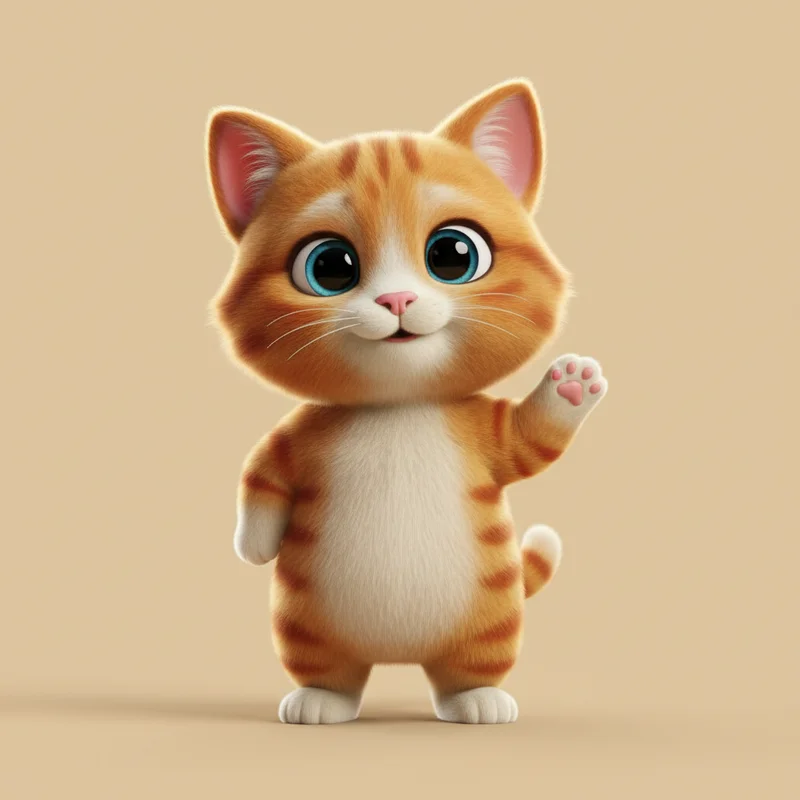
Cat
The domestic cat maintains operational capacity for 15 to 20 years under typical household conditions, with some specimens exceeding three decades of continuous service. This longevity requires no warranty extensions, no replacement parts beyond those synthesised internally, and no professional repair interventions beyond occasional veterinary consultation.
Cats self-repair minor damage through biological processes that consumer electronics manufacturers can only envy. Scratches heal, fur regrows, and general wear distributes across a continuously regenerating system. The cat's durability represents four billion years of engineering refinement, producing a robustness that silicon-based technologies have yet to approach.
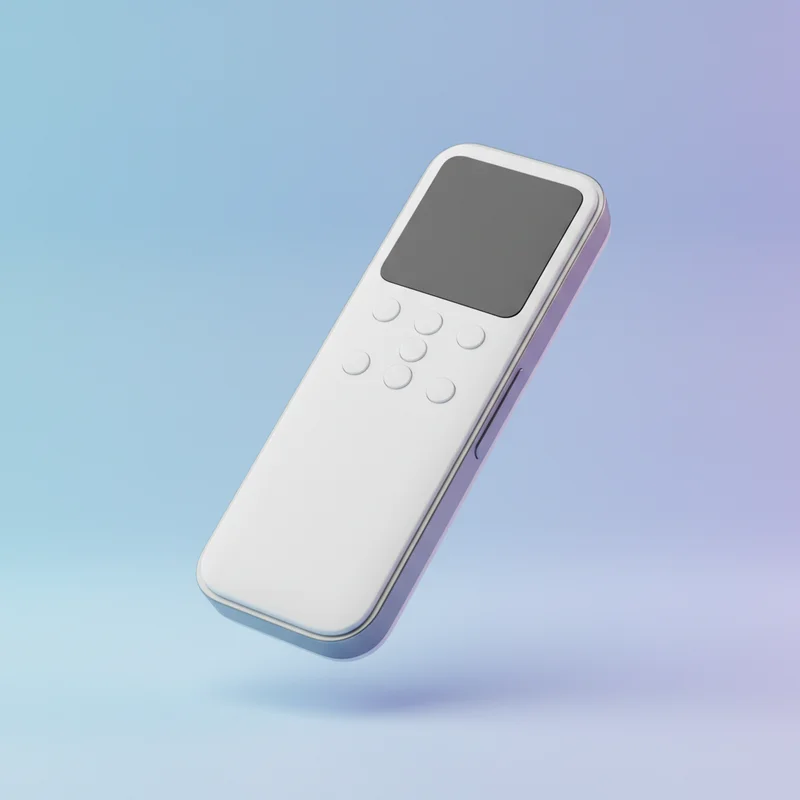
Remote Control
Remote control durability varies considerably by manufacturer and household conditions. Average operational lifespan falls between three and seven years, with premature failure often resulting from beverage spillage, sofa compression, or the mysterious battery corrosion that afflicts devices left dormant for extended periods.
Button degradation proves the most common failure mode, with frequently used controls, particularly volume and channel changing, wearing through rubber membranes after several thousand actuations. Unlike cats, remote controls cannot heal button damage through rest and nutrition. Once worn, they proceed inevitably towards complete non-functionality, requiring replacement rather than recovery.