Topic Battle

Where Everything Fights Everything

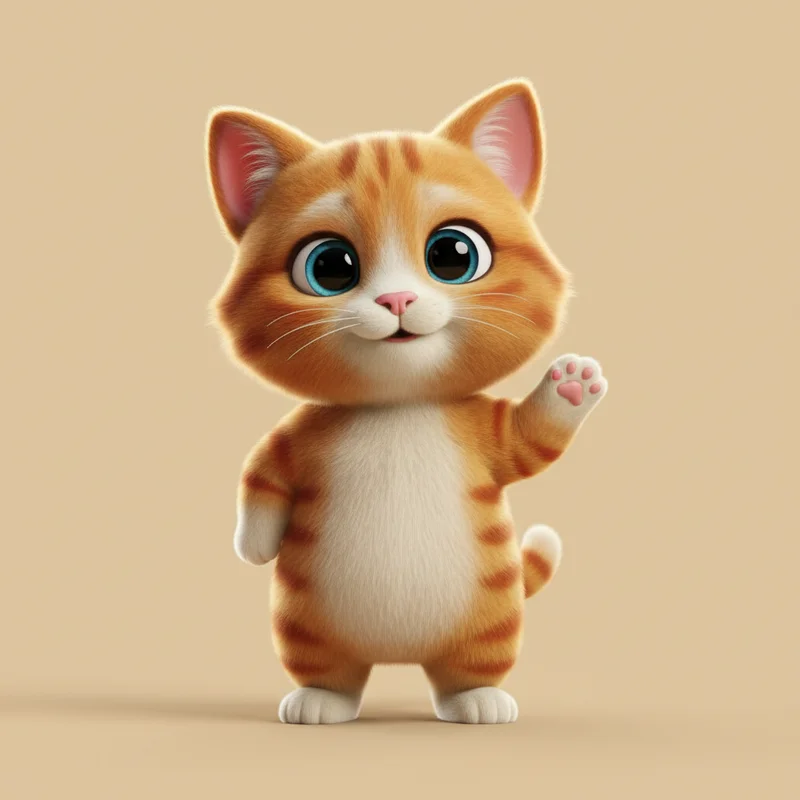
Cat

Cat

Domestic feline companion known for independence, agility, and internet fame. Masters of napping and keyboard interruption.

VS
Rubber Duck

Rubber Duck

A debugging tool for programmers and bathtub companion for everyone else. This hollow yellow bird has solved more software bugs than most senior engineers. Also squeaks.

Battle Analysis

Comfort provision cat Wins
70%
30%
Cat Rubber Duck

Cat

The purring cat delivers measurable therapeutic benefits documented in peer-reviewed literature. Feline purrs oscillate between 25-150 Hz, frequencies associated with bone density maintenance and wound healing acceleration. Studies indicate cat ownership correlates with 30% reduced risk of cardiovascular mortality, though causation remains debated.

The tactile comfort of feline fur provides documented stress reduction, with cortisol levels decreasing measurably during human-cat interaction. The phenomenon of a cat choosing to sleep on or near its human creates emotional validation that rubber products cannot replicate. This selective affection, precisely because it must be earned, carries greater psychological weight.

Rubber Duck

VERDICT

Therapeutic purring frequencies and active companionship exceed passive presence
Global recognition rubber-duck Wins
30%
70%
Cat Rubber Duck

Cat

The cat achieves near-universal recognition across human cultures, appearing in religious iconography from ancient Egypt's Bastet to Japanese maneki-neko figurines. Internet culture has elevated feline imagery to unprecedented prominence, with cat videos accumulating billions of views annually. The phrase 'cat video' requires no translation in the digital lexicon.

Linguistic evidence further demonstrates feline cultural penetration. The word for cat shows remarkable phonetic consistency across unrelated languages—gato, chat, Katze, kot—suggesting either ancient linguistic roots or something approaching species-level branding success.

Rubber Duck

VERDICT

Billboard chart success and accidental oceanographic fame exceed viral video metrics
Evolutionary success cat Wins
70%
30%
Cat Rubber Duck

Cat

The domestic cat represents one of nature's most remarkable evolutionary narratives. From the deserts of the Fertile Crescent approximately 10,000 years ago, these obligate carnivores recognised an opportunity in human grain storage facilities—not for the grain itself, but for the rodents it attracted. This strategic positioning near human settlements initiated a process of self-domestication unprecedented in the animal kingdom.

Today, cats occupy every continent except Antarctica, having achieved this distribution almost entirely through human assistance. Their genome shows remarkably few changes from their wild ancestors, suggesting they domesticated humans rather more than humans domesticated them. This represents evolutionary efficiency of the highest order.

Rubber Duck

VERDICT

Ten millennia of strategic co-evolution versus spontaneous industrial generation
Territorial dominance cat Wins
70%
30%
Cat Rubber Duck

Cat

Cats maintain territory through an sophisticated array of behaviours refined over millions of years. Scent marking via facial pheromones, urine spraying, and scratch marking establishes invisible boundaries that communicate complex social information to other felines. A single domestic cat may patrol a territory ranging from 0.5 to 5 hectares, depending on resource availability and population density.

Within the home, cats demonstrate remarkable territorial flexibility, claiming multiple locations throughout the day based on sunlight patterns, temperature gradients, and the strategic advantage of elevated positions. Their territory expands and contracts dynamically, a testament to millions of years of predatory refinement.

Rubber Duck

VERDICT

Dynamic territorial intelligence outweighs static positional permanence
Maintenance requirements rubber-duck Wins
30%
70%
Cat Rubber Duck

Cat

The domestic cat demands a considerable maintenance infrastructure despite projecting an image of independence. Annual veterinary costs in developed nations average $200-400, excluding emergency care. Daily requirements include approximately 200-300 calories of species-appropriate nutrition, fresh water, and litter box facilities requiring regular sanitation.

The psychological maintenance burden proves equally substantial. Cats require environmental enrichment, vertical territory access, and social interaction calibrated to individual temperament. Failure to provide adequate stimulation results in destructive behaviours, excessive vocalisation, or the dreaded 3 AM zoomies—a phenomenon that has destroyed more human sleep cycles than any other domestic animal behaviour.

Rubber Duck

VERDICT

Zero maintenance versus substantial ongoing physical and emotional investment
👑

The Winner Is

Cat

58 - 42

Our investigation reveals a contest more nuanced than initial appearances might suggest. The rubber duck, that unassuming sentinel of bathroom hygiene, demonstrates unexpected competencies in global recognition and maintenance efficiency. Its Billboard chart success and oceanographic contributions represent achievements that no living cat, however viral, has yet matched.

Yet the cat's advantages prove decisive in the categories that matter most to sustained domestic relevance. Ten millennia of co-evolutionary refinement cannot be dismissed, nor can the measurable therapeutic benefits of feline companionship. The cat adapts, responds, and engages in ways that manufactured cheerfulness cannot replicate. It demands more, certainly—but it returns more in kind.

The rubber duck shall continue its silent vigil over humanity's bathing rituals, unchanged and unchanging. But it is the cat, with all its complexity and contradiction, that has truly conquered the domestic sphere. The duck floats; the cat reigns.

Cat
58%
Rubber Duck
42%

Share this battle

More Comparisons