
Topic Battle

Where Everything Fights Everything

Cat

Cat

Domestic feline companion known for independence, agility, and internet fame. Masters of napping and keyboard interruption.

VS
Salad

Salad

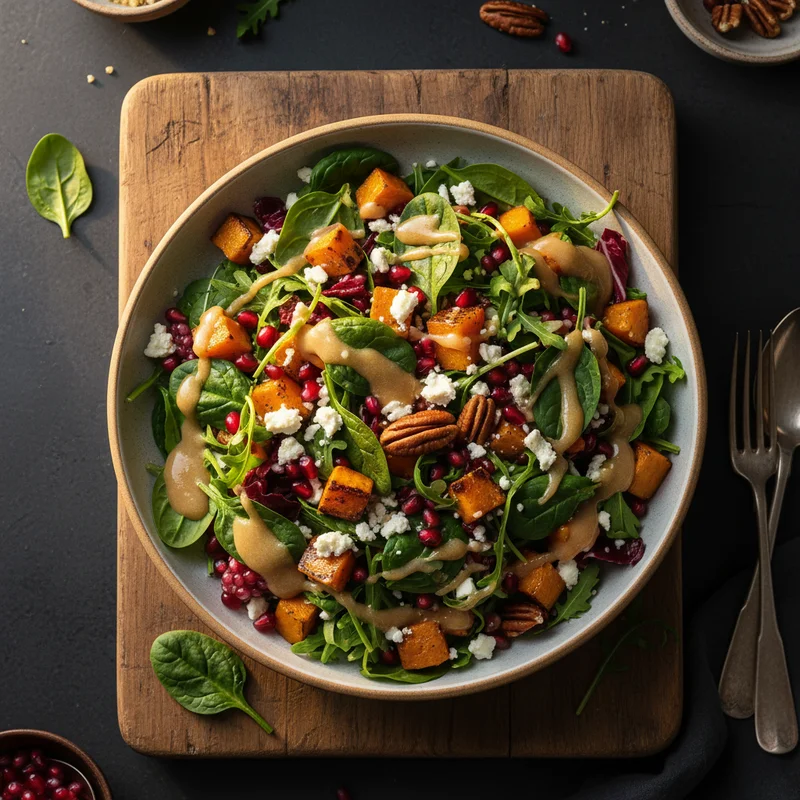
Vegetable arrangement that becomes a meal when you add enough toppings.

Battle Analysis

Longevity Cat Wins
70%
30%
Cat Salad

Cat

The domestic cat achieves a lifespan of 15 to 20 years under favourable conditions, with documented cases exceeding 30 years. Throughout this period, the cat maintains its essential character, developing individual personality traits that deepen the human-feline relationship over time. The cat accumulates history, creating biographical significance impossible for any consumable item.

This longevity carries corresponding weight. The cat becomes integrated into human life patterns, household routines, and emotional landscapes. Its eventual absence creates grief indistinguishable from human bereavement, testimony to the depth of connection formed across decades of shared existence.

Salad

Salad longevity measures in days rather than years. Optimal consumption occurs within 24 to 48 hours of preparation; beyond this window, textural degradation and microbial colonisation render the salad increasingly unappealing. Dressed salad deteriorates within hours. The salad exists as a fundamentally temporary phenomenon.

This impermanence defines the salad's essential nature. Each salad represents a discrete event rather than a continuous relationship. Yesterday's salad bears no connection to today's. The salad offers presence without permanence, satisfaction without attachment, nutrition without narrative.

VERDICT

Two decades of accumulated relationship outweigh any number of rapidly decomposing vegetable arrangements.
Social utility Cat Wins
70%
30%
Cat Salad

Cat

Cat ownership creates immediate conversational common ground with an estimated 600 million cat owners worldwide. Photographs of cats consistently outperform other content categories in social media engagement metrics. The cat serves as social currency, providing topics for discussion, objects for shared admiration, and excuses for abbreviated social engagements.

Cats also facilitate human connection through shared experience narratives. Tales of feline misbehaviour, inexplicable preferences, and occasional affection generate reliable conversational material. The cat functions as a social bridge, connecting humans who might otherwise struggle to identify common interests.

Salad

Salad provides social utility primarily through its role in communal eating. The shared salad bowl appears at gatherings across cultures, representing health-consciousness and culinary sophistication simultaneously. Bringing salad to social events signals consideration for dietary restrictions without requiring extensive preparation skill.

However, salad-based conversation proves limited in scope and duration. Beyond brief discussions of ingredient selection or dressing preferences, salad offers minimal conversational fodder. No one has ever bonded over shared salad ownership experiences or formed lasting friendships through mutual vegetable appreciation.

VERDICT

Living companions generating ongoing narrative content provide superior social utility compared to transient food items.
Emotional support Cat Wins
70%
30%
Cat Salad

Cat

Cats provide emotional support through mechanisms that neurochemistry has only recently begun to explain. Physical contact with a cat triggers oxytocin release in the human brain, creating bonding sensations indistinguishable from those experienced with human companions. The purring frequency of 25 to 150 Hz falls within ranges associated with therapeutic benefit, a coincidence too precise to dismiss.

The cat offers responsive companionship. It appears capable of detecting human emotional states and, on occasions of its choosing, provides comfort through proximity. The relationship deepens over years of cohabitation, creating attachment bonds that persist through significant life changes. No quantity of leafy greens has ever greeted a human at the door after a difficult day.

Salad

Salad provides emotional support of a strictly circumstantial nature. The act of preparing salad offers meditative benefits similar to other repetitive manual tasks. Consuming salad generates satisfaction associated with virtuous behaviour, particularly among those who believe they should consume more vegetables than they actually prefer.

This emotional contribution proves fleeting. The salad cannot offer companionship, cannot respond to human distress, and cannot provide the unprompted affection that characterises successful emotional support relationships. Its psychological benefits derive entirely from human projection rather than any inherent property of the vegetation itself.

VERDICT

Living creatures capable of reciprocal emotional engagement provide demonstrably superior support compared to inert vegetable matter.
Nutritional value Salad Wins
30%
70%
Cat Salad

Cat

The cat provides zero direct nutritional value to its human cohabitant under normal circumstances. Consuming one's cat falls outside acceptable social parameters in virtually all cultures where cat ownership occurs. The cat is, nutritionally speaking, a net negative, requiring regular inputs of protein-rich food whilst offering no caloric return whatsoever.

This assessment must acknowledge certain indirect nutritional contributions. Studies indicate that cat ownership correlates with reduced cortisol levels, which may improve nutrient absorption. The cat's presence during meals provides psychological satisfaction that some researchers argue enhances the dining experience. These secondary effects, however, cannot compensate for the fundamental reality: the cat takes and does not give, at least in strictly nutritional terms.

Salad

Salad delivers measurable nutritional benefits with remarkable efficiency. A properly constructed salad provides fibre, vitamins A, C, and K, folate, and various antioxidants whilst typically containing fewer than 200 calories before dressing intervention. The nutritional density per kilogram rivals most food categories.

The salad's nutritional profile improves further with thoughtful component selection. Addition of legumes introduces complete proteins. Nuts contribute healthy fats and minerals. The salad functions as a nutritional delivery vehicle of considerable versatility, capable of addressing multiple dietary requirements within a single dish.

VERDICT

The salad's measurable nutritional contributions cannot be contested by an entity that provides no edible value under civilised circumstances.
Maintenance requirements Salad Wins
30%
70%
Cat Salad

Cat

Cat maintenance demands represent a significant ongoing commitment. Daily requirements include feeding, watering, and litter management, consuming approximately 30 to 45 minutes when properly executed. The cat requires annual veterinary visits, periodic grooming depending upon breed characteristics, and environmental enrichment to prevent behavioural deterioration.

Long-term cat maintenance extends across a lifespan of 15 to 20 years. Costs accumulate substantially over this period, with veterinary care alone averaging several hundred pounds annually. The maintenance burden does not diminish with time; indeed, elderly cats often require increased attention as health complications emerge.

Salad

Salad maintenance requirements prove comparatively minimal. Refrigerated storage extends vegetable viability to three to seven days depending upon component selection. Preparation time ranges from five to fifteen minutes for standard configurations. The salad makes no demands between preparation and consumption.

The salad's low maintenance profile carries corresponding limitations. Unlike the cat, the salad cannot maintain itself through any period. It will not continue to exist without active human intervention. Within days of acquisition, unattended salad components transition from food to compost, a trajectory no living companion follows so rapidly.

VERDICT

Weekly vegetable management requires substantially less investment than decades of living creature stewardship.
👑

The Winner Is

Cat

58 - 42

The cat prevails through virtues no salad can possess: autonomy, personality, and the capacity for relationship. A creature that chooses human company despite possessing independent survival capability offers something vegetables, however nutritious, cannot approximate.

Salad maintains its rightful place in balanced nutrition. It delivers essential vitamins, satisfies dietary aspirations, and provides the fibre modern digestive systems require. These practical virtues deserve acknowledgement even in defeat.

Yet when the question concerns not mere survival but genuine living, the cat's advantages prove decisive. A refrigerator full of salad cannot greet you at the door, cannot curl against you during difficult evenings, cannot develop quirks and preferences that make each day marginally less predictable. In the final accounting, unpredictable companionship proves more valuable than predictable nutrition, however essential that nutrition remains.

Cat
58%
Salad
42%

Share this battle

More Comparisons