
Topic Battle

Where Everything Fights Everything

Cat

Cat

Domestic feline companion known for independence, agility, and internet fame. Masters of napping and keyboard interruption.

VS
Solar Panel

Solar Panel

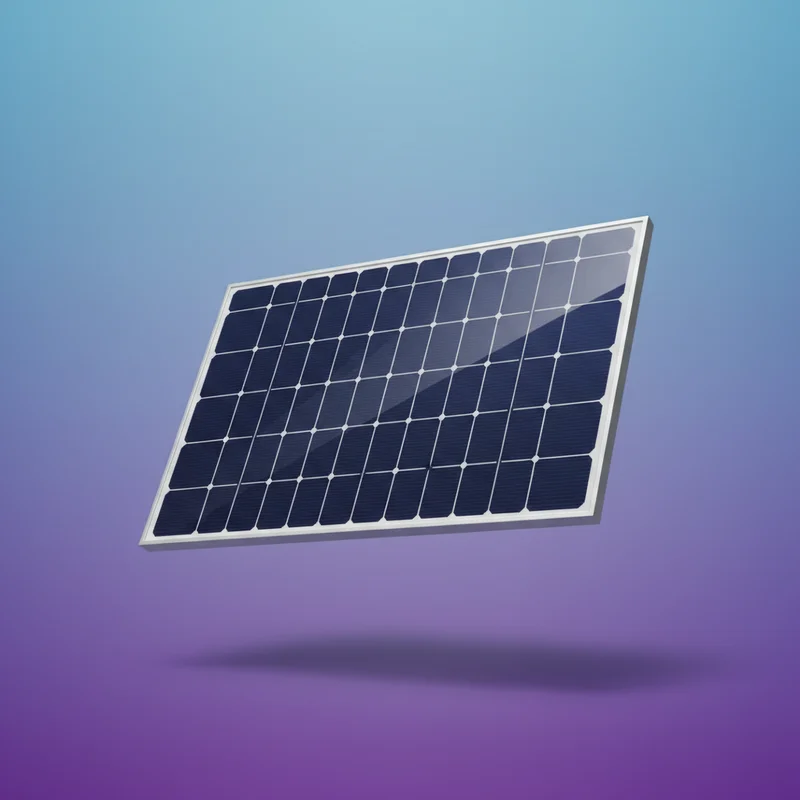
Photovoltaic technology harvesting the sun's energy.

Battle Analysis

Reliability Solar Panel Wins
30%
70%
Cat Solar Panel

Cat

Cat reliability operates on principles entirely divorced from human expectations. They appear when hungry, disappear when satisfied, and maintain schedules comprehensible only to themselves. Attempts to summon cats prove successful approximately 23 percent of the time, a figure that drops to single digits when veterinary visits impend.

This unreliability extends to output consistency. Some days cats provide enthusiastic companionship; others they acknowledge human existence with barely concealed disdain. Performance depends on variables including weather, lunar phase, and factors known only to the cat itself.

Solar Panel

Solar panels demonstrate reliability that approaches mechanical perfection. When sunlight strikes their surface, they produce electricity. When darkness falls, they cease. This binary operation continues for decades without deviation, interruption, or inexplicable sulking. System uptime typically exceeds 99 percent excluding weather-related variations.

Weather dependency represents the panel's primary reliability limitation. Cloud cover reduces output proportionally, and nighttime eliminates production entirely. These limitations, however, follow predictable patterns amenable to forecasting, unlike feline behaviour which remains fundamentally unknowable.

VERDICT

Predictable systems that perform consistently outperform entities whose behaviour defies all forecasting models.
Energy efficiency Solar Panel Wins
30%
70%
Cat Solar Panel

Cat

The domestic cat processes solar energy through an elegantly inefficient biological system. Sunlight absorbed through fur contributes to thermoregulation, reducing metabolic energy expenditure and enabling the 16 to 20 hours of daily sleep that defines feline existence. This represents energy conservation rather than energy production, a crucial distinction.

Caloric output from cats registers in the negative. They consume approximately 200 to 300 calories daily whilst producing nothing that connects to the electrical grid. Their relationship with energy resembles that of a luxury hotel guest rather than a power station, consuming resources whilst contributing primarily atmosphere.

Solar Panel

Modern photovoltaic panels achieve conversion efficiencies between 15 and 22 percent, transforming solar radiation directly into usable electricity. A standard residential installation generates between 250 and 400 watts per panel under optimal conditions, providing measurable energy output that registers on utility meters.

This efficiency, whilst modest by thermodynamic standards, represents one of humanity's more successful attempts to harvest renewable energy. Unlike biological systems, solar panels waste no energy on reproduction, territory defence, or demanding treats at inconvenient hours. Their output correlates directly with input, a refreshingly predictable arrangement.

VERDICT

Entities that produce measurable electrical output outperform those that merely absorb warmth for recreational purposes.
Companionship value Cat Wins
70%
30%
Cat Solar Panel

Cat

Cats provide companionship through mechanisms that transcend mere presence. The weight of a sleeping cat generates pressure measured at approximately 3 to 5 kilograms of therapeutic warmth, triggering oxytocin release in human caregivers. Purring frequencies between 25 and 150 Hz have been associated with bone density maintenance and stress reduction.

Beyond biochemistry, cats offer genuine relationship. They recognise individual humans, develop preferences, and communicate through an expanding vocabulary of vocalisations adapted to their specific household. This cognitive engagement creates companionship solar panels cannot approximate regardless of their other virtues.

Solar Panel

Solar panels provide companionship in the loosest possible interpretation of the term. They occupy rooftop space with silent dedication, converting photons to electrons without acknowledgment of human presence below. No panel has ever greeted a homeowner, responded to its name, or provided comfort during difficult emotional periods.

Some owners develop pride in their installations, monitoring output with satisfaction and discussing performance with neighbours. This relationship, whilst meaningful to participants, lacks reciprocity. The panel remains indifferent to human attention, offering neither affection nor judgment, merely electrons.

VERDICT

Living creatures capable of recognition, affection, and reciprocal relationship provide companionship no equipment can match.
Return on investment Solar Panel Wins
30%
70%
Cat Solar Panel

Cat

The financial return on feline investment defies conventional economic analysis. Initial acquisition ranges from $0 to $2,000 depending on source and pedigree, with lifetime costs between $15,000 and $30,000 including food, veterinary care, and accessories. The cat provides no monetary return whatsoever.

However, cats deliver returns in non-fungible currencies. Companionship, entertainment, and the peculiar satisfaction of earning approval from an entity that clearly considers itself superior, these benefits resist quantification but prove valuable nonetheless. Studies suggest cat ownership correlates with reduced cardiovascular risk, though causation remains debated.

Solar Panel

Solar installations demonstrate calculable returns with refreshing clarity. A typical $15,000 to $25,000 residential system generates electricity worth $1,000 to $2,000 annually, achieving payback within 7 to 12 years depending on local utility rates. Subsequent years represent pure profit.

Additional returns include increased property values, energy independence, and the psychological satisfaction of reduced carbon footprint. These benefits, unlike feline companionship, appear directly on financial statements and tax returns, satisfying accountants in ways cats never could.

VERDICT

Investments generating measurable financial returns outperform those generating only emotional satisfaction and furniture damage.
Maintenance requirements Solar Panel Wins
30%
70%
Cat Solar Panel

Cat

Feline maintenance demands prove substantial when properly catalogued. Daily requirements include feeding twice, litter management, fresh water provision, and sufficient interaction to prevent behavioural deterioration. Annual veterinary visits add $200 to $500 in routine costs, with emergency care potentially reaching thousands.

Cats also maintain themselves through extensive grooming protocols, spending approximately 30 to 50 percent of waking hours on self-cleaning. This reduces but does not eliminate human intervention requirements. Hairball management, claw trimming, and furniture protection add periodic demands that solar panels never impose.

Solar Panel

Solar panel maintenance approaches the theoretical minimum for functional equipment. Annual cleaning to remove debris, occasional inspection of mounting hardware, and monitoring of inverter function comprise the entirety of required attention. Most installations operate for 25 to 30 years with negligible intervention.

Panel degradation occurs at approximately 0.5 percent annually, a predictable decline that requires no emergency response. They do not vomit on carpets, scratch furniture, or demand attention at 3 AM. Their maintenance schedule respects human sleep patterns with a consistency cats find philosophically offensive.

VERDICT

Equipment requiring annual cleaning outperforms creatures requiring daily feeding, veterinary care, and emotional attention.
👑

The Winner Is

Cat

52 - 48

The cat prevails through virtues that resist quantification but define quality of life. Solar panels power homes with admirable efficiency, generating returns that satisfy financial analysts and environmental advocates alike. They represent human ingenuity applied to sustainable energy with measurable success.

Yet the cat provides something no panel can generate: presence that matters. A creature that chooses to occupy the same sunbeam, that acknowledges human return with sounds approximating greeting, that transforms empty rooms into inhabited spaces. These contributions appear on no meter but register nonetheless.

In the final accounting, both entities worship the sun, but only one worships alongside us. The solar panel converts light to power; the cat converts cohabitation to companionship. Both transformations prove valuable, but one addresses needs more fundamental than electricity, however essential electricity remains.

Cat
52%
Solar Panel
48%

Share this battle

More Comparisons