Topic Battle

Where Everything Fights Everything

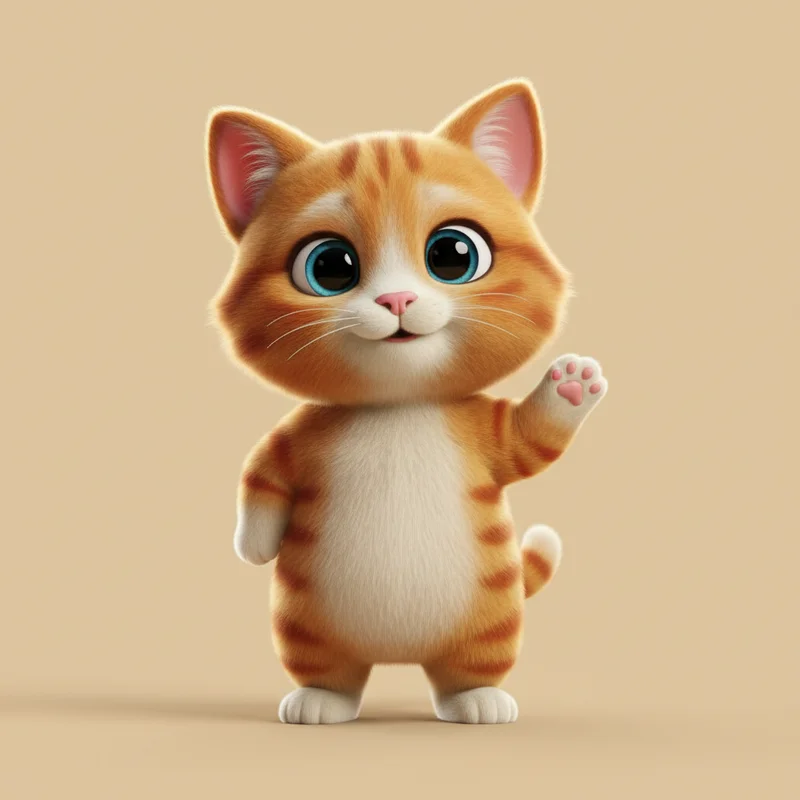
Cat

Cat

Domestic feline companion known for independence, agility, and internet fame. Masters of napping and keyboard interruption.

VS
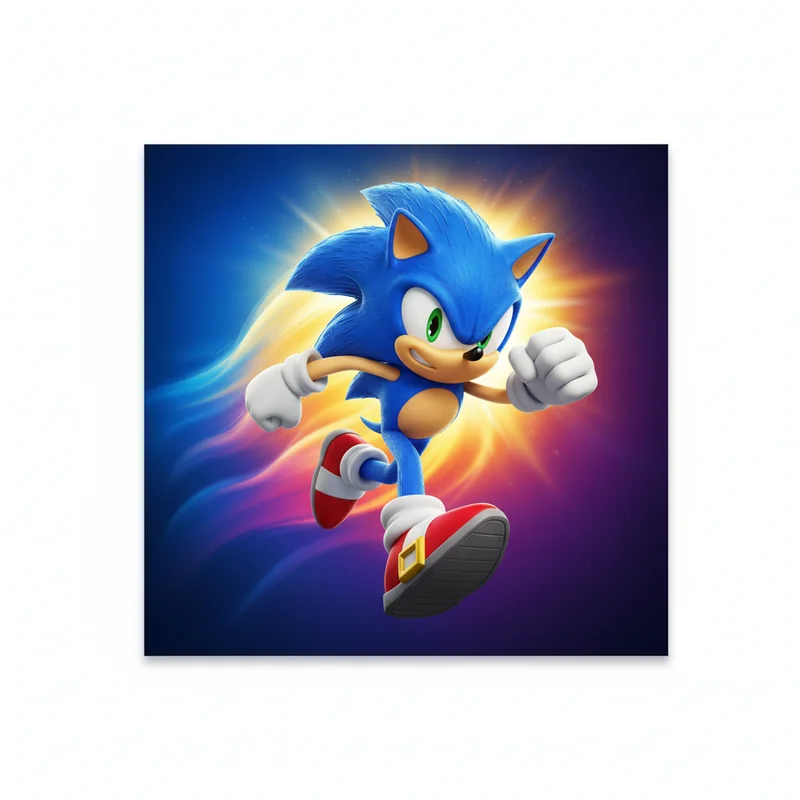
Sonic

Sonic

Blue hedgehog with attitude and speed.

Battle Analysis

Internet dominance Cat Wins
70%
30%
Cat Sonic

Cat

The cat has achieved something unprecedented in human history: the transformation of a predatory animal into the internet's primary content category. Cat videos generate billions of views annually, with compilations of felines failing to navigate household obstacles accumulating watch time that exceeds the combined GDP of several small nations. The species has spawned memes, reaction images, and an entire vocabulary of internet communication. One cannot browse social media for fifteen minutes without encountering a cat demanding attention it has done nothing to earn.

Sonic

Sonic maintains a substantial internet presence, though one largely confined to gaming communities, nostalgia forums, and a fan art ecosystem of questionable artistic merit. The character generates controversy approximately once per month, typically regarding new game quality or the disturbing design choices in film adaptations. His meme potential peaked in the late 2010s with the 'Sanic' phenomenon, wherein deliberately poor drawings of the hedgehog achieved ironic appreciation. This represents a curious achievement in which failure became a form of success.

Merchandise empire Cat Wins
70%
30%
Cat Sonic

Cat

Cat-themed merchandise constitutes a $100 billion global industry, encompassing everything from the practical to the profoundly unnecessary. Cat-shaped objects, cat-printed textiles, and cat-adjacent accessories populate every conceivable retail category. The species has inspired furniture designed around their comfort, architecture modified for their passage, and an entire industry of products promising to decode their enigmatic expressions. Humans willingly purchase items decorated with creatures that would ignore them entirely given the option.

Sonic

The Sonic franchise has generated merchandise across hundreds of product categories, from plush toys to luxury trainers to promotional fast food offerings. Licensed products include video games, apparel, accessories, and inexplicable collaborations with brands whose connection to supersonic hedgehogs remains unclear. However, all Sonic merchandise references a single intellectual property, whereas cat merchandise draws upon millions of individual animals, creating a decentralised merchandise empire of unprecedented scale.

Speed capabilities Sonic Wins
30%
70%
Cat Sonic

Cat

The domestic cat achieves maximum velocities of approximately 30 miles per hour in short bursts, typically when pursuing prey or fleeing from veterinary appointments. This speed is deployed strategically and sparingly, with cats spending an average of 15 hours daily in states of complete motionlessness. The species has correctly identified that constant velocity is inefficient; selective speed deployment represents superior evolutionary strategy. A cat sprinting across a kitchen at 3 AM demonstrates that pace is more impressive when unexpected.

Sonic

Sonic the Hedgehog officially travels at speeds exceeding 767 miles per hour, breaking the sound barrier with such regularity that one wonders why his adventures require any time at all. This velocity is his defining characteristic, his entire reason for existence, the singular trait upon which a multimedia empire has been constructed. Yet this speed is purely theoretical, existing only within digital environments. No physical hedgehog has approached these velocities; actual hedgehogs struggle to exceed four miles per hour.

Competitive attitude Cat Wins
70%
30%
Cat Sonic

Cat

Cats display supreme indifference to competition of any kind, a strategic approach that paradoxically enhances their competitive position. By refusing to acknowledge rivals, cats avoid the appearance of insecurity. They do not market themselves; they merely exist with such conviction that marketing becomes unnecessary. This attitude of casual superiority has proven more effective than deliberate brand management, creating the impression that cat appreciation is organic discovery rather than manufactured enthusiasm.

Sonic

Sonic was explicitly created to embody 'attitude', a marketing term describing the specific blend of confidence and rebelliousness that appealed to 1990s youth demographics. His competitive stance against Mario defined a generation of brand warfare. Yet this deliberate coolness has aged inconsistently, with modern audiences sometimes perceiving manufactured attitude as somewhat desperate. The character must constantly demonstrate his relevance, a burden cats have never borne.

Human emotional manipulation Cat Wins
70%
30%
Cat Sonic

Cat

Cats have perfected a manipulative arsenal developed over millennia of human cohabitation. The slow blink triggers nurturing responses in human observers. Purring frequencies between 25 and 150 hertz promote healing and emotional bonding. Strategic deployment of vulnerability, combined with displays of haughty indifference, creates an addictive cycle of seeking approval that is never fully granted. Cats have essentially trained humans to provide shelter, food, and medical care in exchange for conditional tolerance of their presence.

Sonic

Sonic's emotional manipulation relies upon nostalgia exploitation and the simple effectiveness of a character designed to appear 'cool' to children of the 1990s. His foot-tapping impatience when players pause too long creates urgency. His finger-wagging animations suggest friendly condescension. However, these manipulations are one-directional; Sonic cannot perceive his audience, cannot adjust his approach based on response, cannot withhold affection strategically. His manipulation is broadcast rather than bespoke.

👑

The Winner Is

Cat

56 - 44

This investigation reveals that cats and Sonic represent two fundamentally different approaches to achieving cultural dominance. Sonic operates through deliberate design: a character engineered for appeal, marketed through coordinated campaigns, maintained through continuous content production. Cats operate through what can only be described as aggressive passivity, achieving worship through the simple expedient of existing whilst appearing soft and occasionally vulnerable.

The cat emerges victorious with a score of 56 to 44, its triumph built upon the unassailable advantages of biological existence and millennia of practice in human manipulation. Whilst Sonic must continuously prove his relevance through new games, films, and merchandise, cats merely continue being cats, secure in the knowledge that humanity will continue photographing them regardless of their cooperation.

Sonic's contribution remains significant. He demonstrated that a hedgehog, even a fictional one, could achieve cultural permanence through velocity and attitude. His influence on gaming, brand competition, and acceptable levels of anthropomorphism has shaped entertainment for three decades. Yet he remains fundamentally a product, dependent upon corporate decisions for his continued existence.

Cat
56%
Sonic
44%

Share this battle

More Comparisons