
Cat
The domestic cat operates as a precision instrument of velocity when circumstances demand. Capable of reaching 30 miles per hour in short bursts, the cat deploys acceleration that would shame most sports vehicles. From complete stillness to maximum velocity occurs within fractions of a second, powered by fast-twitch muscle fibres optimised for explosive engagement.
This speed serves multiple functions beyond predation. Escape from threats, territorial patrol efficiency, and the simple joy of what behavioural scientists term 'zoomies' all benefit from feline velocity. The cat treats speed as a tool to be deployed selectively, conserving energy through prolonged rest periods averaging 12 to 16 hours daily before unleashing brief moments of furious activity.
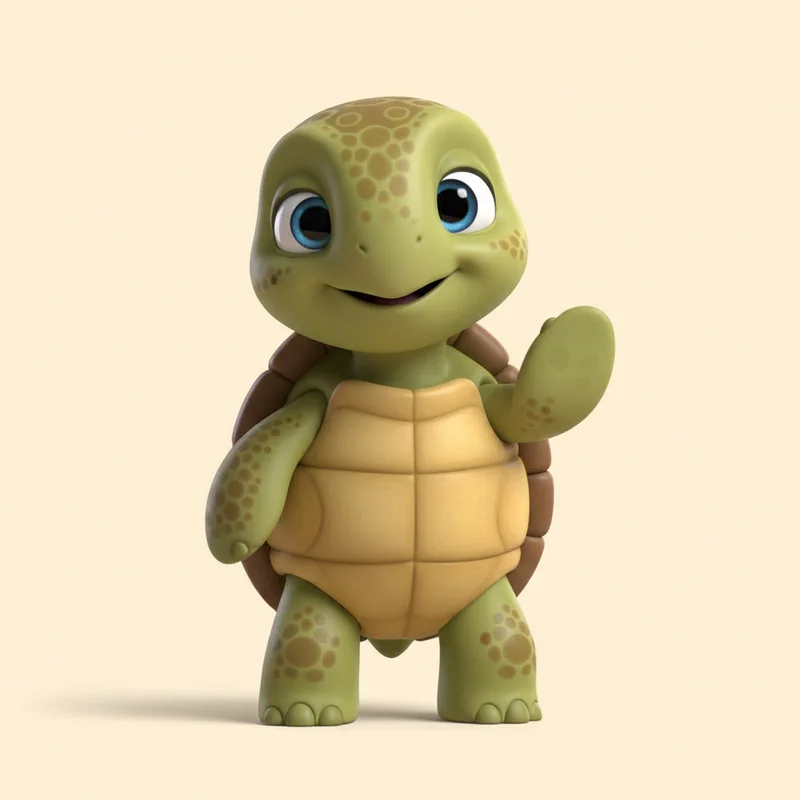
Turtle
The turtle's relationship with speed can only be described as philosophically antagonistic. Most terrestrial species manage approximately 0.2 to 0.5 miles per hour under optimal conditions, a pace that would require roughly two days to complete a standard marathon. Aquatic species fare somewhat better, with sea turtles achieving respectable cruising speeds of 20 miles per hour, though they remain uninterested in demonstrating this capacity with any urgency.
This apparent deficiency represents not failure but deliberate evolutionary choice. The turtle has concluded, correctly across 220 million years of evidence, that arriving quickly matters less than arriving at all. Speed invites recklessness, energy expenditure, and the sort of hasty decisions that lead to extinction. The turtle prefers certainty over celerity.