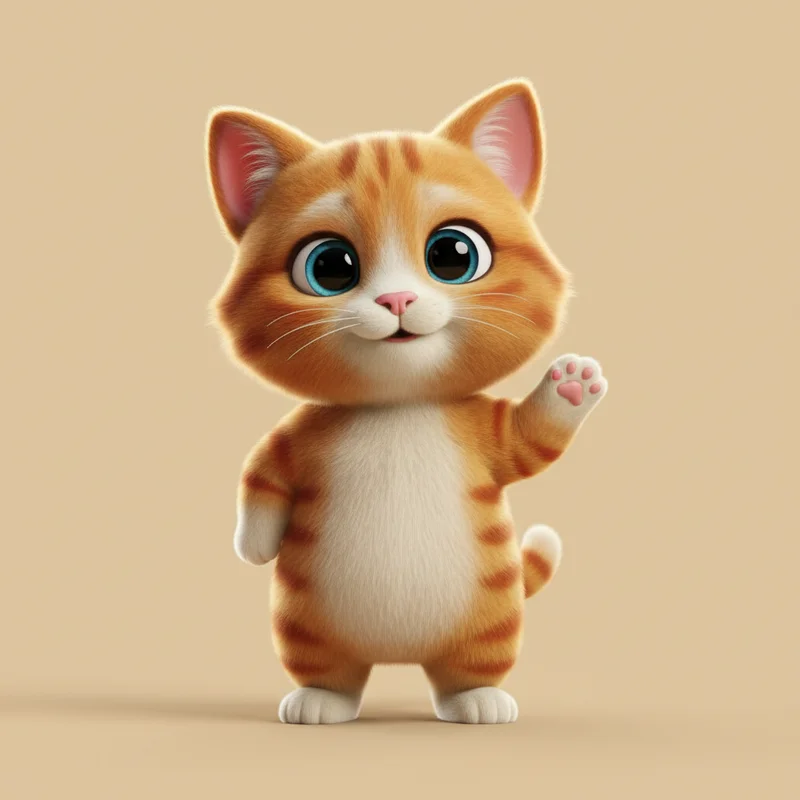

Cat
The domestic cat demonstrates impressive operational lifespan. Average life expectancy ranges from 12 to 18 years, with exceptional specimens exceeding 20 years of continuous service. Throughout this period, the cat maintains core functionality—movement, companionship, entertainment provision—with gradual rather than catastrophic decline. The cat requires no replacement parts, no hardware upgrades, no compatibility patches. It simply continues, day after day, year after year.
This longevity comes at emotional cost. The cat's eventual failure is guaranteed, and the bond formed over years of cohabitation makes that failure genuinely painful in a manner no console retirement can replicate.
Xbox
Xbox longevity follows technology industry patterns rather than biological ones. Each console generation remains relevant for approximately 7 to 10 years before successor hardware renders it functionally obsolete. Games cease receiving support; online services migrate to newer platforms; components fail without replacement availability. The Xbox's planned obsolescence is not a bug but a feature of the technology industry's business model.
However, hardware replacement involves financial cost rather than emotional trauma. When an Xbox fails, one purchases another. The relationship is fundamentally transactional, lacking the grief that accompanies biological endings. Whether this represents advantage or disadvantage depends entirely upon one's philosophical orientation toward material possessions and living creatures.