Topic Battle

Where Everything Fights Everything

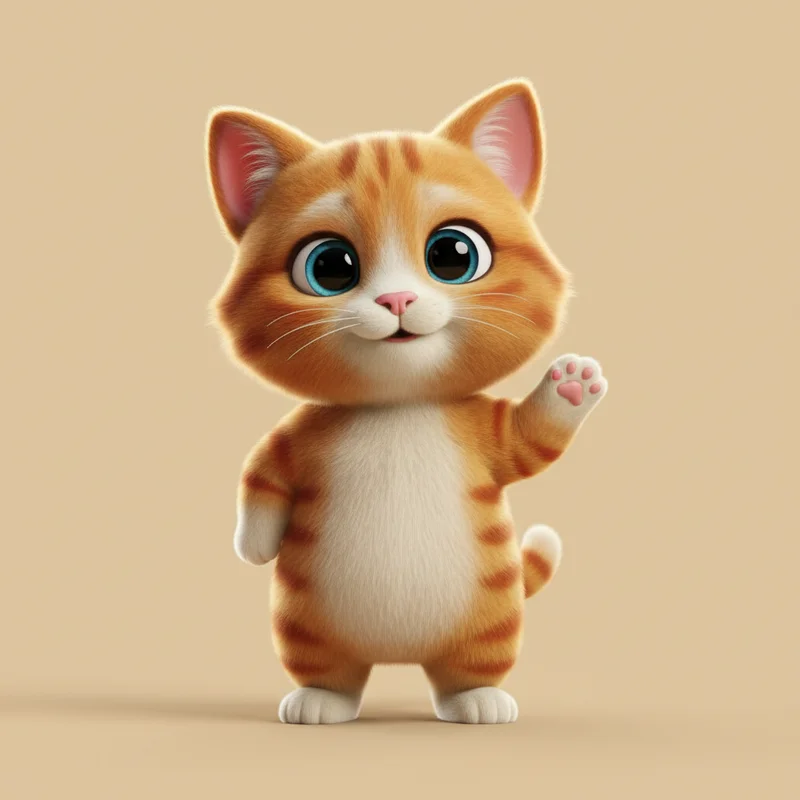
Cat

Cat

Domestic feline companion known for independence, agility, and internet fame. Masters of napping and keyboard interruption.

VS
Yoga

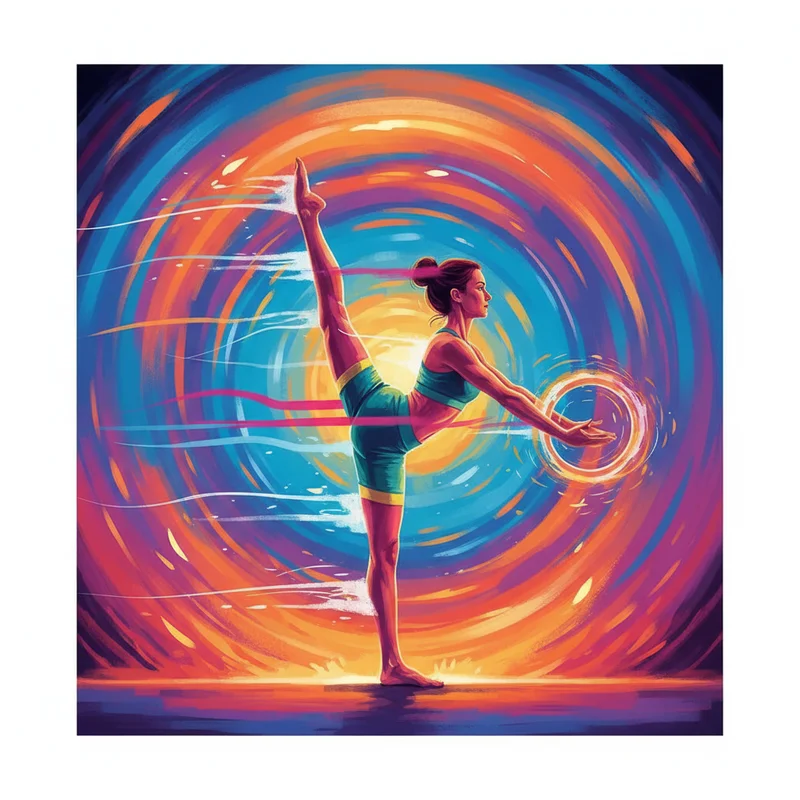
Yoga

Ancient practice of poses and breathing.

Battle Analysis

Flexibility cat Wins
70%
30%
Cat Yoga

Cat

The domestic cat possesses a skeletal structure of approximately 230 bones, featuring a spine of remarkable articulation. Cats lack a true collarbone, enabling them to compress their bodies through openings one would reasonably assume impassable. The feline can rotate its spine to an extraordinary degree, contort into positions that appear to violate basic anatomical principles, and transition from deep sleep to full extension in under two seconds. This flexibility is not achieved; it simply exists as a default state.

Crucially, the cat requires no warm-up, no instructor, and no special attire. Its flexibility operates continuously, whether stalking prey or selecting the most structurally improbable sleeping position available.

Yoga

Yoga offers humans a systematic methodology for developing flexibility through progressive practice. A dedicated practitioner may, after months or years of training, achieve positions that approach feline capability. The discipline encompasses thousands of poses, or asanas, each targeting specific muscle groups and joints. Progress is measurable and, for many practitioners, deeply satisfying.

However, yoga flexibility is fundamentally borrowed rather than inherent. Miss a week of practice, and the body begins reverting to its natural rigidity. The yoga practitioner works against their own physiology; the cat simply is what it is.

VERDICT

Feline flexibility is innate and effortless; human flexibility through yoga requires continuous maintenance against biological resistance
Accessibility yoga Wins
30%
70%
Cat Yoga

Cat

Cat acquisition involves initial effort—adoption fees, veterinary checks, habitat preparation—followed by ongoing maintenance requirements. Feeding, litter management, and healthcare represent continuous obligations. The cat's stress-reduction services are available only when the cat chooses to provide them, which may or may not coincide with human need. One cannot schedule a cat's affection.

Furthermore, cats are geographically fixed to their dwelling. One cannot take a cat to the office, deploy it during a stressful meeting, or access its services whilst travelling. The cat's accessibility, whilst excellent within its territory, is fundamentally location-dependent.

Yoga

Yoga demonstrates remarkable accessibility advantages. The practice requires no equipment beyond the human body—mats are conventional but optional. Yoga can be performed in hotel rooms, parks, offices, or aeroplanes. Free instruction is available through countless online resources. The practice accommodates all fitness levels through modified poses and progression pathways.

Yoga is available on demand, wherever the practitioner finds themselves. Its accessibility is limited only by the practitioner's willingness to engage, not by the availability of any external entity.

VERDICT

Yoga is available anywhere, anytime, requiring only the practitioner's body; cats remain inconveniently fixed to their preferred locations
Stress reduction cat Wins
70%
30%
Cat Yoga

Cat

The domestic cat functions as a remarkably effective stress-reduction apparatus, though not through any intentional effort on its part. Studies have demonstrated that stroking a cat reduces cortisol levels and lowers blood pressure in human subjects. The feline purr, oscillating at frequencies between 25 and 150 hertz, has been associated with genuine therapeutic benefits. A cat positioned upon one's chest creates a weighted, vibrating warmth that operates on principles similar to anxiety blankets, but with superior aesthetics.

The cat delivers stress reduction passively, requiring only its presence. It does not ask the human to hold difficult positions or regulate breathing. It simply exists, and in that existence, provides calm.

Yoga

Yoga approaches stress reduction through active intervention. The practice combines physical postures with controlled breathing techniques and, in many traditions, meditation. Scientific literature supports yoga's efficacy in reducing anxiety, improving mood, and lowering stress biomarkers. The mechanisms are well-understood: parasympathetic nervous system activation, mindful attention redirection, and physical release of muscular tension.

Yet yoga stress reduction requires significant effort. One must allocate time, find appropriate space, and perform demanding physical movements. The calm that follows is earned through exertion—a different proposition entirely from the effortless tranquillity of cat observation.

VERDICT

Cat-derived stress reduction requires no effort from the human recipient; yoga demands active participation in one's own calming
Entertainment value cat Wins
70%
30%
Cat Yoga

Cat

The domestic cat functions as an autonomous entertainment generator of remarkable efficiency. Cats engage in spontaneous acrobatics, conduct inexplicable midnight sprints, demonstrate hunting behaviours towards invisible prey, and interact with their environment in endlessly variable fashions. A cat confronting a cucumber—whilst ethically questionable as human-induced entertainment—has generated millions of online views. The cat entertains without trying; indeed, it entertains most effectively when entirely unaware of being observed.

Cat entertainment is unpredictable and unrepeatable. Each interaction offers novelty, as no two feline behavioural sequences unfold identically.

Yoga

Yoga's entertainment value, it must be acknowledged, is severely limited. The practice offers satisfaction through achievement and the quiet pleasure of improved capability, but these are internal rewards rather than entertainment per se. Watching others perform yoga provides minimal amusement unless something goes wrong, which reflects poorly on the observer rather than the practice.

Yoga is earnest, purposeful, and sincere. These are admirable qualities. They are not entertaining qualities.

VERDICT

Cats provide spontaneous, autonomous entertainment; yoga provides only the satisfaction of personal achievement, which is admirable but not amusing
Longevity of practice yoga Wins
30%
70%
Cat Yoga

Cat

A domestic cat typically provides 12 to 18 years of service, assuming proper care and reasonable genetic fortune. During this period, the cat's flexibility and stress-reduction capabilities remain largely consistent, degrading only in advanced age. However, when the cat's service concludes, so too does access to its benefits. Replacement involves emotional complexity that many humans find genuinely difficult.

The cat is a finite resource. Its benefits, however profound, are temporally bounded by biological reality.

Yoga

Yoga, as a practice, imposes no temporal limitations. Humans have practiced yoga into their ninth and tenth decades, modifying poses to accommodate changing capability. The skills developed through yoga remain accessible throughout the practitioner's lifetime, requiring only continued engagement. Unlike the cat, yoga cannot die, abandon the household, or develop expensive medical conditions.

Yoga is, in essence, immortal. Its benefits persist as long as the practitioner persists in practicing.

VERDICT

Yoga practice can continue indefinitely; cats, regrettably, cannot
👑

The Winner Is

Cat

55 - 45

This investigation reveals a competition between fundamentally different approaches to the same objectives. Yoga offers accessibility and longevity—the practical dimensions of a sustainable wellness practice. The discipline asks effort of its practitioners but delivers proportionate returns that compound over a lifetime.

Yet the cat prevails in flexibility, stress reduction, and entertainment value—the experiential dimensions that arguably constitute the true measure of domestic tranquillity. No amount of downward-facing dog will replicate the sensation of a warm cat settling onto one's lap, purring at therapeutic frequencies, whilst one struggles through another interminable video conference.

By a margin of 55 to 45, the cat emerges as the superior provider of flexibility and calm. This verdict acknowledges that whilst yoga is the more practical long-term investment, practicality is not everything. The cat offers what yoga cannot: effortless mastery of precisely those qualities yoga practitioners spend years attempting to develop.

Cat
55%
Yoga
45%

Share this battle

More Comparisons