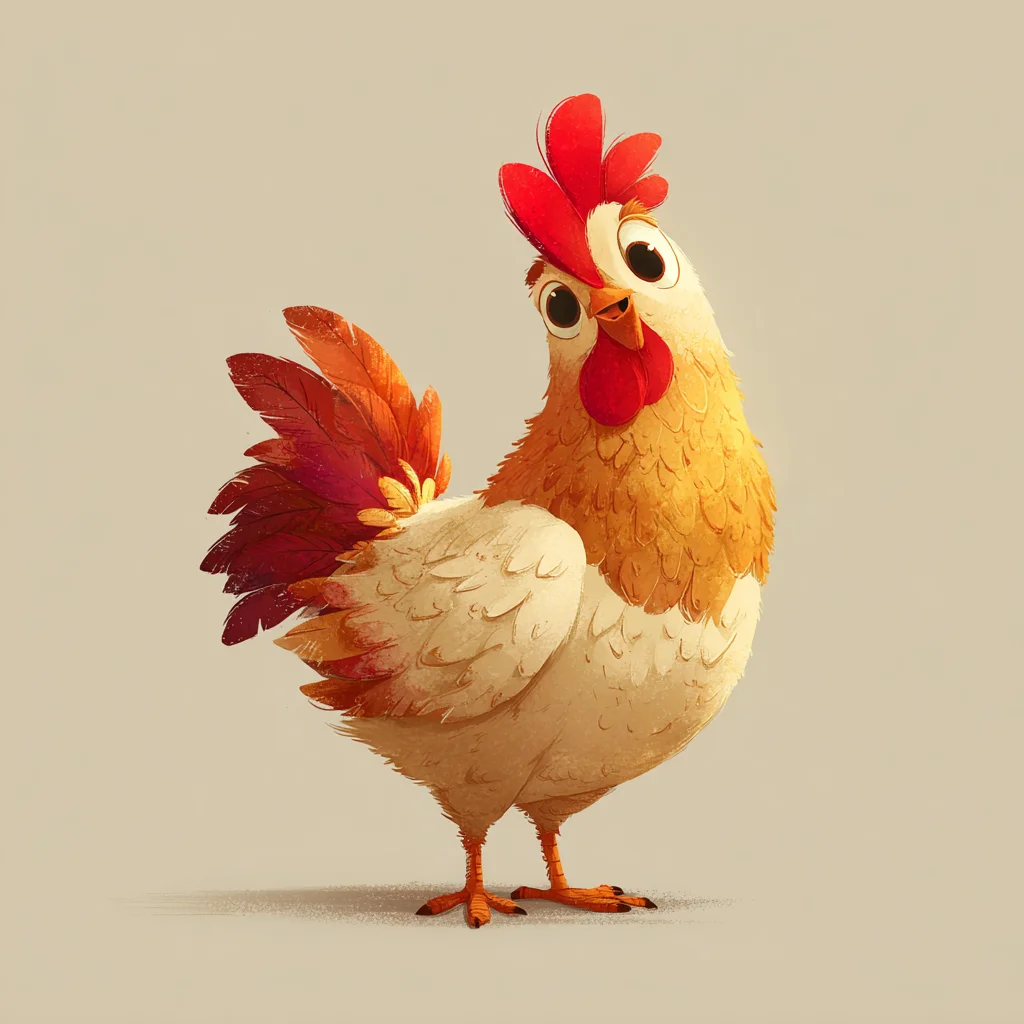
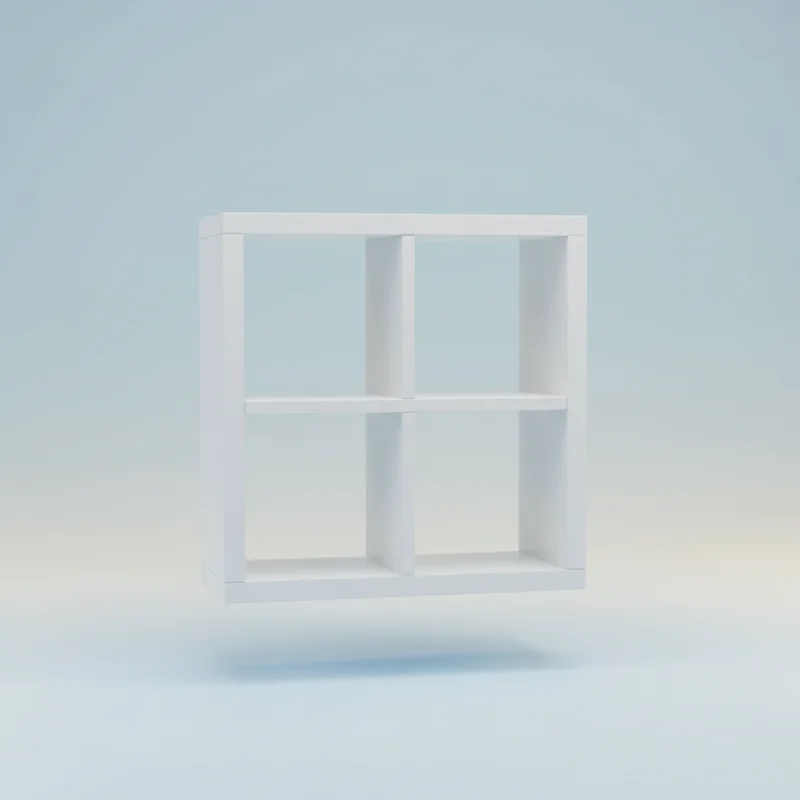
Chicken
The individual chicken demonstrates moderate durability by biological standards, with productive lifespans ranging from 5 to 8 years for laying hens under optimal husbandry conditions. Heritage breeds have been documented surviving beyond 15 years, though such specimens are typically maintained for sentimental rather than productive purposes.
However, durability assessment of Gallus gallus domesticus must extend beyond individual specimens to consider species-level persistence. The domestic chicken has maintained continuous operational status for approximately 8,000 years since initial domestication in the Indus Valley. During this period, the species has demonstrated remarkable resilience against disease outbreaks, predation pressures, and the various indignities of agricultural existence.
Most significantly, the chicken achieves durability through biological self-replication. A damaged or worn chicken can be replaced through processes requiring only feed, shelter, and approximately 21 days of incubation. No external tools, instruction manuals, or customer service interactions are necessary. The chicken essentially manufactures its own replacement parts through egg production, a durability feature that no furniture manufacturer has successfully replicated.
IKEA Furniture
IKEA furniture durability varies substantially across product lines, materials, and the quality of assembly performed by end users. Entry-level particle board constructions, such as the popular LACK series, demonstrate functional lifespans of 2 to 5 years under normal household conditions, after which structural degradation typically renders them unsuitable for continued service.
Premium offerings constructed from solid wood, including the HEMNES and STOCKHOLM collections, achieve considerably longer service lives of 15 to 25 years when properly maintained. However, industry data indicates that approximately 14% of all IKEA furniture experiences structural failure during the first relocation attempt, as cam-lock and dowel joinery systems were not engineered for repeated disassembly cycles.
The critical weakness in IKEA furniture durability lies in its dependency on correct assembly. Studies conducted by consumer research organizations reveal that assembly errors affect one in eight IKEA purchases, ranging from minor misalignments to load-bearing components installed in reverse orientation. The furniture cannot compensate for these errors through any form of self-correction, a limitation that distinguishes it sharply from biological organisms.
VERDICT
The durability comparison reveals the fundamental advantage of biological systems over manufactured goods. While individual IKEA products may achieve impressive service lives, they cannot replicate, self-repair, or adapt to changing conditions. The chicken, by contrast, has been continuously self-replicating for eight millennia.
When a BILLY bookcase reaches the end of its service life, it must be replaced through additional commercial transactions. When a chicken reaches a similar point, it has typically already produced multiple replacement units through standard biological processes. This self-perpetuating durability model proves structurally insurmountable from the furniture perspective.