Coffee
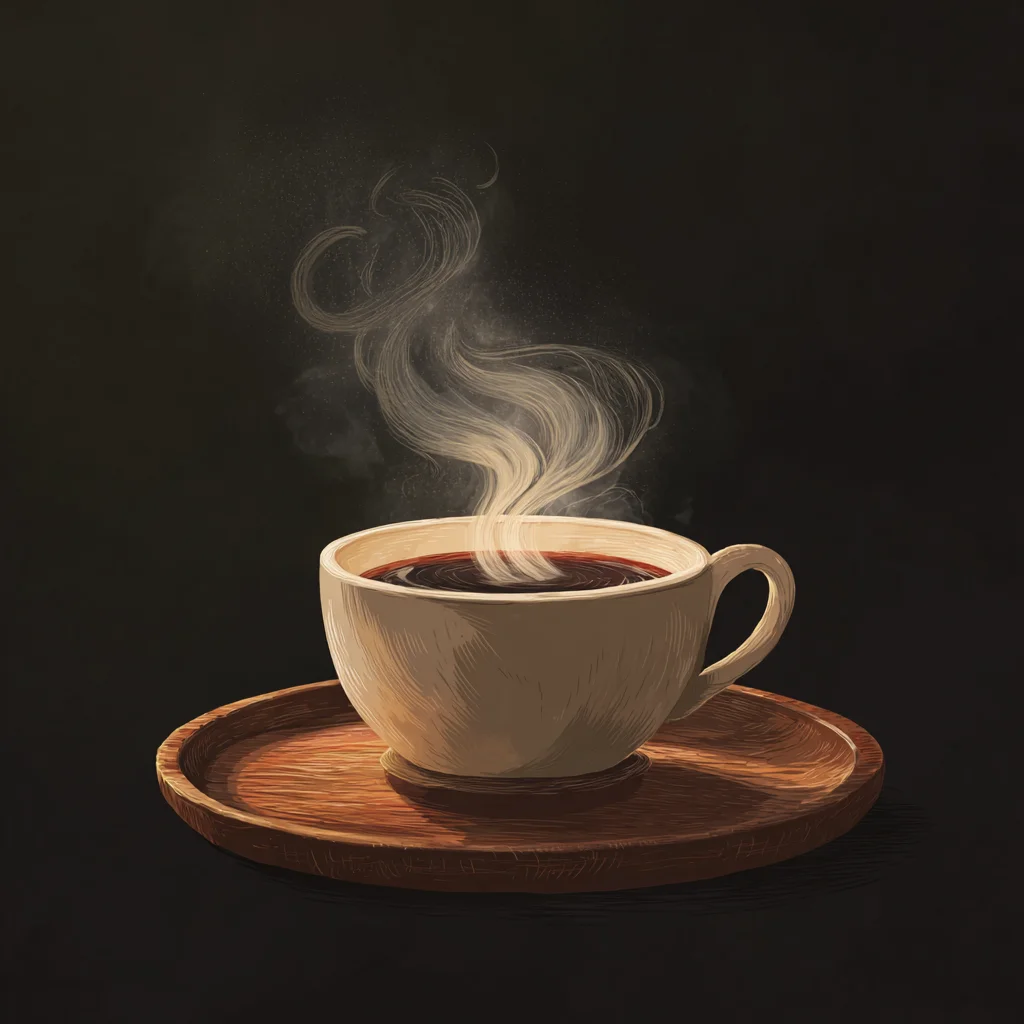
Coffee's historical presence spans approximately 600 years of documented human consumption, beginning with 15th-century Yemen and spreading globally thereafter. The beverage itself, of course, possesses no individual longevity—each cup exists for mere minutes before consumption, and brewed coffee begins oxidative degradation within 30 minutes of preparation. The concept of coffee persists; the substance itself is fundamentally ephemeral. Roasted beans maintain optimal flavour for 2-4 weeks. Green beans may last a year under proper storage. But no individual coffee molecule has survived more than perhaps 18 months in consumable form. The drink is eternal only through constant renewal.
Dracula
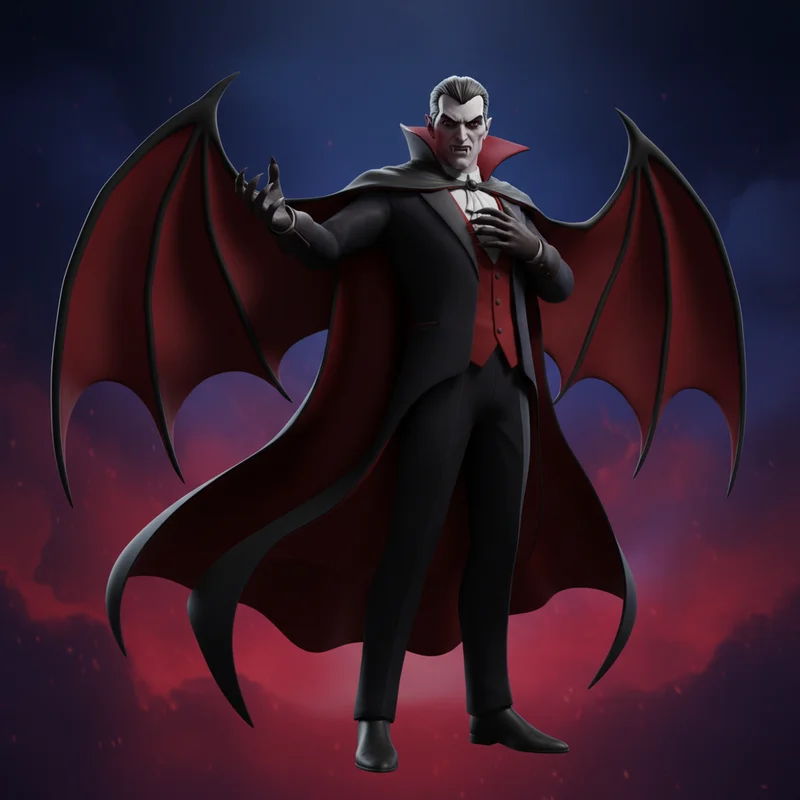
Count Dracula claims an operational history of approximately 500 years, having purportedly been born in 1431 and achieving undead status sometime in the late 15th century. This grants him direct experience of historical events most entities can only read about. He has witnessed the rise and fall of empires, the Industrial Revolution, the invention of the automobile, and presumably the development of modern coffee culture itself. His individual consciousness has persisted through half a millennium—a feat no coffee bean could match. However, this longevity comes at significant cost: isolation, an inability to experience daylight, and the existential burden of watching everyone one knows die repeatedly across centuries.