
Coffee
Coffee operates through a biochemical mechanism requiring 15-45 minutes for caffeine to reach peak plasma concentration following oral consumption. The molecule crosses the blood-brain barrier with reliable efficiency, blocking adenosine receptors and initiating the characteristic state of enhanced alertness.
Once operational, the caffeine effect sustains for 4-6 hours, with a half-life of approximately 5 hours in healthy adults. This extended duration means a single dose continues producing cognitive acceleration long after an electric scooter would have depleted its battery and been abandoned on a street corner.
The subjective perception of speed among coffee consumers often exceeds objective measurements, with many reporting that morning hours pass significantly faster following adequate caffeine intake.
Electric Scooter
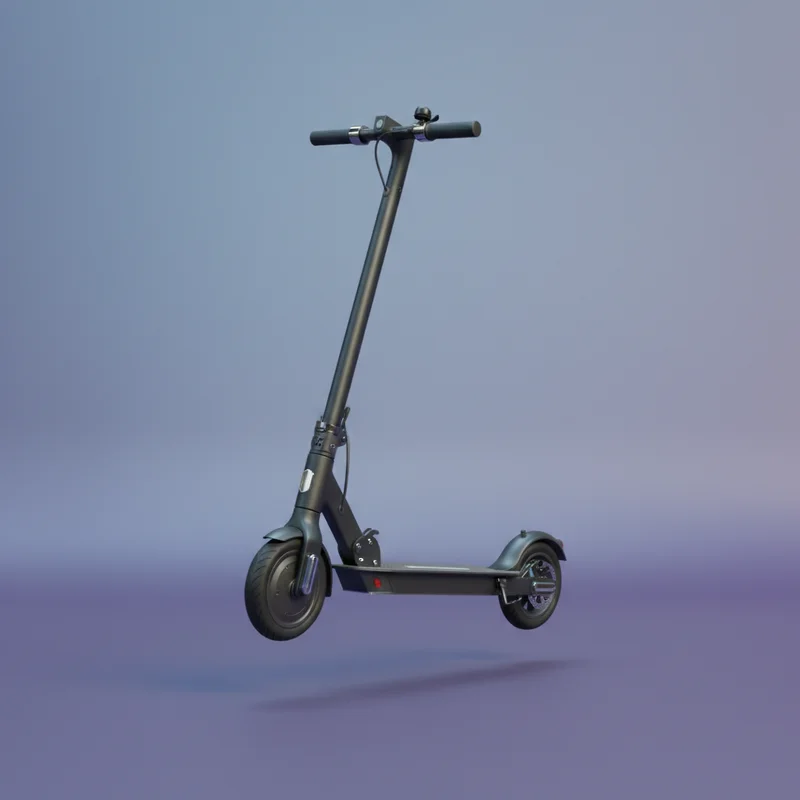
The electric scooter achieves a maximum velocity of 15-20 mph under optimal conditions, though municipal regulations in most jurisdictions impose speed limits of 15 mph for public safety considerations.
Acceleration from standstill to top speed occurs within 4-6 seconds on flat terrain, a specification that matters primarily during the first moments of rental before the rider encounters their first pedestrian obstacle. Real-world urban speeds average considerably lower due to traffic signals, sidewalk congestion, and the instinct for self-preservation.
The scooter provides immediate, tangible velocity that is easily measured in miles per hour. This concrete metric stands in contrast to coffee's more abstract acceleration of neural processing speed, though the latter cannot be recorded on traffic enforcement cameras.
VERDICT
When evaluating speed through conventional measurement frameworks, the electric scooter demonstrates superior physical velocity. It produces measurable geographic displacement that can be tracked via GPS and documented for insurance purposes.
Coffee's speed operates in an entirely different domain, one of cognitive throughput rather than spatial translation. The caffeine molecule does not move the body but rather accelerates the mind processing information about the body's stationary position.
By the narrow definition of speed as distance over time, the electric scooter claims this category. However, the philosophical question of whether faster thinking constitutes a form of velocity remains unresolved by this analysis.