Topic Battle

Where Everything Fights Everything

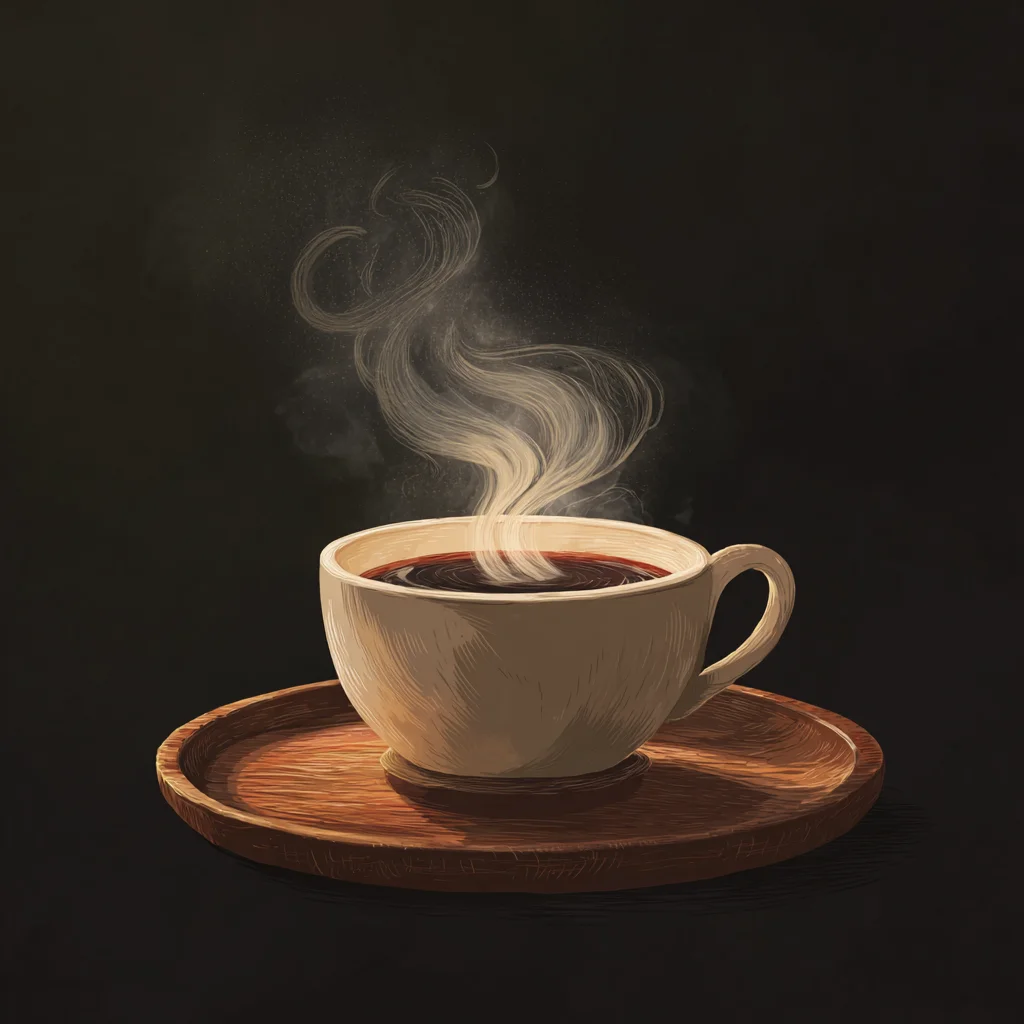
Coffee

Coffee

A brewed drink prepared from roasted coffee beans, the seeds of berries from certain Coffea species. The world's second-most traded commodity.

VS
Lion

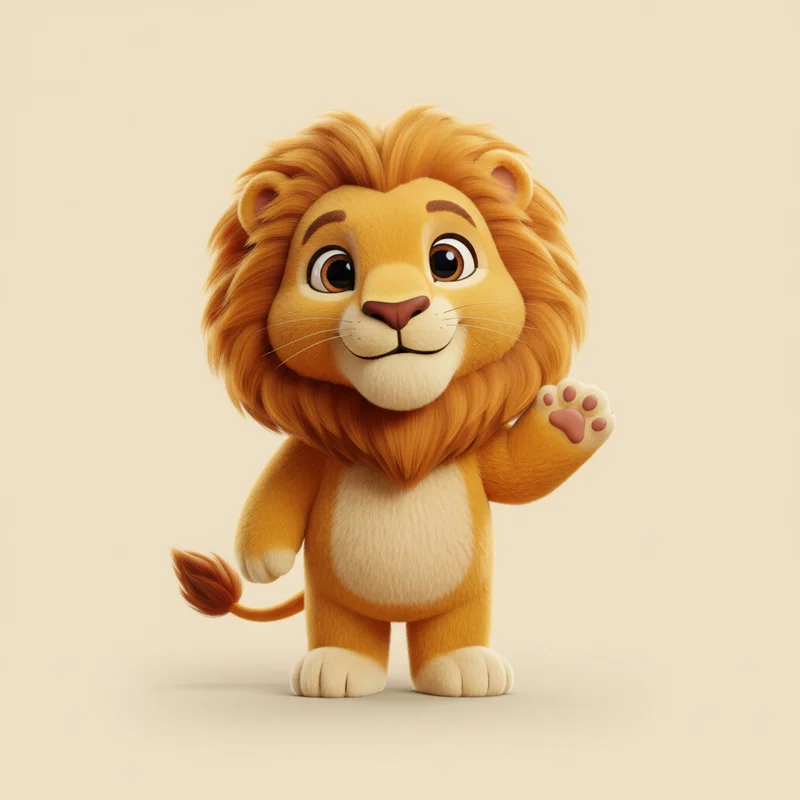
Lion

Apex predator and king of the savanna, known for majestic manes and surprisingly lazy daytime habits.

The Matchup

The coffee bean and the lion occupy remarkably similar positions in their respective domains. Both inspire reverence, both are associated with morning hours, and both have been responsible for fundamentally altering human behavior patterns across millennia.

Coffee, derived from the roasted seeds of the Coffea plant, represents the world's second-most traded commodity, with over 2.25 billion cups consumed daily across every inhabited continent. Its influence on human productivity, social rituals, and economic systems cannot be overstated.

The lion, Panthera leo, has served as humanity's primary symbol of courage and royalty for over 30,000 years, as evidenced by cave paintings in Chauvet. With approximately 20,000 individuals remaining in the wild, the species maintains its position as Africa's dominant terrestrial predator. Both contenders now face evaluation across standardized metrics to determine which truly deserves morning supremacy.

Battle Analysis

Speed Coffee Wins
70%
30%
Coffee Lion

Coffee

Coffee delivers its primary effects with remarkable efficiency. Caffeine reaches peak plasma concentration within 30-60 minutes of consumption, crossing the blood-brain barrier to begin adenosine receptor antagonism almost immediately upon absorption.

The compound's half-life of 5-6 hours ensures sustained performance enhancement, with measurable improvements in reaction time, cognitive processing speed, and motor function. Studies indicate a 12% improvement in physical performance metrics following caffeine consumption. The speed of preparation varies from 2 minutes for instant varieties to 4 minutes for espresso-based beverages.

Lion

The lion achieves a maximum velocity of 50 mph in short bursts, ranking among the fastest large cats. However, this speed can only be maintained for approximately 300 feet before exhaustion sets in, a significant limitation for sustained pursuit.

Acceleration from rest to top speed occurs within 3-4 seconds, enabling effective ambush predation. The species compensates for limited endurance through cooperative hunting strategies, with lionesses achieving 30% higher success rates when hunting in coordinated groups. Despite impressive raw velocity, the lion spends 20 hours daily at rest, significantly limiting practical speed applications.

VERDICT

While the lion's raw velocity exceeds any reasonable expectation for a caffeinated beverage, coffee's speed of effect delivery and duration of enhancement provide superior practical value. The lion can sprint at 50 mph but only for seconds; coffee delivers enhanced performance for hours.

Furthermore, coffee's ability to improve human speed metrics effectively transfers its velocity benefits to its consumers. Through this mechanism, coffee has indirectly contributed to countless athletic records and emergency responses. The lion's speed, while impressive, remains non-transferable to human users.

Durability Lion Wins
30%
70%
Coffee Lion

Coffee

Green coffee beans maintain viability for 12-18 months under proper storage conditions, while roasted beans retain optimal flavor for 2-4 weeks. Instant coffee demonstrates remarkable longevity, with sealed containers remaining consumable for 20+ years.

The coffee plant itself, Coffea arabica, produces harvestable fruit for 25-30 years under optimal conditions, with some specimens documented at over 100 years of productive life. The cultural institution of coffee consumption has persisted for over 500 years since its spread from Ethiopia, demonstrating institutional durability that few consumer products can match.

Lion

Individual lions achieve lifespans of 10-14 years in the wild, extending to 20+ years in captivity with veterinary care. Physical durability includes a bite force of 650 PSI and musculature capable of bringing down prey exceeding 1,000 pounds.

However, lions face significant mortality factors including territorial conflicts, hunting injuries, and infanticide during pride takeovers. An estimated 80% of male lions do not survive to adulthood. The species has demonstrated durability across 2 million years of evolution, though current population trends suggest concerning vulnerabilities to human encroachment.

VERDICT

The lion's individual durability, measured in years of functional operation and resistance to physical damage, exceeds that of prepared coffee by orders of magnitude. A brewed coffee exists for mere hours before consumption; a lion persists for decades.

While coffee's cultural durability is impressive, the lion's evolutionary persistence across two million years represents biological continuity that no beverage can claim. The lion's physical resilience and generational durability secure this category decisively.

Global reach Coffee Wins
70%
30%
Coffee Lion

Coffee

Coffee cultivation spans 70 countries across the tropical belt, with consumption occurring in virtually every nation on Earth. The commodity generates $200+ billion in annual global trade, employing an estimated 125 million people in production alone.

Daily consumption reaches 2.25 billion cups worldwide, with Finland leading per-capita consumption at 12 kg annually. Coffee shops number over 35,000 in the United States alone, with Starbucks operating 35,000+ locations across 80 countries. The beverage has achieved complete global market saturation across all demographic and economic segments.

Lion

Wild lion populations are restricted to sub-Saharan Africa and a single isolated population of 600 individuals in India's Gir Forest. This represents a 94% reduction in historical range, which once extended across Europe, the Middle East, and South Asia.

Cultural presence remains global through heraldry, with lions appearing on national symbols of 15+ countries and featuring in major brand identities including MGM, ING, and Premier League football. Zoo populations total approximately 1,000 individuals globally, extending physical presence to every continent except Antarctica.

VERDICT

Coffee's global reach demonstrates complete market dominance across every metric. While lions maintain powerful symbolic presence, their physical range has contracted to a fraction of historical territory. Coffee operates in every nation on Earth; lions occupy less than 6% of their former range.

The economic footprint alone establishes coffee's superiority: $200 billion annually versus the lion's negligible direct economic contribution. In terms of daily human interaction, coffee exceeds lions by a factor of several billion to one.

Sustainability Coffee Wins
70%
30%
Coffee Lion

Coffee

Coffee production presents complex sustainability challenges. Cultivation requires 140 liters of water per cup when accounting for agricultural inputs. Deforestation for coffee farming has impacted critical habitats across tropical regions, while climate change threatens to reduce suitable growing area by 50% by 2050.

However, the industry has responded with certifications including Rainforest Alliance, Fair Trade, and organic designations covering 25%+ of global production. Shade-grown coffee supports biodiversity, and the plant itself functions as a carbon sink during growth phases. The commodity's economic importance drives active sustainability investment.

Lion

Lion conservation represents an ongoing crisis, with populations declining 43% over the past two decades. Habitat loss, human-wildlife conflict, and trophy hunting continue to exert pressure on remaining populations.

Conservation efforts including protected areas and community-based programs have stabilized certain populations, but the species' requirement for large territorial ranges conflicts with human development patterns. Each lion requires approximately 100 square kilometers of habitat, making urban coexistence impossible. The sustainability outlook remains concerning without substantial intervention.

VERDICT

Coffee's sustainability challenges, while significant, are being actively addressed through industry initiatives and consumer demand. The commodity's economic value ensures continued investment in sustainable practices. Lions, conversely, represent an economic liability in many regions, creating perverse incentives for elimination.

Coffee production can theoretically continue indefinitely with proper management; lion populations face potential functional extinction within decades without intervention. From a pure sustainability standpoint, coffee's renewable agricultural model demonstrates superior long-term viability.

Entertainment value Lion Wins
30%
70%
Coffee Lion

Coffee

Coffee has inspired extensive cultural production including over 5,000 songs referencing the beverage, countless films set in coffee shops, and a dedicated subculture of artisanal appreciation. The specialty coffee movement has transformed consumption into a multisensory experience with competitions, certifications, and connoisseurship rituals.

Social entertainment value centers on the coffee shop as third place gathering space, facilitating conversation, work, and romantic connection. The beverage serves as universal social lubricant, enabling human interaction across cultural and linguistic boundaries with minimal friction.

Lion

The lion's entertainment value spans millennia of human civilization. Roman spectacles featured lions consuming thousands of individuals for public amusement. Modern entertainment includes Disney's The Lion King, generating over $9.8 billion in lifetime revenue across all media formats.

Wildlife documentaries featuring lions consistently rank among the most-watched programs globally, with Sir David Attenborough's lion segments achieving particular acclaim. Safari tourism generates $12 billion annually in Africa, with lion sightings representing the premier attraction. The species' dramatic hunting behaviors and social dynamics provide unparalleled documentary content.

VERDICT

While coffee provides daily entertainment through social facilitation, the lion delivers spectacular dramatic content that commands global attention. The Lion King's $9.8 billion entertainment revenue exceeds the lifetime cultural output of coffee-focused media by substantial margins.

Lions inspire awe, fear, and fascination in ways that caffeinated beverages cannot replicate. The visceral entertainment of watching apex predation exceeds the subtle pleasures of latte art. In raw entertainment power, the lion demonstrates categorical superiority.

👑

The Winner Is

Coffee

55 - 45

This analysis concludes with a 55-45 victory for coffee in the contest for morning supremacy. Coffee secures decisive wins in Speed, Global Reach, and Sustainability, while the lion claims Durability and Entertainment Value.

The lion's symbolic power and raw physical capabilities inspire genuine reverence, yet coffee's practical dominance of daily human existence proves decisive. Billions awaken to coffee each morning; vanishingly few encounter lions outside of documentaries and zoo visits.

Coffee has achieved what the lion could not: complete integration into human civilization as an indispensable daily companion. The king of beasts must yield to the king of beverages in this evaluation of morning authority.

Coffee
55%
Lion
45%

Share this battle

More Comparisons