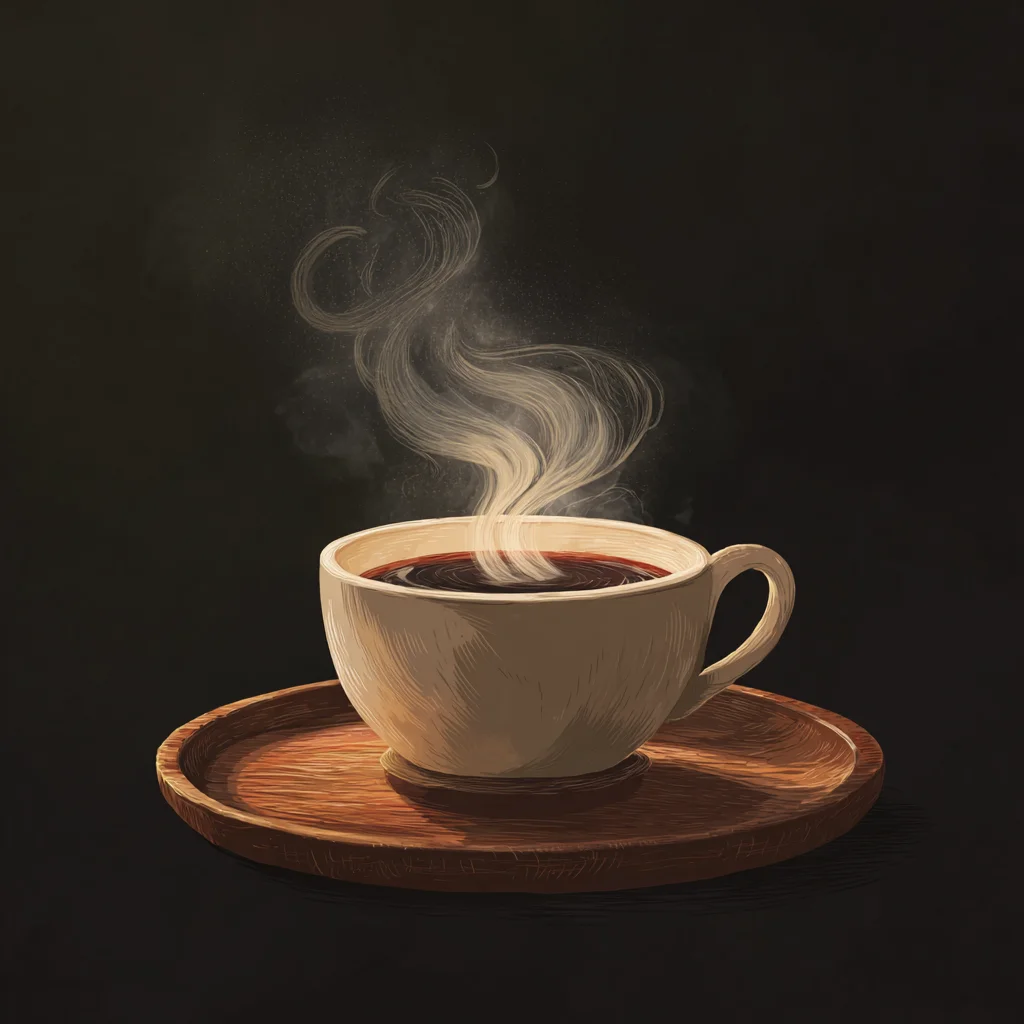

Coffee
The durability profile of coffee presents considerable complexity depending on which stage of the product lifecycle one examines. Unroasted green coffee beans, when stored under appropriate conditions of controlled humidity and temperature, maintain viability for one to two years. Roasted beans begin oxidative degradation immediately upon roasting, with optimal flavour preservation lasting approximately two to four weeks when stored in airtight containers.
Ground coffee deteriorates with alarming rapidity. Exposure to oxygen accelerates staling processes such that within 15 to 20 minutes of grinding, measurable flavour degradation commences. Prepared liquid coffee enters terminal decline almost immediately after brewing, with thermal degradation and oxidation rendering the beverage progressively less palatable. A cup of coffee brewed at 9:00 AM achieves functional obsolescence by approximately 9:45 AM under typical ambient conditions.
The coffee industry has developed elaborate countermeasures to address these durability limitations, including nitrogen flushing, vacuum packaging, and single-serve capsule technology. These interventions extend shelf life but cannot fundamentally alter the ephemeral nature of the product. Coffee exists, by its essential character, as a substance in continuous decline from the moment of roasting.
Rubber Duck
The rubber duck demonstrates remarkable material persistence across extended timeframes. Modern specimens, manufactured from polyvinyl chloride or comparable polymer compounds, maintain structural integrity for 15 to 30 years under standard domestic use conditions. The material resists water damage, UV degradation within typical indoor environments, and mechanical stress from repeated compression.
Environmental evidence supports even greater longevity claims. The aforementioned Friendly Floatees, despite decades of exposure to saltwater, sunlight, thermal cycling, and mechanical abrasion from wave action, remained identifiable and largely intact upon recovery. This suggests that rubber ducks may persist in recognisable form for periods approaching geological timescales, at least relative to human perception.
From a functional durability standpoint, the rubber duck faces zero degradation pathways. A rubber duck's capacity to float does not diminish with age. Its effectiveness as a debugging companion remains constant across its entire service life. Unlike coffee, which requires immediate consumption before quality deteriorates, the rubber duck offers identical utility on day one and day ten thousand of ownership.
VERDICT
Durability assessment reveals a categorical advantage for the polymer waterfowl. The temporal disparity between these contenders spans multiple orders of magnitude: minutes for prepared coffee versus decades for rubber ducks.
While coffee's ephemerality carries certain romantic connotations, the ritual of the fresh-brewed cup and whatnot, from a strictly materialist evaluation standpoint, transience constitutes a fundamental limitation. The rubber duck achieves victory in this category through the simple virtue of continued existence across timeframes that coffee cannot approach.