
Coffee
Coffee demonstrates remarkable accessibility across socioeconomic strata. A cup can be obtained for under one pound at countless establishments, or prepared at home for mere pence. The infrastructure supporting coffee delivery is extraordinary—farms across 70 countries, shipping networks, roasteries, cafes on virtually every urban corner, and instant varieties for those with reduced standards.
Coffee adapts to consumer preferences with admirable flexibility: espresso, Americano, latte, cold brew, Turkish, Vietnamese iced, or instant crystals dissolved in lukewarm desperation. It can be consumed whilst walking, driving, working, or pretending to work. The barriers to coffee acquisition are, in most developed nations, approximately zero.
The Moon
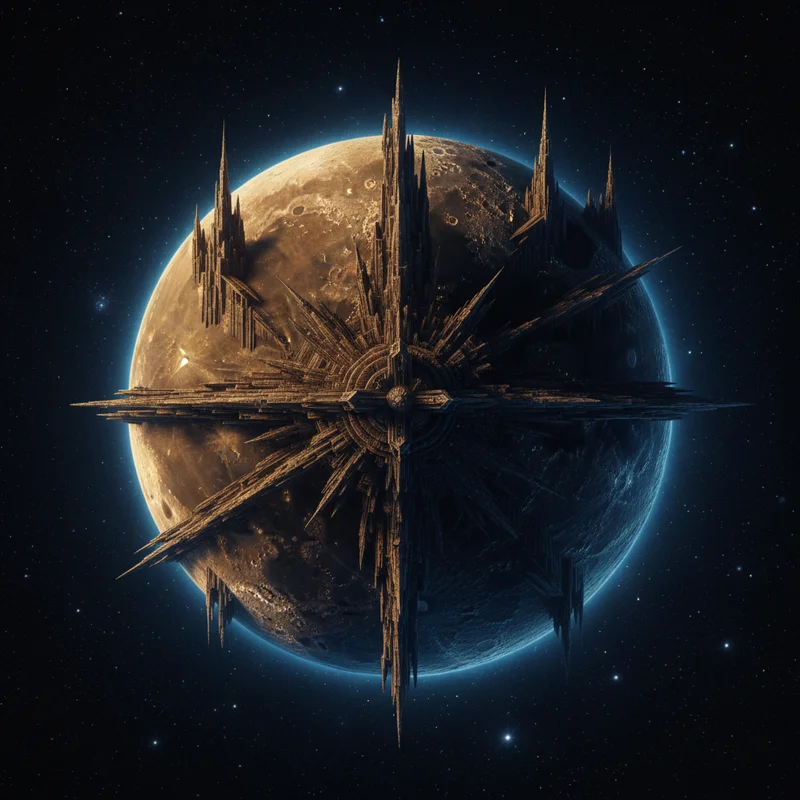
The Moon presents certain accessibility challenges. It is located 384,400 kilometres away, a distance that has been traversed by precisely 12 humans in all of history, each requiring billions of dollars in supporting infrastructure. For the remaining 8 billion people, the Moon is accessible only visually, and then only when clouds permit and light pollution does not overwhelm.
One cannot purchase the Moon at a drive-through window. There is no Moonbucks franchise. The closest most humans will come to lunar proximity is viewing it through a telescope or watching Apollo 13 on streaming services. Even werewolves, the Moon's most dedicated enthusiasts, cannot actually visit their object of devotion.