Darth Vader
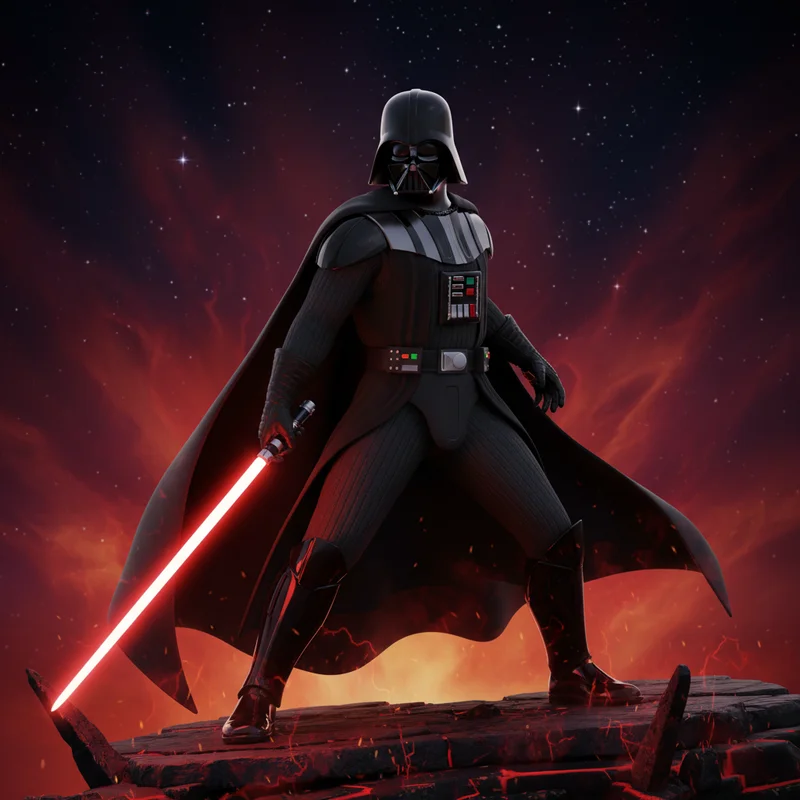
In terms of pure archetypal power, Darth Vader achieves something approaching mythological status. The character embodies what Joseph Campbell identified as the Shadow archetype: the dark mirror that heroes must confront and, ultimately, integrate. Vader's design drew consciously from samurai armour, Nazi helmets, and death imagery, creating a visual vocabulary of menace that speaks to primal human fears.
The father-son dynamic adds another archetypal layer. Vader represents the Terrible Father, the authority figure who has become corrupted and must be either defeated or redeemed. His ultimate sacrifice to save Luke transforms him into the Redeemed King, completing a mythological cycle that resonates across cultures. This archetypal density explains why Vader maintains cultural relevance decades after his creation, speaking to psychological patterns embedded in human consciousness.
Mario
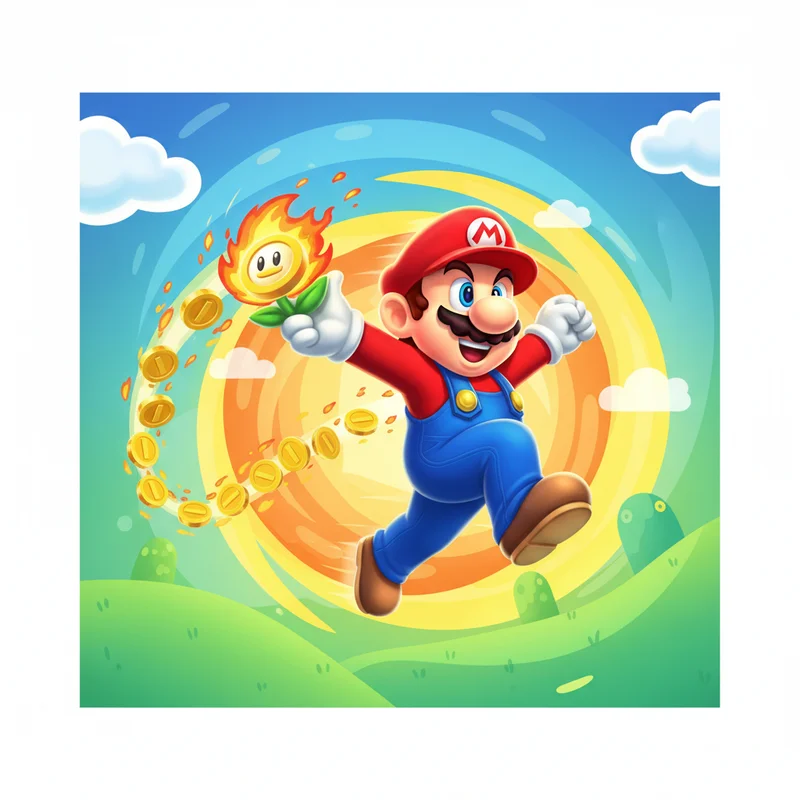
Mario embodies a rather different but equally powerful archetype: the Eternal Youth or Puer Aeternus. He represents perpetual optimism, boundless energy, and the belief that obstacles exist merely to be overcome. Unlike tragic heroes, Mario never ages, never despairs, and never questions his mission. This places him in the tradition of folk heroes and trickster figures who persist through cheerful determination.
The rescue narrative Mario perpetually enacts connects to ancient knight-errant mythology, stripped of medieval grimness and rendered in primary colours. The princess, the castle, the dragon-analogue: these elements recur because they speak to fundamental narrative patterns. Mario's archetypal simplicity grants him universal accessibility, understood intuitively by children across all cultures without need for explanation or translation.
VERDICT
Vader's multi-layered archetypal construction, encompassing shadow, father, and redeemer patterns, achieves greater mythological depth than Mario's simpler eternal youth archetype.