Dog
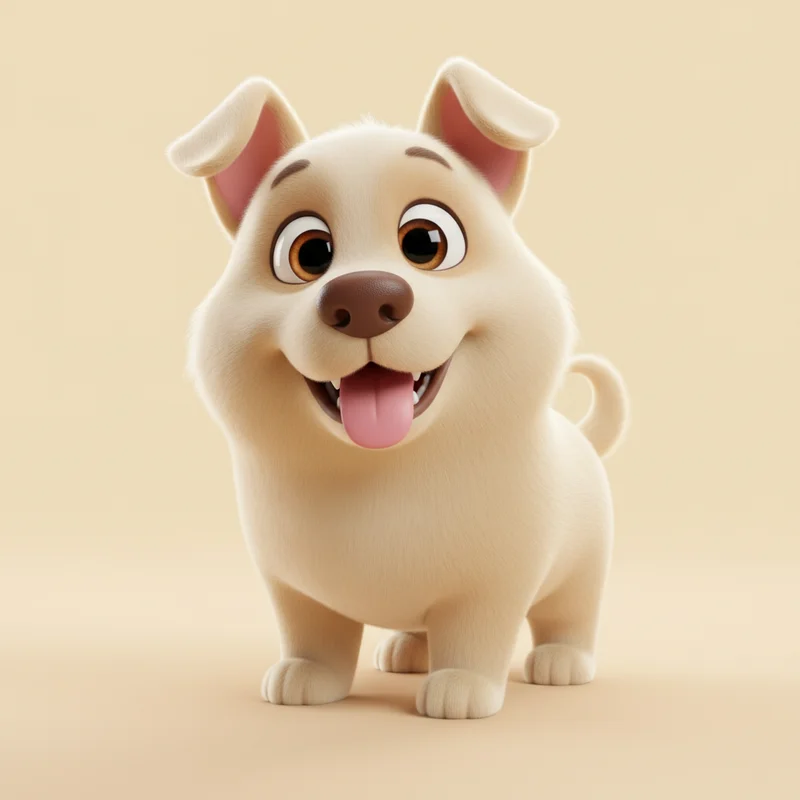
The domestic dog has refined loyalty generation into a neurobiological art form. Upon making eye contact with their human companions, dogs trigger mutual oxytocin release, the same hormone responsible for maternal bonding. This chemical mechanism operates involuntarily, bypassing rational assessment entirely. Studies indicate the average dog owner rates their canine companion as more trustworthy than 74% of their human acquaintances. The dog achieves this through consistent behavioural patterns: enthusiastic greetings regardless of absence duration, physical proximity during emotional distress, and the complete absence of judgemental assessment.
The mechanisms prove so effective that dog owners frequently describe their companions in familial terms. The phrase "fur baby" now appears in mainstream discourse without irony. Dogs have successfully positioned themselves as family members in approximately 63% of owning households, a remarkable achievement for a species incapable of contributing to mortgage payments.
Darth Vader
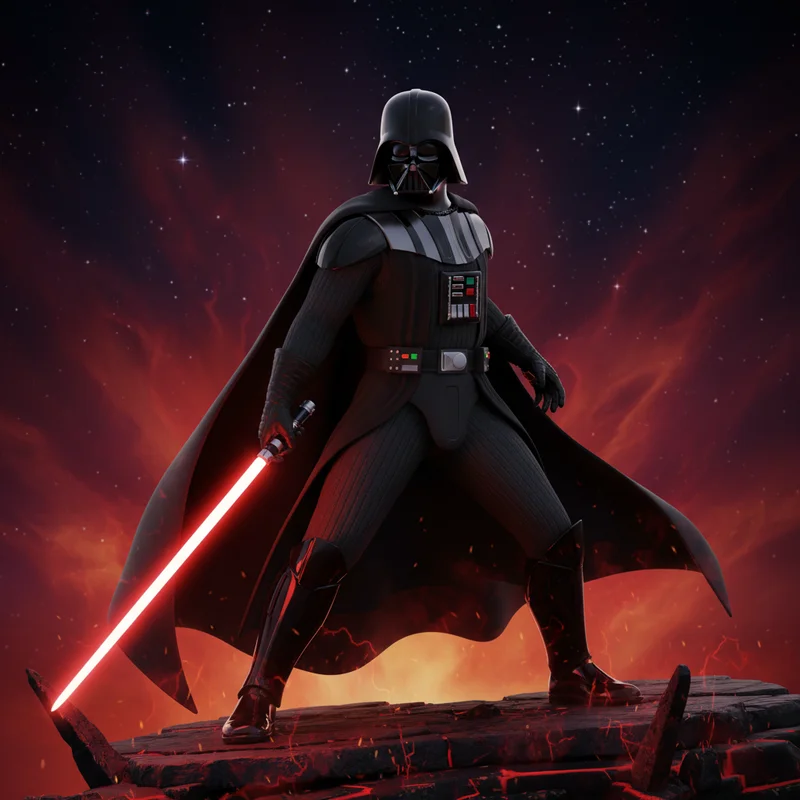
Vader's approach to loyalty generation operates through distinctly different psychological pathways. His subordinates demonstrate unwavering obedience, though analysis suggests this stems primarily from survival instinct rather than genuine affection. The Dark Lord's management style, characterised by summary execution for performance failures, creates compliance through terror rather than attachment. Imperial officers follow orders with precision, but personnel retention statistics suggest morale challenges.
Fan loyalty, however, presents a more compelling case. Vader commands devotion from millions who have never experienced his Force-enhanced performance reviews. Collectors spend thousands of pounds on Vader memorabilia. Cosplayers dedicate hundreds of hours to accurate costume reproduction. This voluntary devotion, requiring neither oxytocin nor fear of asphyxiation, represents genuine emotional investment in a fictional construct.