
Topic Battle

Where Everything Fights Everything

Dog

Dog

Loyal canine companion celebrated for unconditional love, tail wagging, and being humanity's best friend for millennia.

VS
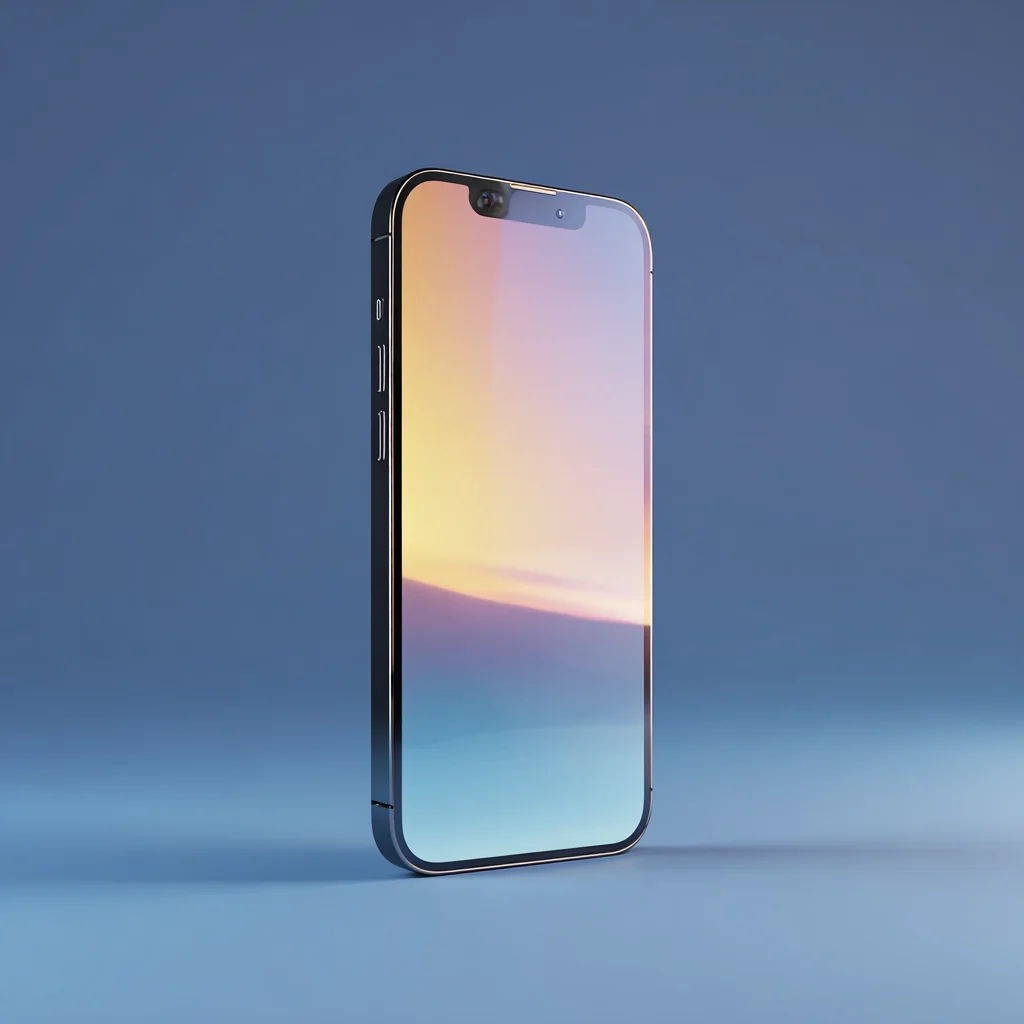
iPhone

iPhone

Apple's flagship smartphone line, known for its iOS operating system, premium build quality, and ecosystem integration.

The Matchup

The comparison between the Dog and the iPhone addresses a fundamental question of modern existence: which entity deserves the designation of humanity's best friend. One contender has earned this title through 15,000 years of documented loyalty, service, and companionship. The other has achieved remarkable market penetration since 2007 through innovative design and aggressive ecosystem development.

The Dog, Canis lupus familiaris, represents the first domesticated species, with a global population exceeding 900 million individuals. This species has co-evolved with humans across hunting, herding, guarding, and companionship roles, demonstrating adaptive versatility unmatched by any manufactured device.

The iPhone maintains approximately 1.5 billion active users, having transformed communication, entertainment, and daily life organization. Both entities now compete for the same fundamental resource: human attention, affection, and the designation of indispensable companion.

Battle Analysis

Speed Dog Wins
70%
30%
Dog iPhone

Dog

Canine speed capabilities vary dramatically by breed, with the Greyhound achieving maximum velocities of 45 mph, making it the fastest accelerating land animal on Earth. Average breeds maintain running speeds of 15-20 mph, with sustained pursuit capability exceeding most prey species.

Response times to human commands average under 500 milliseconds for trained individuals, with threat detection and alert behaviors occurring nearly instantaneously. The dog can relocate itself to any accessible location without external power sources, transportation infrastructure, or network connectivity.

iPhone

The iPhone achieves computational speeds measured in trillions of operations per second, with the A17 Pro neural engine processing 17 trillion operations across machine learning tasks. Data transmission via 5G reaches theoretical speeds of 4.5 Gbps.

Application launch times average under 800 milliseconds, while complex calculations complete in nanoseconds. However, the device achieves precisely zero physical velocity through self-propulsion. Relocation requires human intervention, vehicular transport, or projectile motion, the latter typically resulting in device failure.

VERDICT

Speed assessment reveals the dog's comprehensive superiority in physical capability while acknowledging the iPhone's dominance in computational velocity. The iPhone processes information at speeds no biological system can approach.

However, for a companion entity, physical responsiveness and autonomous mobility represent essential capabilities. The dog can arrive when called, pursue threats, and relocate independently. The iPhone can calculate the optimal route but cannot traverse it. The dog's integrated speed capability provides superior practical value.

Durability Dog Wins
70%
30%
Dog iPhone

Dog

Dogs demonstrate average lifespans of 10-13 years for medium breeds, with smaller breeds frequently exceeding 15 years and documented cases surpassing 20 years. The species possesses remarkable recuperative abilities, recovering from injuries that would permanently disable manufactured devices.

Self-repair mechanisms address wounds through biological healing processes requiring no replacement parts or authorized technicians. The immune system actively combats pathogens while the musculoskeletal system regenerates from damage. End-of-life processing occurs through complete biodegradation, leaving no persistent environmental residue.

iPhone

The iPhone demonstrates functional lifespan of 4-6 years under careful maintenance, though software obsolescence often shortens practical utility. Physical durability has improved with Ceramic Shield glass, yet drop damage, water intrusion, and battery degradation remain common failure modes.

Battery capacity degrades to 80% after 500 charge cycles, approximately 18-24 months of typical use. Repair costs for major components frequently approach replacement value, creating economic pressure toward disposal rather than restoration. Electronic waste persistence extends centuries beyond device utility.

VERDICT

Durability comparison yields decisive advantage to the dog despite its shorter maximum lifespan in some configurations. The dog repairs itself continuously throughout its operational period, requiring no insurance plans, extended warranties, or AppleCare subscriptions.

The dog has survived as a species through evolutionary stress testing spanning millions of years. The iPhone, despite substantial engineering investment, cannot match durability specifications achieved through natural selection. The dog demonstrates superior self-maintenance capability that no consumer product can replicate.

Reliability Dog Wins
70%
30%
Dog iPhone

Dog

The dog demonstrates 100% uptime throughout its operational lifespan, requiring no charging cables, software updates, or network connectivity. Functional capability persists across all environmental conditions survivable by humans, with many breeds exceeding human tolerance for temperature extremes.

Service reliability has been documented across 15,000 years of continuous deployment in roles including hunting, herding, guarding, search and rescue, therapy, and companionship. No recalls, security patches, or forced obsolescence events have been recorded throughout this deployment history.

iPhone

The iPhone requires daily charging to maintain operation, with battery life averaging 10-17 hours depending on usage patterns. Software updates occur monthly, occasionally introducing new bugs while patching existing vulnerabilities. Network dependency creates additional failure points beyond device control.

Operating system updates sometimes degrade performance on older hardware, a phenomenon some observers characterize as planned obsolescence. Security vulnerabilities require ongoing patches, while cloud service outages can disable key functionality regardless of local device status.

VERDICT

Reliability assessment demonstrates overwhelming canine superiority. The dog operates continuously without charging infrastructure, update schedules, or network dependency. It functions identically in wilderness and urban environments, during power outages, and through natural disasters.

The iPhone's reliability depends on multiple external factors: electrical grid, cellular networks, cloud services, and ongoing manufacturer support. The dog's reliability depends solely on food and water, resources humans have provided reliably for 15 millennia. This represents fundamentally superior reliability architecture.

Versatility Dog Wins
70%
30%
Dog iPhone

Dog

Dogs serve across hundreds of specialized roles: hunting, herding, guarding, detection, search and rescue, therapy, assistance for disabilities, law enforcement, military operations, and companionship. No other species demonstrates comparable role versatility in human service.

Individual dogs can be trained for multiple simultaneous functions, providing security, pest detection, emotional support, and exercise motivation within a single household. The species adapts to environments from Arctic tundra to tropical forests, demonstrating deployment flexibility no manufactured device can match.

iPhone

The iPhone consolidates telephone, camera, computer, GPS, and entertainment system into a single 206-gram package. Access to 1.8 million applications extends functionality across virtually every domain of human activity, from financial management to creative production.

However, all iPhone functions require the device to be held, operated, and maintained by humans. The device provides tools for human action but cannot take action independently. It can locate a lost person on a map but cannot physically search for them.

VERDICT

Versatility comparison reveals qualitatively different capability profiles. The iPhone provides more discrete functions than the dog can perform. However, the dog provides functions the iPhone cannot replicate regardless of application availability.

The dog can independently guard property, detect intruders, locate lost individuals, provide physical warmth, and deliver genuine emotional support. These capabilities require autonomous agency that no smartphone possesses. The dog's versatility extends to domains beyond technological capability, securing victory through irreplaceable function delivery.

Social impact Dog Wins
70%
30%
Dog iPhone

Dog

Dog ownership correlates with measurable health benefits: reduced cardiovascular disease risk, lower blood pressure, decreased depression and anxiety, and increased physical activity. Children raised with dogs demonstrate stronger immune systems and improved social development.

Dogs facilitate human social connection, with dog owners reporting 300% more casual social interactions than non-owners. The species has shaped human evolution, culture, and settlement patterns across 15,000 years, representing the most successful interspecies partnership in biological history.

iPhone

The iPhone has transformed human communication, enabling instant global connectivity unprecedented in history. Information access, creative expression, and social coordination have reached levels impossible before smartphone adoption.

However, smartphone usage correlates with documented concerns: increased anxiety and depression in adolescents, reduced attention spans, degraded face-to-face social skills, and 'phubbing' behaviors damaging personal relationships. Screen time data indicates average usage of 4-5 hours daily, time previously allocated to direct human and animal interaction.

VERDICT

Social impact assessment reveals starkly divergent outcomes. The dog provides documented positive effects across physical health, mental health, and social connection metrics. Research consistently demonstrates that dog ownership improves human wellbeing.

The iPhone provides connectivity and capability but correlates with negative social and psychological outcomes, particularly in younger demographics. The dog facilitates genuine social connection while the iPhone often substitutes for it. This represents fundamentally opposite social impact vectors, with the dog providing net positive and the iPhone generating mixed or negative outcomes.

👑

The Winner Is

Dog

70 - 30

This analysis concludes with a 70-30 victory for the Dog across evaluated metrics. The iPhone fails to secure any category against an entity refined through 15,000 years of co-evolution with the human species.

The designation of 'humanity's best friend' requires more than functional capability or market penetration. It requires genuine loyalty, autonomous devotion, and unconditional positive regard. These qualities emerged through millennia of mutual selection pressure between humans and dogs, creating a partnership that cannot be replicated through product development cycles.

The iPhone provides tools. The dog provides partnership. This distinction proves decisive. While the iPhone has transformed modern life, it cannot match the deep biological and emotional integration the dog has achieved with human existence. The dog prevails through the accumulated wisdom of evolutionary partnership.

Dog
70%
iPhone
30%

Share this battle

More Comparisons