Dog
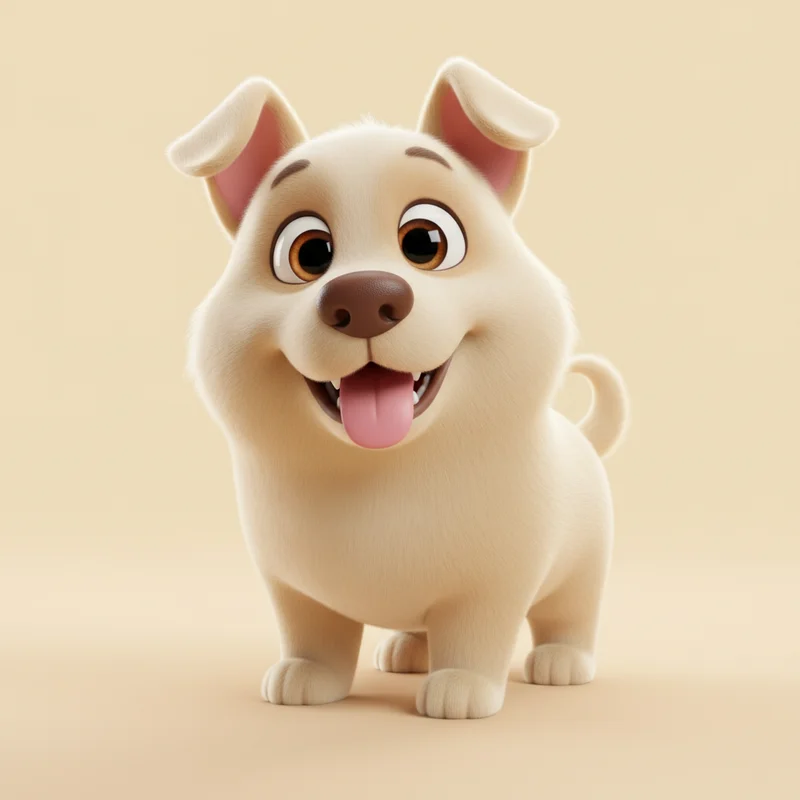
Dogs exhibit remarkable social plasticity, having evolved to integrate seamlessly into human family structures. They recognise approximately 165 human words on average, with exceptional individuals comprehending over 1,000. Dogs read human facial expressions, follow pointing gestures, and demonstrate theory of mind capabilities that enable them to anticipate human intentions and manipulate them accordingly.
This social intelligence extends to interspecies relationships. Dogs form bonds with cats, horses, and in documented cases, tortoises. They have mastered what evolutionary biologists term hypersociability, a genetic modification that makes them pathologically friendly to virtually any creature that does not actively threaten them.
Lion
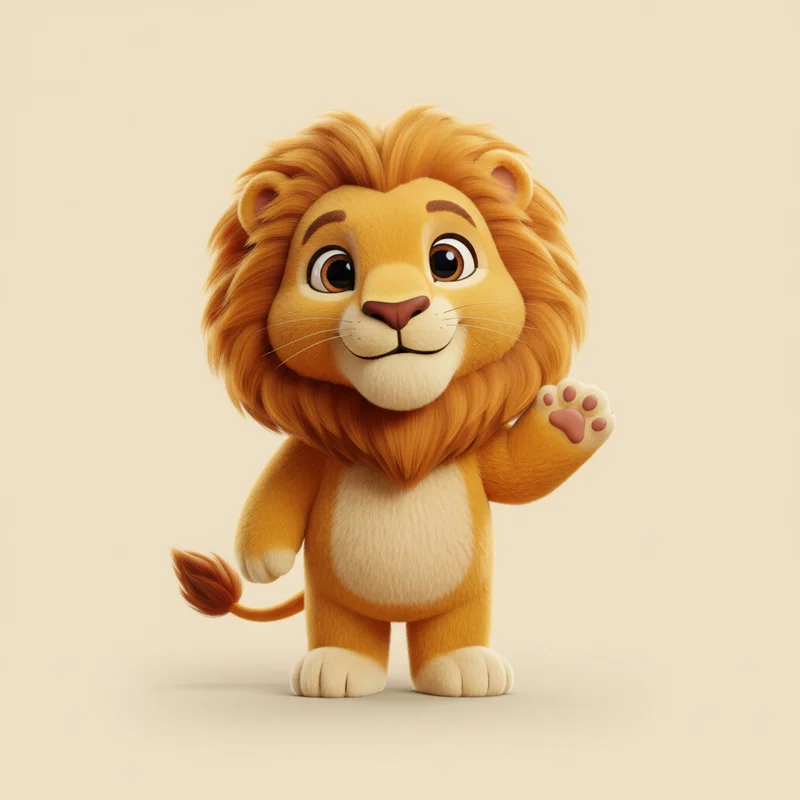
Lions maintain the only truly social structure among felids, living in prides of up to 30 individuals. This social organisation reflects sophisticated cooperative behaviour: females hunt collectively, males defend territory collaboratively, and cubs receive communal care from multiple adults. The pride structure enables resource defence across territories exceeding 250 square kilometres.
However, lion society operates on principles that human resources departments would find challenging. Male lions commit systematic infanticide upon taking over prides, eliminating predecessor offspring to accelerate reproductive opportunities. Female lions tolerate this because evolution prioritises genetic transmission over maternal sentiment. Pride politics make corporate restructuring look positively humane.
VERDICT
Dogs have evolved to participate in human social structures with genuine emotional reciprocity. Lions have evolved to participate in lion social structures that involve occasional cannibalism.