Topic Battle

Where Everything Fights Everything

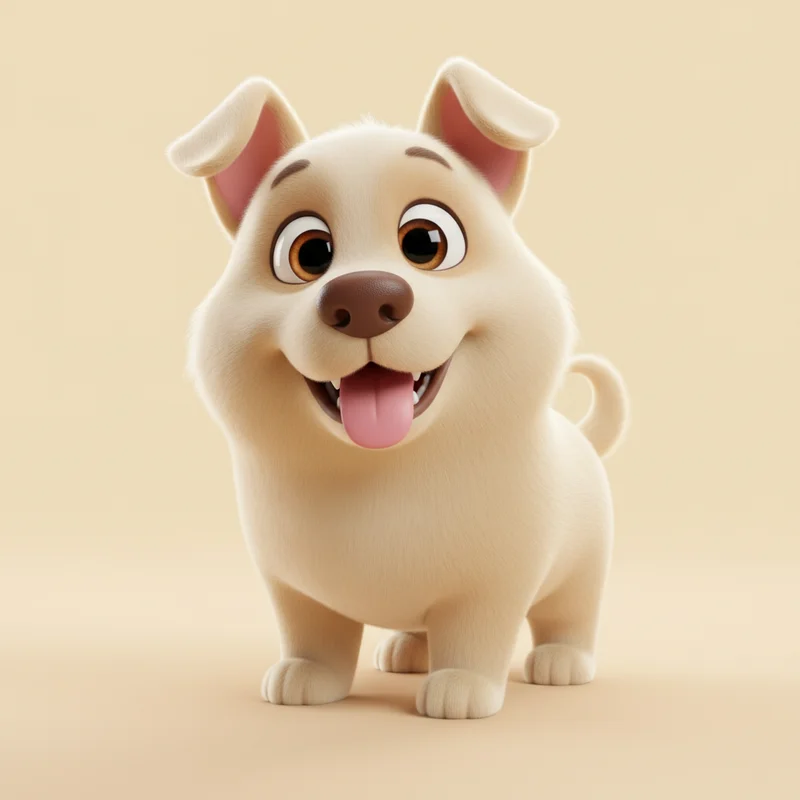
Dog

Dog

Loyal canine companion celebrated for unconditional love, tail wagging, and being humanity's best friend for millennia.

VS
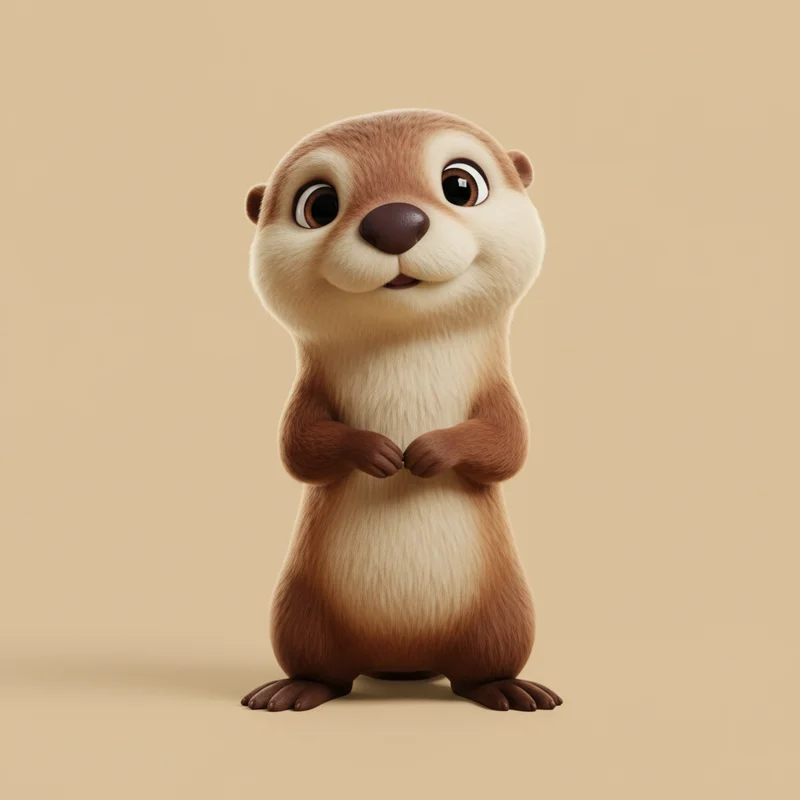
Otter

Otter

Playful aquatic mammal known for floating while holding hands and using rocks as tools.

The Matchup

In the grand theatre of mammalian appeal, few contests generate such passionate division as the comparison between Canis lupus familiaris and the family Mustelidae's aquatic celebrities. 471 million dogs currently reside in human households worldwide, their position secured through 15,000 years of careful evolutionary negotiation. Otters, numbering approximately 13 species across six continents, have achieved fame through an entirely different strategy: being filmed whilst floating on their backs and appearing to hold hands.

The dog represents humanity's most successful biological partnership, a creature literally shaped by millennia of selective breeding to serve human purposes ranging from herding to emotional support. The otter represents what scientists might term charismatic megafauna adjacent, an animal whose internet celebrity vastly exceeds its actual presence in human life. One sleeps at the foot of your bed. The other sleeps in kelp forests, wrapped in seaweed to prevent drifting away, which is objectively one of the most endearing facts in marine biology.

Battle Analysis

Internet appeal Otter Wins
30%
70%
Dog Otter

Dog

Dogs dominate social media through sheer demographic presence. Over 400 million dog-related Instagram accounts exist. Viral dog content spans emotional registers from heartwarming reunions to comedic misadventures. Dogs provide reliable content because they provide reliable behaviour, their expressiveness and responsiveness generating shareable moments with predictable frequency.

Yet this ubiquity creates saturation. Dog content, however charming, competes against an overwhelming supply. The marginal viral potential of any individual dog video has declined as the market approaches what economists might term peak canine content.

Otter

Otters benefit from what media analysts call scarcity-driven appeal. The footage of otters holding hands whilst sleeping, viewed over 50 million times, achieved virality precisely because such content remains rare. Each otter video represents genuine novelty. Their behaviour, unfamiliar to most viewers, generates surprise and delight that domesticated animals cannot replicate.

The otter's breakfast routine, when filmed, becomes fascinating. The dog's breakfast routine, filmed by millions daily, requires exceptional circumstances to achieve notice.

VERDICT

Per capita, otters generate more viral engagement than any mammal of comparable population. Their scarcity creates value that dogs' abundance cannot match in attention economics.

Aquatic capability Otter Wins
30%
70%
Dog Otter

Dog

Certain dog breeds demonstrate genuine aquatic aptitude. Labrador Retrievers possess webbed feet and water-resistant double coats, adaptations that enable sustained swimming. Portuguese Water Dogs historically worked alongside fishermen. The Newfoundland's swimming ability has saved numerous humans from drowning, with documented rescues dating to the 18th century.

Yet the average dog approaches water with reactions ranging from enthusiasm to abject terror. Many breeds sink like furry stones. Even swimming-inclined dogs require regular resurfacing and cannot dive. Their aquatic range, measured against truly marine mammals, remains fundamentally limited.

Otter

The otter represents aquatic perfection among mammals. Sea otters possess the densest fur in the animal kingdom, approximately one million hair follicles per square inch, providing insulation that eliminates the need for blubber. They can hold their breath for up to eight minutes. They dive to depths exceeding 100 metres. They spend up to 90 percent of their lives in water, sleeping, eating, and socialising without ever requiring dry land.

River otters, whilst less exclusively aquatic, still demonstrate swimming capabilities that make even the most water-loving dog appear to be merely enthusiastically splashing.

VERDICT

This category presents no genuine contest. Otters are aquatic mammals; dogs are terrestrial mammals that occasionally get wet. The otter's million-follicle fur density alone represents an evolutionary commitment dogs cannot match.

Ecological importance Otter Wins
30%
70%
Dog Otter

Dog

The domestic dog occupies an ecologically complex position. Feral dog populations threaten native wildlife across multiple continents. Pet dogs generate environmental footprints through food production, waste management, and resource consumption. A UCLA study estimated that American dogs and cats generate the equivalent of 64 million tonnes of CO2 annually through their diet alone.

Working dogs provide ecological services, including conservation detection work, but these represent a small fraction of the total population. Most dogs exist as companions, their ecological role limited to whatever their owners' lifestyle permits.

Otter

Sea otters function as a keystone species whose presence determines ecosystem health across their entire range. By consuming sea urchins, otters enable kelp forest growth, which sequesters carbon, provides habitat for hundreds of species, and protects coastlines from erosion. Studies indicate that kelp forests with healthy otter populations absorb up to twelve times more carbon than forests without otters.

River otters serve as indicator species, their presence signalling clean water and healthy fish populations. The ecological services provided by otters, measured in economic terms, reach billions of dollars annually.

VERDICT

Dogs consume ecological resources. Otters generate them. The keystone species designation represents a categorical advantage in environmental contribution.

Companionship accessibility Dog Wins
70%
30%
Dog Otter

Dog

Dogs represent what economists might term a mature companion animal market. Breeders, shelters, and rescue organisations provide acquisition options across every price point. Veterinary infrastructure exists in virtually every populated area. Dog food lines supermarket aisles. Parks designate dog-specific areas. Society has organised itself around accommodating canine companionship.

Owning a dog requires only standard urban infrastructure: a home with modest outdoor access, a veterinarian within reasonable distance, and the financial capacity to manage routine care. The barriers to entry, whilst not negligible, have been systematically reduced by centuries of integration.

Otter

Otter ownership exists in a legal and ethical grey zone that most jurisdictions have resolved by prohibition. In the United States, UK, and most of Europe, private otter ownership is illegal. Where technically permitted, the requirements prove prohibitive: specialised facilities, licensed veterinary care unavailable in most regions, and dietary needs involving fresh fish at volumes that would strain most household budgets.

Even in the rare cases of legally owned otters, the animals rarely achieve genuine companionship. They remain wild creatures tolerating human presence rather than seeking it, a fundamental difference from domesticated species.

VERDICT

You can acquire a dog this afternoon. Acquiring an otter requires navigating legal frameworks designed specifically to prevent you from doing so. Accessibility determines practical utility.

Intelligence and trainability Dog Wins
70%
30%
Dog Otter

Dog

The domestic dog demonstrates what cognitive scientists describe as exceptional interspecies social intelligence. Dogs can understand approximately 165 words on average, with exceptional individuals comprehending over 1,000. They interpret human pointing gestures, a skill that eludes even our closest primate relatives. Guide dogs navigate complex urban environments. Detection dogs identify diseases with accuracy exceeding medical imaging equipment.

This trainability stems from the dog's fundamental orientation toward human approval. Millennia of selective breeding have produced a creature that experiences genuine psychological distress when disappointing its owner, a trait that enables remarkable feats of obedience and cooperation.

Otter

Otters occupy what researchers term a curious cognitive niche. They demonstrate sophisticated tool use, selecting specific stones for cracking shellfish and often retaining favourite tools in specialised skin pouches. Sea otters have been observed using rocks with precision approaching 10-15 strikes per minute, a rate suggesting genuine motor skill development.

However, otters remain essentially wild animals with priorities that do not include human satisfaction. Training an otter requires patience measured in years and expectations calibrated accordingly. They learn what benefits them, which occasionally aligns with what entertains humans, but this alignment is coincidental rather than intentional.

VERDICT

Dogs evolved specifically to understand and please humans. Otters evolved to crack shellfish. The 15,000-year head start in human-focused cognitive development proves decisive.

👑

The Winner Is

Dog

55 - 45

This analysis reveals a competition between domesticated accessibility and wild magnificence. The dog wins through practical metrics: availability, trainability, and the simple fact that meaningful companionship remains possible. 55 percent of the total score reflects these advantages, the accumulated benefits of 15,000 years of evolution directed specifically toward human partnership.

The otter claims 45 percent through excellence in domains that transcend human convenience: aquatic mastery, ecological importance, and the capacity to generate wonder in a way that familiarity cannot sustain. They are not better companions because they cannot be companions in any meaningful sense. They are better at being otters, which is, in its way, a form of excellence dogs cannot achieve.

The final margin acknowledges a fundamental truth: we choose dogs because they choose us. We admire otters because they remind us that some of nature's finest creations exist entirely without reference to human preference.

Dog
55%
Otter
45%

Share this battle

More Comparisons