Dog
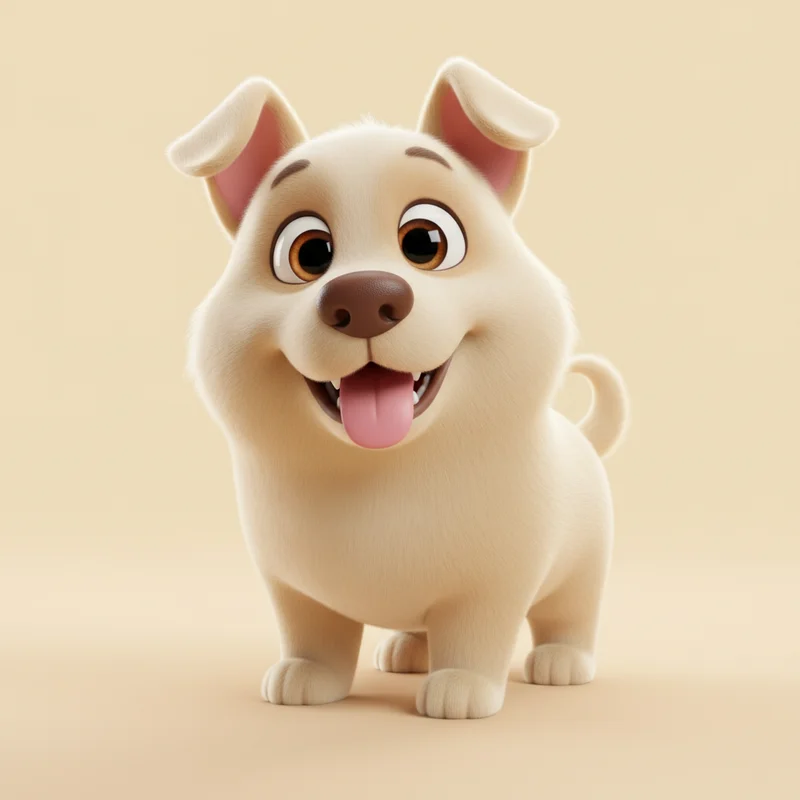
Dogs have evolved specifically to form attachment bonds with humans that neurologically mirror parent-child relationships. When dogs gaze into human eyes, both species experience elevated oxytocin levels—the same hormone responsible for maternal bonding. This represents documented biochemical co-evolution, a mutual adaptation that occurred nowhere else in the animal kingdom with such completeness.
The dog's emotional repertoire includes separation anxiety, jealousy, and what can only be described as joy upon reunion. A dog left alone for eight hours greets its returning owner with enthusiasm that suggests the passage of years rather than a working day. This disproportionate emotional response, whilst perhaps not strictly rational, provides owners with unparalleled validation of their significance.
Parrot
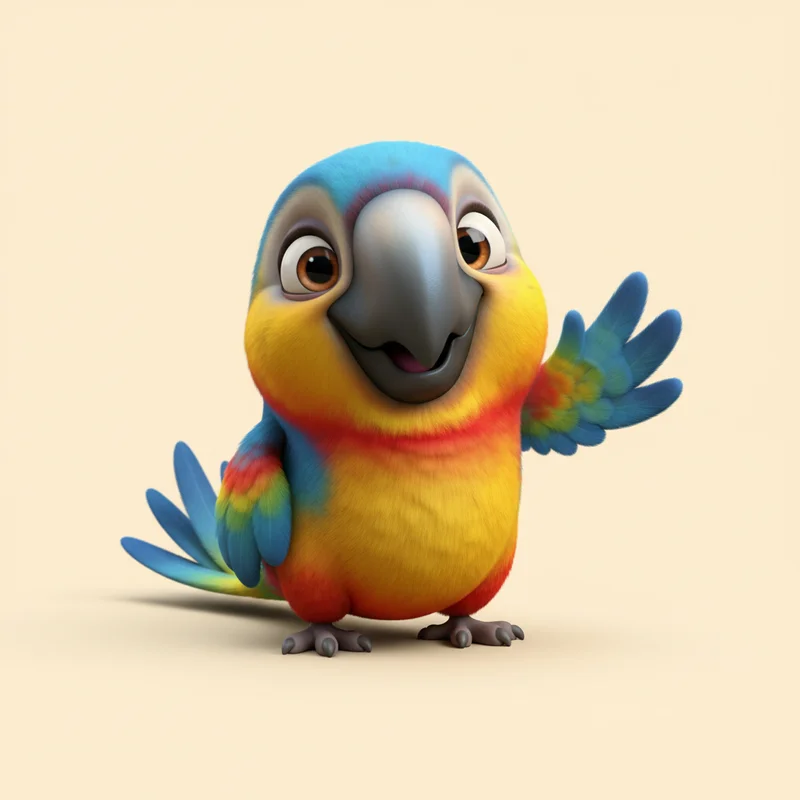
Parrots form bonds of startling intensity, though these bonds operate under different parameters. In the wild, many parrot species mate for life—partnerships spanning 40 to 60 years. When they select a human as their bonded partner, they apply identical commitment. This can manifest as exclusive attention, distress during absence, and aggressive behaviour toward perceived romantic rivals, including the owner's actual spouse.
However, parrot bonding follows avian rather than mammalian patterns. Physical affection occurs through mutual preening rather than cuddling. The parrot sits upon your shoulder rather than your lap. The emotional connection is genuine but expressed through behaviours that mammals may find somewhat clinical by comparison.
VERDICT
Dogs evolved specifically to bond with humans through touch, proximity, and shared emotional states. Parrots adapted their pair-bonding instincts to human targets but retain fundamentally avian expressions of affection. The dog's mammalian approach to bonding aligns more naturally with human emotional expectations.